10 Foods to Avoid for Better Kidney Health and Function
10 Foods to Avoid with Kidney Disease
Managing kidney disease can be challenging, and understanding how diet influences your kidney health is crucial. With kidney disease on the rise, it’s essential to identify the 10 foods to avoid with kidney disease. Over 35 million Americans are currently living with chronic kidney disease, and making informed dietary choices can significantly impact their quality of life. This article sheds light on foods that may harm renal function and offers insights on how to modify your diet effectively.
The Worst Foods for Kidney Health
The kidneys serve several critical functions, including waste filtration and fluid balance. However, certain foods can exacerbate kidney issues. Below, we dive deeper into the worst foods for kidney health that you should align your diet away from to support optimal kidney function.
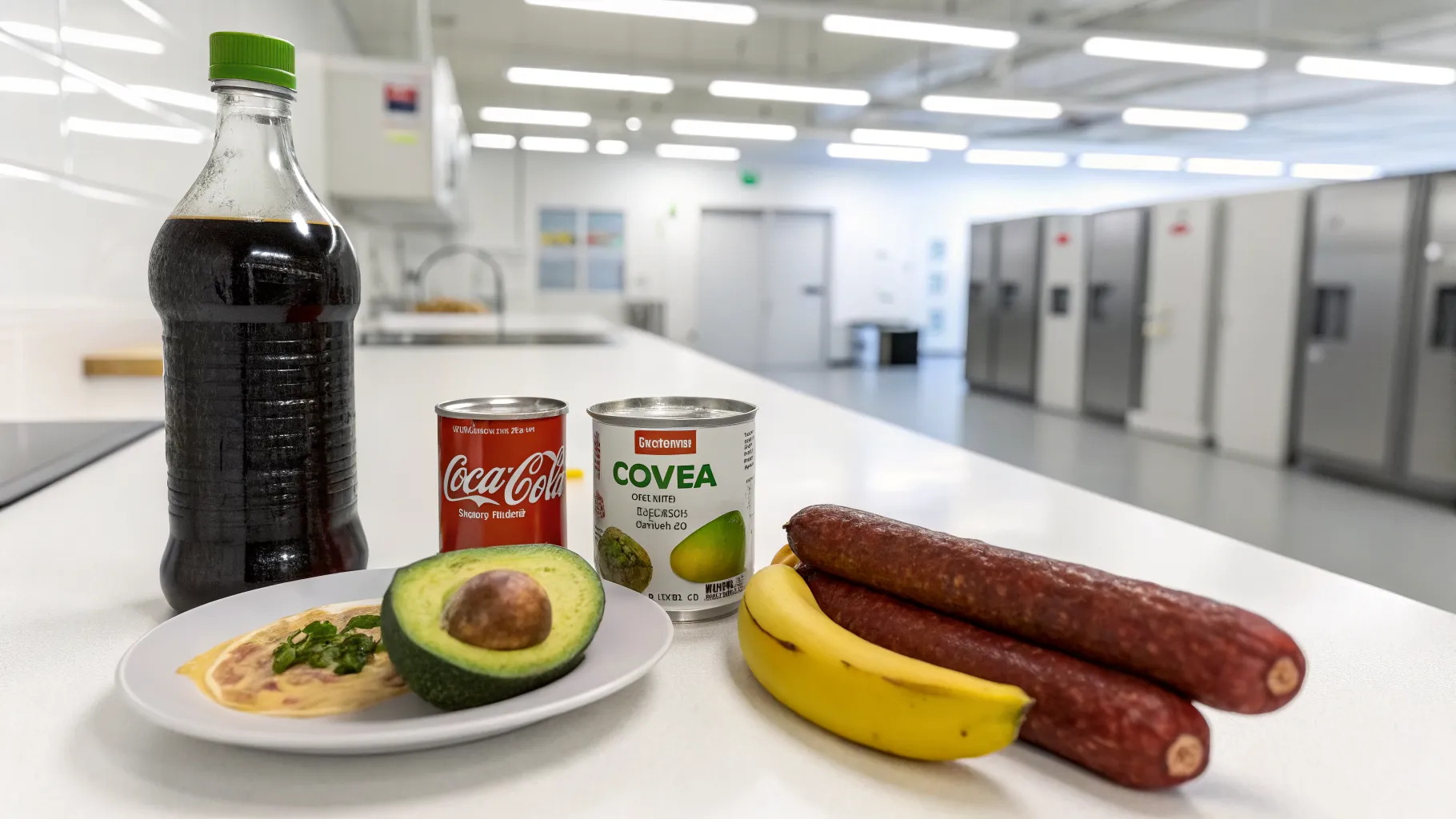
- Processed Foods: Typically high in sodium and preservatives, processed foods can place a significant burden on the kidneys. Examples include frozen meals, deli meats, and packaged snacks. Recent studies have shown that a diet rich in processed foods correlates with a faster decline in kidney function.
- High-Potassium Foods: Foods high in potassium, like bananas, avocados, and sweet potatoes, can be harmful for those with kidney disease, as their bodies struggle to eliminate excess potassium. In recent months, healthcare professionals have noticed an increased incidence of heart complications stemming from uncontrolled potassium levels among kidney patients.
- High-Phosphorus Foods: Cheese, nuts, and certain grains can elevate phosphorus levels in the bloodstream. High phosphorus can lead to severe complications, including bone disease, particularly in patients with decreased kidney function. Recent reports indicate that phosphorus levels are a significant concern, with many patients unaware that their diets are contributing factors.
- Excess Salt: High sodium consumption can contribute to hypertension, putting additional stress on the kidneys. Processed meats, canned soups, and pickled items often contain excessive salt. A growing trend among kidney disease patients is looking for low-sodium alternatives to improve dietary habits.
- Sugary Beverages: Sodas and sweetened juices are loaded with sugar and fructose, which can lead to weight gain and increased risk for kidney dysfunction. Recent research has shown a clear link between high sugar consumption and the progression of kidney disease. Maintaining sodium and sugar intake is essential.
- Red Meat: Regular consumption of red meat can heighten the risk of kidney decline due to its high protein and purine content. Lean poultry or plant-based proteins serve as healthier alternatives, allowing kidney patients to meet their protein needs without overwhelming their kidneys.
- Pickled and Fermented Foods: Items like pickles and sauerkraut often contain high levels of sodium, which can be detrimental for those managing kidney disease. With awareness increasing, many patients are switching to fresh vegetables for snacks and meals.
- Whole Wheat Bread and Pasta: While whole grains are generally considered healthy, they can be high in phosphorus and potassium. Many kidney patients have found success switching to lower-phosphorus options like white rice or gluten-free alternatives.
- Trans Fats: Found in many fried foods and baked goods, trans fats are linked to increased inflammation and risks of heart disease. These fats indirectly affect kidney health, leading many to prefer healthier fats like olive oil and avocados.
- Chocolate: This treat can be high in both potassium and phosphorus, making it a poor snack choice for individuals with kidney impairment. Health-conscious and informed kidney patients are now exploring dairy-free chocolate alternatives.
Dietary needs will vary based on an individual's stage of kidney disease, so understanding what foods to avoid is crucial. Consulting with a healthcare provider or a registered dietitian can provide beneficial, personalized guidance for maintaining kidney function.
Diet Restrictions for Kidney Disease Patients
For those managing kidney disease, the dietary landscape is challenging, but there are viable options to consider. Here are essential dietary guidelines to follow for kidney health:
- Monitor Protein Intake: Kidney disease often requires an adjustment in protein consumption. High-quality protein sources like fish and eggs can be included in moderation. In advanced kidney scenarios, reduced protein intake may be mandated, focusing on maintaining muscle health without straining kidneys.
- Hydration Management: Staying hydrated is vital, but for individuals in advanced stages, limiting fluid intake may be necessary. Tracking liquid intake ensures patients keep fluid retention in check while meeting hydration needs.
- Low-Potassium Choices: It is crucial to choose fruits and vegetables moderate in potassium, such as apples, berries, and cauliflower. These options allow for nutrient intake without the risks associated with high potassium levels.
- Low-Phosphorus Alternatives: Swapping high-phosphorus foods with lower-phosphorus options, like white rice or corn tortillas, enables kidneys to function better while providing necessary energy.
- Sodium Awareness: Reducing sodium intake is fundamental to supporting kidney health. By cooking at home, patients can manage their salt intake and make better dietary choices that will enhance overall well-being.
Adhering to dietary guidelines can seem overwhelming at times, but they are vital for effectively managing kidney disease. Collaborating with healthcare professionals to create personalized meal plans enables kidney patients to enjoy flavorful foods while prioritizing their health. With knowledge about what not to eat with kidney disease, individuals can empower themselves and maintain kidney function, ultimately improving their quality of life.
In a world where dietary choices can profoundly affect one's health, understanding how to navigate kidney disease through food is crucial. This understanding can lead to better health outcomes, reinforcing that even small dietary adjustments can yield substantial benefits in the ongoing journey of managing kidney disease.