10 Foods That Support Bone Strength: Your Ultimate Guide
Fast Facts:
- Key Nutrients: Calcium and Vitamin D are the cornerstones of bone health.
- For adults, especially those over 50, focusing on bone density is crucial for preventing fractures.
Building Your Body's Framework: A Guide to Bone-Boosting Foods
Maintaining skeletal health is a lifelong endeavor, and nutrition plays a pivotal role. Adopting a consistent bone strengthening diet is one of the most effective strategies to build and preserve bone mass, reducing the risk of conditions like osteoporosis later in life. This guide will explore the essential nutrients your skeleton craves and highlight the best foods for strong bones to incorporate into your daily meals, forming the foundation of your long-term health strategy.
The Top 10 Foods for Optimal Bone Health
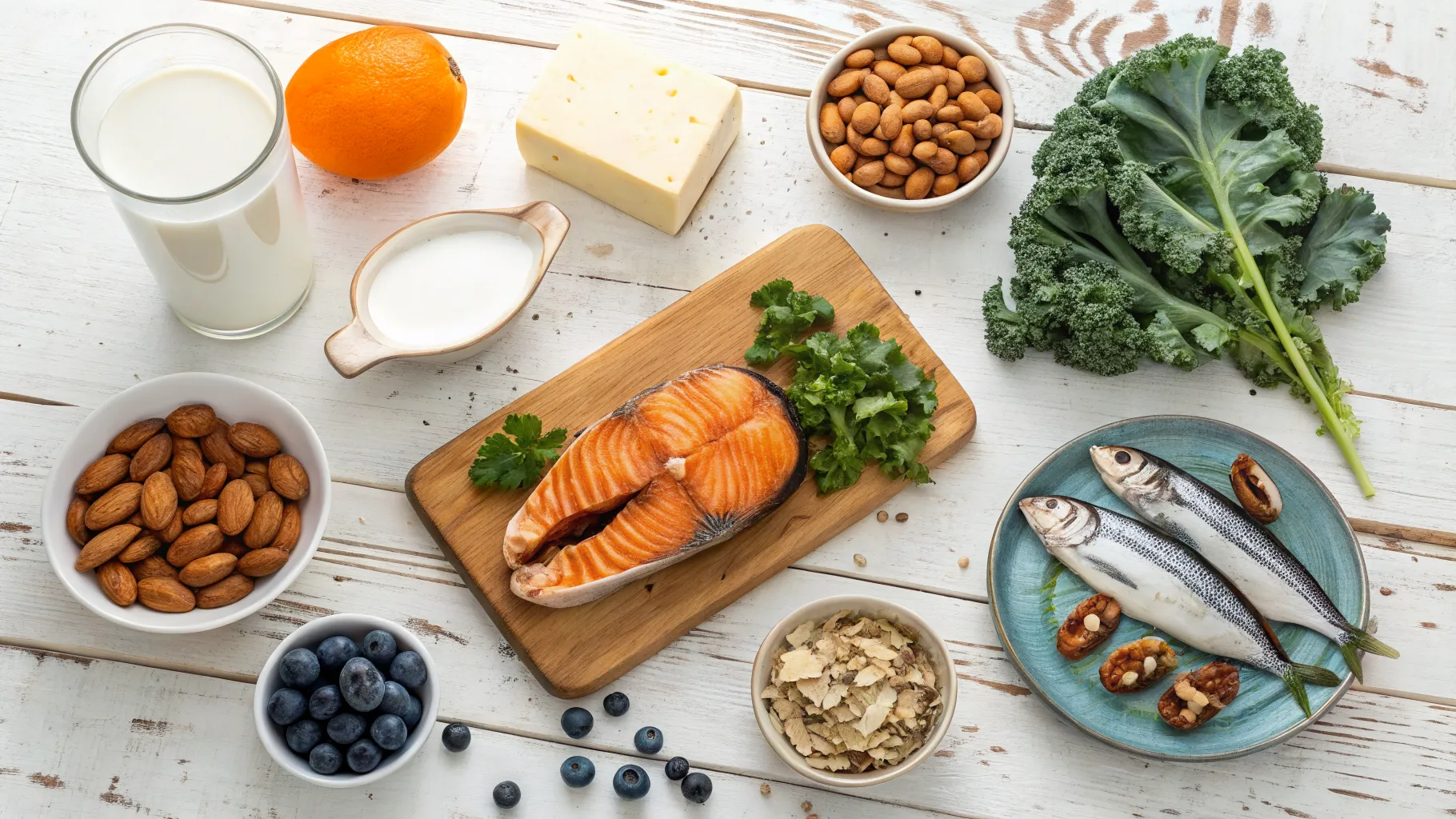
Integrating a variety of nutrient-dense foods is key to achieving optimal strong bones nutrition. Below are the top 10 foods for bone strength that you should consider adding to your grocery list.
1. Dairy Products (Milk, Yogurt, Cheese)
Dairy is the most well-known source of calcium, the primary mineral in your bones. A single cup of milk or yogurt can provide about 30% of your daily calcium needs. Look for products fortified with Vitamin D to enhance calcium absorption.
2. Leafy Greens
Don't overlook greens like kale, collard greens, and spinach. They are packed with calcium, magnesium, and Vitamin K, which is essential for bone formation. While spinach contains oxalates that can interfere with calcium absorption, it's still a valuable addition to a varied diet.
3. Fatty Fish
Salmon, sardines, and mackerel are excellent sources of Vitamin D, a nutrient that is hard to find in food but is critical for helping your body use calcium. The omega-3 fatty acids in these fish may also support bone health.
4. Fortified Foods
Many common foods are fortified with calcium and Vitamin D. This includes certain cereals, plant-based milks (soy, almond), and orange juice. Checking the nutrition label can help you find these bone-boosting options.
5. Tofu and Edamame
Soy-based products like tofu are a fantastic plant-based source of calcium, especially for those following a vegan or dairy-free diet. A half-cup of calcium-set tofu can provide a significant portion of your daily requirement.
6. Nuts and Seeds
Almonds, chia seeds, and sesame seeds offer more than just healthy fats and protein. They contain calcium, magnesium, and phosphorus—all important minerals for bone structure. A small handful makes for a powerful, bone-supporting snack.
7. Eggs
While the calcium is in the shell, the yolk of an egg is a great source of Vitamin D and protein. Including whole eggs in your diet contributes to the overall nutrient profile needed for strong bones.
8. Legumes
Beans and lentils provide a good amount of calcium, magnesium, and phosphorus. Black beans, pinto beans, and chickpeas are versatile ingredients that can easily be added to soups, salads, and main dishes.
9. Prunes
Emerging research suggests that eating prunes (dried plums) regularly may help to slow bone loss, particularly in postmenopausal women. They contain vitamins and minerals, such as Vitamin K and potassium, that support bone health.
10. Lean Protein
Protein makes up about 50% of bone volume. Sources like lean meats, poultry, and fish provide the amino acids necessary to build and maintain a strong bone matrix. Ensuring adequate protein intake is a crucial part of your diet.
Actionable Tips for a Bone-Healthy Diet
Building a diet that supports your bones doesn't have to be complicated. Here are some simple ways to incorporate this bone health foods list into your routine.
- Start your day with a fortified cereal or a yogurt parfait layered with nuts and seeds.
- Aim to include a serving of leafy greens in at least two meals per day, such as in a salad or a smoothie.
- Plan to have fatty fish like salmon at least twice a week for a natural Vitamin D boost.
- Read labels on products like orange juice and plant-based milks to choose options fortified with calcium and Vitamin D.
- Snack on a handful of almonds or a few prunes instead of processed snacks.
Frequently Asked Questions
How much calcium do I need daily?
Most adults need 1,000 mg of calcium per day. This increases to 1,200 mg for women over 50 and men over 70. It's best to get calcium from food sources first.
Can I get enough Vitamin D from food alone?
It's challenging to get enough Vitamin D from diet alone. Sunlight exposure is the primary source. However, fatty fish and fortified foods help contribute to your daily needs. Some people may require a supplement, especially in winter months.
Are there foods that are bad for bone health?
Diets very high in sodium can cause calcium loss from bones. Excessive alcohol consumption and high intake of sugary sodas have also been linked to lower bone density.
References
- National Institute of Arthritis and Musculoskeletal and Skin Diseases
- Bone Health & Osteoporosis Foundation
- International Osteoporosis Foundation