10 Foods That May Support Eye Health: Nutrients for Healthy Vision
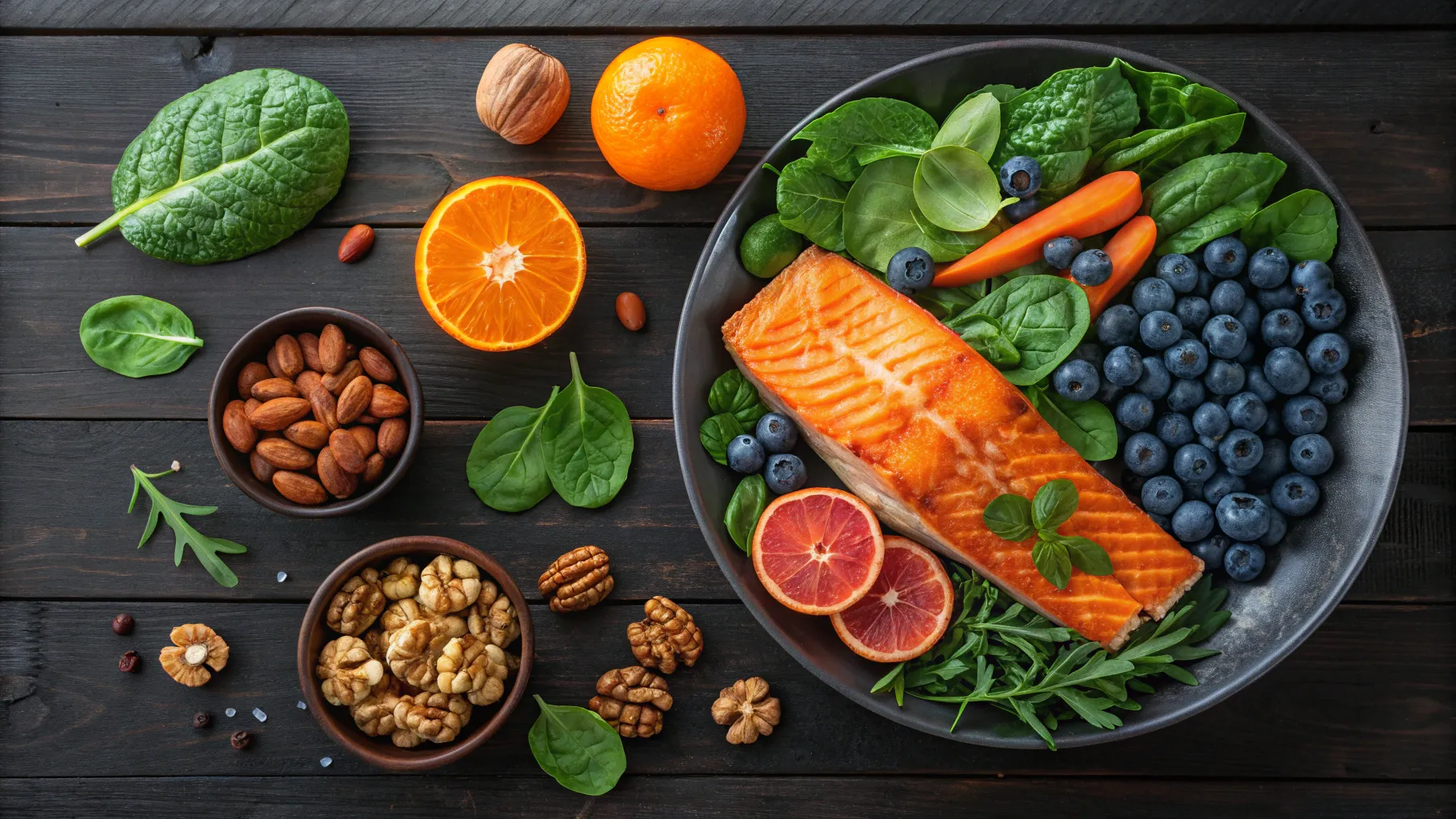
Maintaining healthy eyesight involves more than just regular check-ups; your diet plays a crucial role. A balanced diet rich in specific vitamins and minerals can help protect your eyes from age-related damage and preserve your vision for years to come. Understanding 10 foods that may support eye health is a great first step toward proactive eye care. This guide explores essential nutrients and highlights the top foods to incorporate into your meals.
The Key Nutrients for Healthy Vision
Before diving into the list, it's important to know which nutrients are most beneficial for your eyes. Key players include antioxidants like lutein and zeaxanthin, vitamins C, E, and A (as beta-carotene), omega-3 fatty acids, and zinc. These compounds help protect the delicate cells in your eyes from damage caused by unstable molecules called free radicals and can reduce the risk of developing certain eye conditions. Exploring these 10 foods with vitamins for eyes will provide a practical way to boost your intake.
1. Fish Rich in Omega-3s
Oily fish like salmon, tuna, mackerel, and trout are packed with omega-3 fatty acids, particularly DHA, which is a major structural component of the retina. Consuming omega-3s can help with eye development and may help prevent dry eyes.
- Salmon: A popular choice for its high DHA content.
- Tuna: Easily accessible and a great source of omega-3s.
- Sardines: Small fish that are big on nutrients for your eyes.
2. Leafy Green Vegetables
When considering 10 foods for eyesight support, leafy greens like spinach, kale, and collard greens should be at the top of your list. They are excellent sources of lutein and zeaxanthin, antioxidants that are stored in the macula part of the retina. These nutrients help filter harmful high-energy blue wavelengths of light and protect the eye.
3. Carrots and Other Orange-Colored Foods
Carrots are famously linked to eye health for a good reason. They are rich in beta-carotene, a type of vitamin A that helps the retina convert light into the signals sent to the brain. Vitamin A is also essential for preventing dry eyes and night blindness. Sweet potatoes and cantaloupe are other fantastic sources of beta-carotene.
4. Eggs
Eggs are a nutritional powerhouse for eye health. The yolk contains vitamin A, lutein, zeaxanthin, and zinc. This combination of nutrients is highly effective in protecting the cornea and reducing the risk of serious age-related sight loss. The body is also able to absorb the antioxidants from eggs more easily than from other plant sources.
5. Citrus Fruits and Berries
Oranges, grapefruits, lemons, and berries are loaded with vitamin C. As a powerful antioxidant, vitamin C contributes to the health of blood vessels in the eyes. It can combat the development of cataracts and, when combined with other essential nutrients, can slow the progression of age-related macular degeneration (AMD). These are vital inclusions in a list of 10 foods that support eye health.
6. Nuts, Legumes, and Seeds
Nuts and seeds are excellent sources of vitamin E, another potent antioxidant that helps protect the cells in the eyes from oxidative damage. Walnuts also contain omega-3 fatty acids, making them a dual-threat for eye protection. Including almonds, sunflower seeds, or peanuts in your diet is a simple way to boost your vitamin E intake.
References:
www.aao.org/eye-health/tips-prevention/food-and-your-eyes
www.nei.nih.gov/learn-about-eye-health/eye-health-and-nutrition/food-and-your-eyes
www.health.harvard.edu/staying-healthy/top-foods-to-help-protect-your-vision