10 Foods That Help Support Your Bones
Strong bones provide the fundamental structure for our bodies, protect our organs, and anchor our muscles. While we often think about bone health later in life, building a strong foundation begins much earlier. A balanced diet rich in specific nutrients is one of the most effective ways to support your skeletal system throughout your life. Incorporating a variety of bone-friendly foods can supply the building blocks your body needs.
Dairy Products
Dairy products like milk, yogurt, and cheese are famously rich in calcium, the primary mineral found in your bones. Consuming enough calcium is essential for achieving and maintaining optimal bone density. A single cup of milk or yogurt can provide a significant portion of the daily recommended intake, making it an easy and accessible choice for many.
When selecting dairy, consider options fortified with vitamin D, as this vitamin is crucial for your body to absorb calcium effectively. Plain yogurt, particularly Greek yogurt, not only offers calcium but also provides a good amount of protein, another important component for a healthy bone structure. Cheese is also a concentrated source of calcium, but it's best consumed in moderation as part of a balanced diet.
Dark Leafy Greens
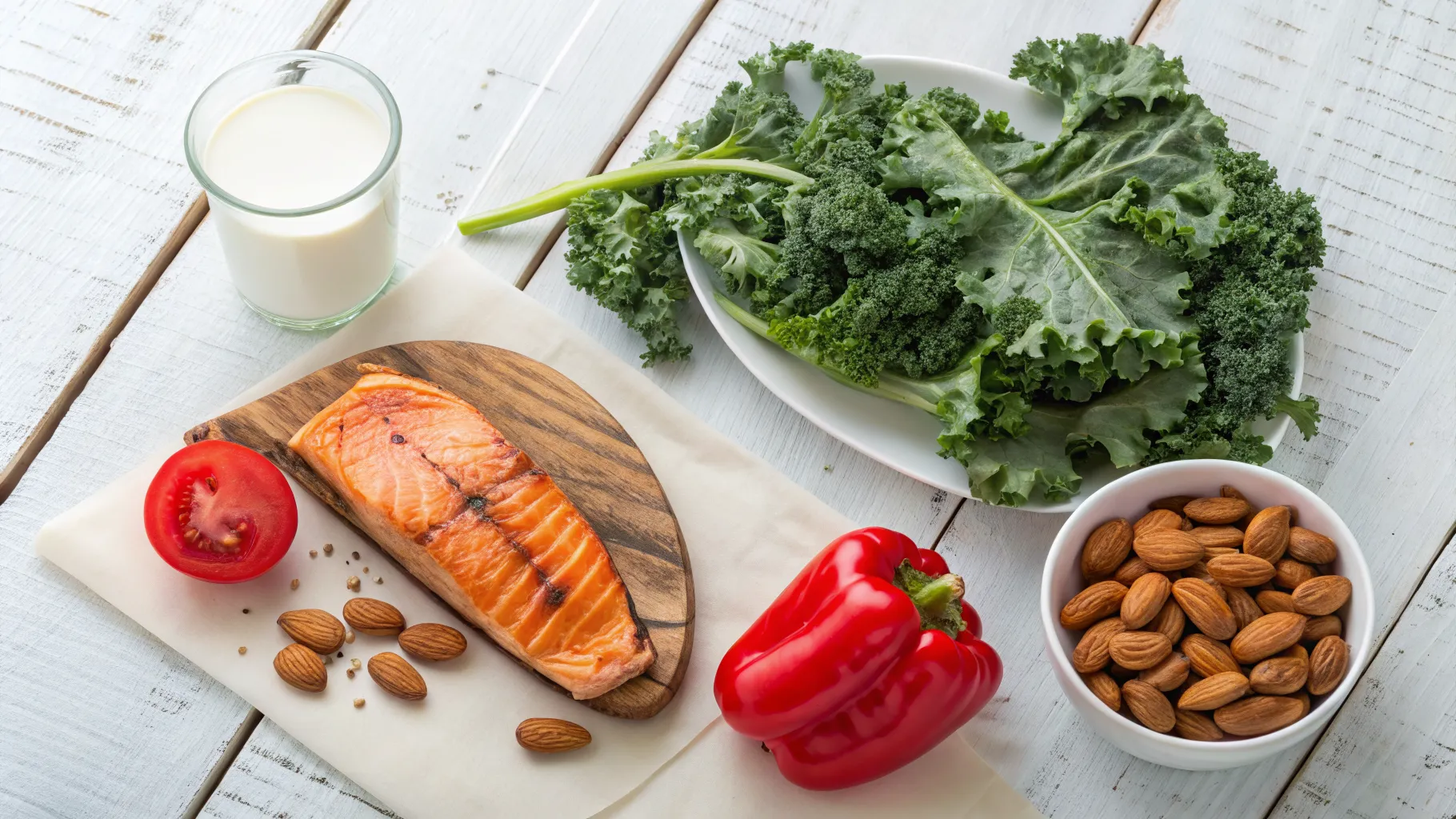
Dark leafy greens are nutritional powerhouses that offer more than just vitamins. Vegetables like kale, collard greens, and bok choy are excellent plant-based sources of calcium. They also contain vitamin K, which works alongside vitamin D to help regulate calcium in the body and plays a role in bone mineralization.
While spinach is also a leafy green rich in calcium, it contains oxalates, which can interfere with calcium absorption. While it's still a healthy food, it's wise to include a variety of other greens in your diet to ensure you're getting readily available calcium. Lightly steaming or sautéing greens like kale can make their nutrients even more accessible.
Fatty Fish
Fatty fish such as salmon, mackerel, and sardines are some of the best natural sources of vitamin D. This vitamin is vital because it helps the small intestine absorb calcium from the food you eat. Without enough vitamin D, your body cannot effectively use the calcium you consume, no matter how much you get.
In addition to vitamin D, these fish provide high-quality protein and omega-3 fatty acids. Some research suggests that omega-3s may also contribute to bone health by supporting the body's bone-building cells. Canned salmon and sardines with the bones are particularly beneficial, as the soft, edible bones provide an extra boost of calcium.
Fortified Foods and Drinks
For those who don't consume dairy or have other dietary restrictions, fortified foods can be an excellent way to get necessary bone-supporting nutrients. Many common products are enriched with calcium and vitamin D to help people meet their daily requirements. These can be easily integrated into your daily meals.
Examples of fortified products include:
- Orange juice
- Breakfast cereals
- Plant-based milks (soy, almond, oat)
- Tofu
Always check the nutrition label to confirm that a product has been fortified and to see how much calcium and vitamin D it contains per serving. This makes it easier to track your intake and ensure you're meeting your nutritional goals for bone health.
Nuts and Seeds
Nuts and seeds are small but mighty when it comes to nutrition for your bones. Almonds, for example, are a good source of calcium, magnesium, and protein. Magnesium is another key mineral that plays a structural role in bone and helps regulate calcium and vitamin D levels. A handful of almonds makes for a convenient and healthy snack.
Seeds are also packed with important nutrients. Chia seeds, sesame seeds, and poppy seeds contain calcium, phosphorus, and magnesium. Phosphorus is a major component of bone, working closely with calcium to build strength. You can easily sprinkle these seeds over salads, yogurt, or oatmeal to enhance their nutritional value.
Beans and Legumes
Beans and legumes are versatile, plant-based sources of several minerals important for bone health. White beans, black-eyed peas, and soybeans (including tofu and edamame) offer a good amount of calcium and magnesium. They are also rich in protein and fiber, making them a filling and nutritious addition to any meal.
Incorporating beans into your diet is simple. They can be added to soups, stews, salads, and chilis. Tofu, made from soybeans, is particularly notable as it is often fortified with calcium sulfate, making it an excellent source of the mineral. Replacing some meat-based meals with bean-based ones can contribute to a well-rounded, bone-friendly diet.
Prunes
Prunes, or dried plums, may be a surprising addition to this list, but research suggests they can be very beneficial for bone health. Studies have indicated that regular consumption of prunes may help prevent the loss of bone mineral density, particularly in postmenopausal women. This effect is attributed to their rich content of vitamins and minerals, including vitamin K and potassium.
The antioxidants in prunes may also play a role by reducing inflammation and oxidative stress, which can negatively impact bone health. Adding just a few prunes to your daily routine, whether as a snack or mixed into cereal or yogurt, could be a simple way to support your skeletal system.
Bell Peppers
Vitamin C is essential for the production of collagen, a protein that forms the primary framework of your bones. A deficiency in vitamin C can lead to improperly formed collagen and weaker bones. While citrus fruits are famous for their vitamin C content, bell peppers are another outstanding source.
Red bell peppers, in particular, contain a high concentration of vitamin C. Yellow and orange varieties are also excellent choices. Including bell peppers in your diet, whether raw in salads or cooked in stir-fries, helps ensure your body has the necessary components to build and maintain a strong collagen matrix in your bones.
Eggs
Eggs are an affordable and widely available source of high-quality protein and several important vitamins. While the egg white contains most of the protein, the yolk is where you'll find other valuable nutrients, including vitamin D. Although the amount is modest, it contributes to your overall daily intake.
Because they are so versatile, eggs are easy to incorporate into any meal of the day. A simple scrambled egg breakfast or a hard-boiled egg as a snack can provide a helpful dose of protein and vitamin D, both of which are partners in supporting strong and healthy bones.
Lean Protein Sources
While calcium and vitamin D often get the spotlight, protein is equally vital for bone health. About half of your bone structure is made of protein, primarily collagen. A diet that is too low in protein can impair calcium absorption and affect the rate of bone formation and breakdown. Lean protein sources are an excellent choice for supporting this framework.
Sources like chicken breast, lean cuts of meat, and fish provide the amino acids necessary to build and repair body tissues, including bone. For those following a plant-based diet, options like lentils, quinoa, and tofu are great protein-rich alternatives that contribute to overall skeletal integrity.