10 Foods That Support Liver Health for Optimal Wellness
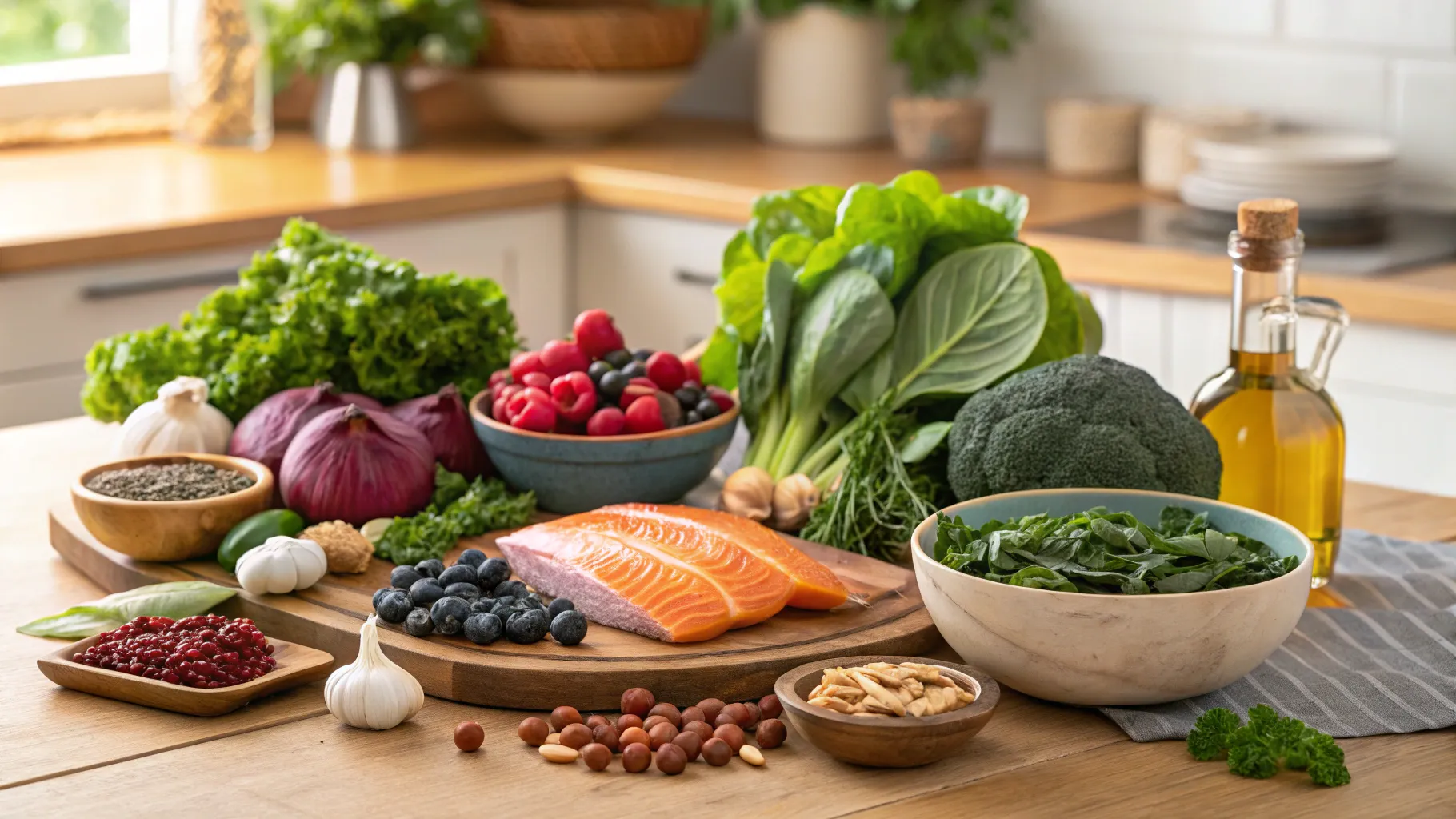
Exploring 10 Foods That Support Liver Health Naturally
The liver is the body's power center for detoxification, nutrient metabolism, and essential protein production. As more people seek natural ways to enhance liver health through diet in 2025, understanding what foods can support this vital organ has never been more important. Incorporating a diverse range of foods can profoundly impact liver function, helping to maintain optimal health. Here are 10 foods that support liver health that you should consider adding to your daily meals.
Liver-Friendly Diet Essentials
- Leafy Greens
- Cruciferous Vegetables
- Garlic
- Berries
- Beets
- Fatty Fish
- Olive Oil
- Turmeric
- Green Tea
- Nuts
1. Leafy Greens
Leafy greens, including kale, spinach, and Swiss chard, are nutritional powerhouses packed with chlorophyll. This pigment aids in detoxifying the body, particularly harmful substances in the bloodstream. A notable study from early 2025 indicated that individuals who consumed generous amounts of leafy greens saw remarkable improvements in their liver enzyme levels. Moreover, integrating these greens into your diet can also boost your overall nutrient intake, providing vitamins A, C, and K.
2. Cruciferous Vegetables
Cruciferous vegetables like broccoli, cauliflower, and Brussels sprouts are rich in sulfur-containing compounds which significantly enhance liver detoxification processes. They stimulate the production of detoxifying enzymes and can even lower the risk of non-alcoholic fatty liver disease by as much as 30%, according to recent dietary studies. Including these versatile vegetables in your salads or stir-fries helps promote vibrant health and reduces toxin accumulation.
3. Garlic
Garlic isn't just a culinary staple; it's also a potent liver ally! Known for its rich sulfur content, garlic assists in detoxification while providing numerous health benefits. A recent trend revealed that those who indulge in garlic regularly have significantly improved liver health metrics. This can lead to lower levels of fatty liver, making garlic a wonderful addition to your health regimen.
4. Berries
Blueberries, raspberries, and strawberries are not only delicious but also incredibly beneficial for liver health due to their high antioxidant content. The anthocyanins found in these berries are particularly effective at protecting the liver from damage, as highlighted by recent animal trials. By adding berries to your breakfast or enjoying them as a snack, you can help combat oxidative stress and promote liver function.
5. Beets
Beets are vibrant, nutrient-rich vegetables that support liver detoxification thanks to their high betalain content, which reduces inflammation and improves liver function. Recent clinical trials conducted in late 2024 reported that regular consumption of beets led to significant improvements in liver enzyme levels, establishing beets as a valuable inclusion in a liver-friendly diet. You can enjoy beets roasted, juiced, or in salads for a nutritious boost.
6. Fatty Fish
Fatty fish such as salmon, mackerel, and sardines are excellent sources of omega-3 fatty acids, which have been shown to reduce liver fat and promote overall liver health. A recent dietary survey revealed that populations consuming fatty fish at least twice a week reported lower incidences of liver disease, underscoring the importance of including these fish in your meals. Try grilling them or incorporating them into hearty salads for a delectable and liver-friendly dinner solution.
7. Olive Oil
Extra virgin olive oil is a renowned staple of the Mediterranean diet, offering numerous health benefits, particularly for the liver. Rich in antioxidants and healthy fats, olive oil can reduce liver fat levels while protecting against oxidative stress. A compelling study in 2025 demonstrated that individuals who included olive oil in their daily diet experienced reduced liver fat, reinforcing its status as a leading dietary fat choice.
8. Turmeric
Turmeric, celebrated for its vibrant golden hue, contains curcumin, a compound known for its anti-inflammatory and antioxidant properties. Research indicates that turmeric can enhance liver function and further reduce inflammation within the liver. A simple way to incorporate turmeric into your diet is by adding it to soups, curries, or even golden milk lattes, providing both flavor and health benefits in every sip.
9. Green Tea
Green tea has garnered attention for its wealth of antioxidants known as catechins, which are particularly beneficial for liver health. Studies conducted recently have shown that individuals who consume green tea regularly experience lower levels of liver enzymes associated with damage. As an easy-to-drink beverage, green tea can be a refreshing way to support your liver while enjoying its rich, earthy flavor.
10. Nuts
Nuts, particularly walnuts and almonds, are rich in healthy fats, vitamins, and antioxidants vital to liver health. They provide protein that has been shown to help reduce liver inflammation. Exciting findings from a nutritional study in early 2025 revealed that consuming a handful of nuts each day significantly improves liver function markers. Consider snacking on a variety of nuts throughout the day or adding them to yogurts or salads for a tasty crunch.
Incorporating these 10 foods that support liver health into your daily meals can drastically enhance your liver wellness. Prioritize a balanced diet rich in whole foods while minimizing processed items, sugars, and unhealthy fats. By merging a liver-friendly diet with an active lifestyle, you pave the way for lasting liver health and overall well-being, ensuring your body remains in optimal condition.