10 Key Foods to Support Bone Health with Osteoporosis
Living with osteoporosis means paying close attention to bone health, and nutrition is a fundamental piece of that puzzle. A well-balanced diet rich in specific vitamins and minerals can help support bone density and strength. While dietary changes are not a substitute for medical treatment, they are a crucial component of a comprehensive management plan advised by healthcare professionals. Understanding which foods offer the most benefits can empower you to make supportive choices for your body.
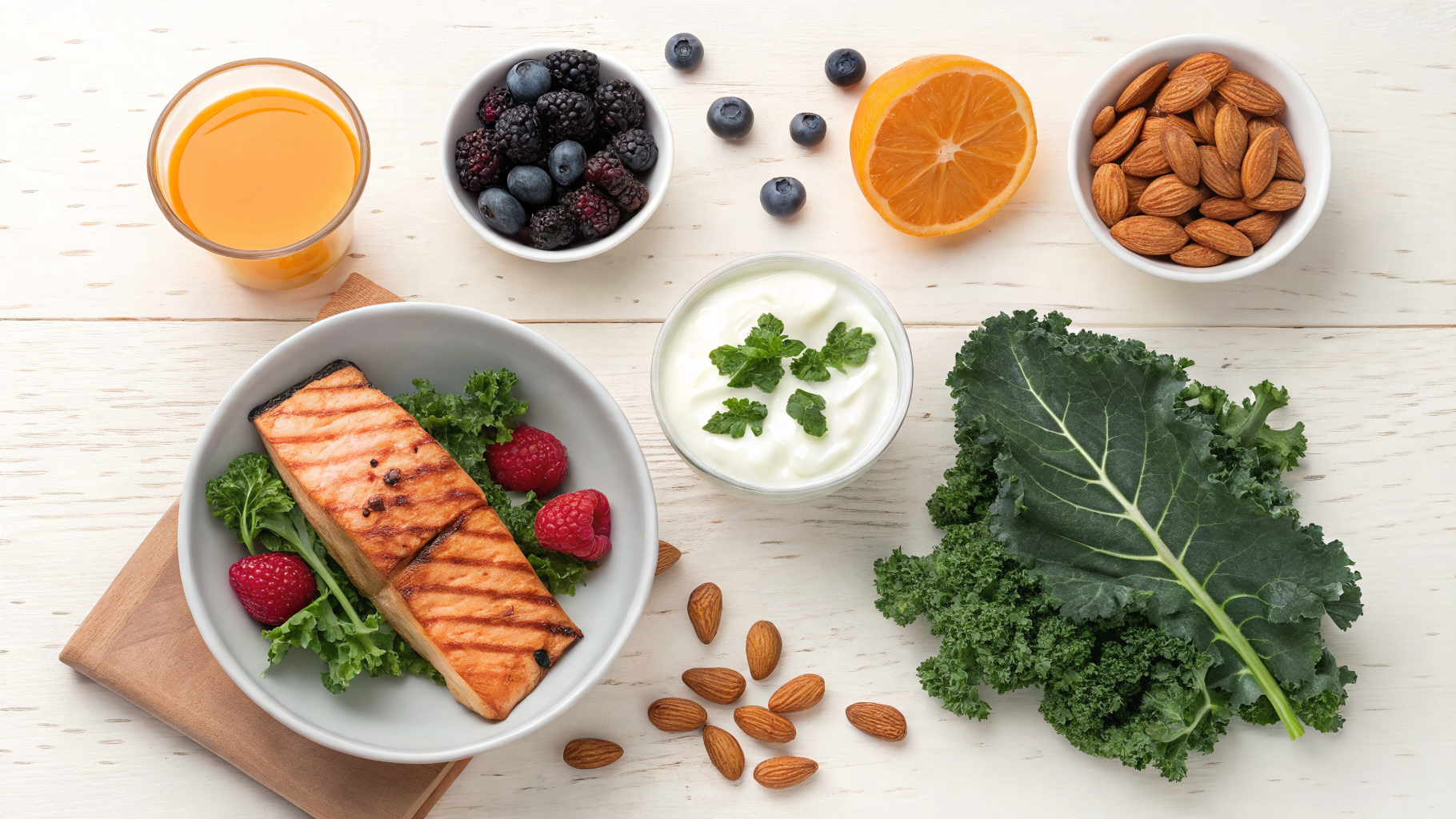
Dairy Products: The Calcium Powerhouses
When people think of bone health, dairy products like milk, yogurt, and cheese often come to mind first, and for good reason. They are among the most concentrated sources of dietary calcium, the primary mineral that makes up your bones. Consuming enough calcium is essential for maintaining bone density and slowing the rate of bone loss that occurs with osteoporosis. Many dairy products are also fortified with vitamin D, which is critical for your body to be able to absorb and use calcium effectively.
When choosing dairy, consider options that fit your overall dietary needs. Low-fat or non-fat versions of milk and yogurt provide the same amount of calcium with fewer calories and less saturated fat. Greek yogurt is an excellent choice as it packs a higher protein punch, and protein is another important building block for strong bones. For those with lactose intolerance, lactose-free dairy products are widely available and offer the same nutritional benefits.
Leafy Green Vegetables
Dairy isn't the only source of calcium. Dark, leafy green vegetables are nutritional superstars that contribute significantly to bone health. Collard greens, kale, and turnip greens are packed with calcium and vitamin K. Vitamin K plays a vital role in bone metabolism, helping to bind calcium to the bone matrix. A diet rich in this vitamin is associated with a lower risk of fractures.
While spinach is also a leafy green, it contains oxalates, compounds that can interfere with calcium absorption. However, it is still a valuable source of other nutrients like magnesium and vitamin K. To get the most out of your greens, it's beneficial to consume a wide variety. Including a mix of different leafy vegetables throughout the week ensures you get a broad spectrum of bone-supporting nutrients.
The Role of Fatty Fish
Fatty fish are unique because they are one of the few natural food sources of vitamin D. This vitamin is often called the 'sunshine vitamin' because our bodies can produce it from sun exposure, but many people still have insufficient levels, especially in colder climates. Vitamin D is indispensable for bone health as it facilitates the absorption of calcium from the gut into the bloodstream.
Excellent choices for fatty fish include salmon, mackerel, sardines, and tuna. Canned salmon and sardines are particularly beneficial because they often contain small, edible bones that are rich in calcium. Incorporating fatty fish into your meals two to three times a week can significantly boost your vitamin D and omega-3 fatty acid intake, which may also have a positive effect on bone health.
Fortified Foods and Beverages
For those who do not consume dairy or are looking for additional ways to increase their intake of key nutrients, fortified foods are an excellent option. Food manufacturers often add calcium and vitamin D to products to enhance their nutritional value. This makes it easier to meet your daily requirements without drastic dietary changes.
Commonly fortified foods include:
- Ready-to-eat breakfast cereals
- Orange juice
- Plant-based milks like soy, almond, and oat milk
- Tofu
- Bread and other grain products
Always check the nutrition label to confirm that a product is fortified and to see how much calcium and vitamin D it provides per serving. This simple habit can help you make more informed choices at the grocery store.
Nuts, Seeds, and Legumes
Nuts, seeds, and legumes are small but mighty when it comes to nutrition for bone health. They provide a plant-based source of calcium, but their benefits don't stop there. Many are also rich in magnesium and phosphorus, two other minerals that are crucial for bone structure. Magnesium helps activate vitamin D so it can promote calcium absorption, while phosphorus is a key component of the bone mineral matrix.
Almonds, chia seeds, and sesame seeds are great sources of calcium. Legumes like black beans, chickpeas, and white beans offer magnesium, protein, and fiber. Adding a handful of nuts to your snack, sprinkling seeds on your salad, or including beans in your soups and stews are easy ways to incorporate these nutrient-dense foods into your diet.
More Bone-Boosting Produce and Plant Proteins
A diverse diet is key, and several other fruits, vegetables, and plant-based proteins offer unique benefits for your bones. Prunes, for example, have been studied for their potential to help prevent bone loss. They contain several vitamins and minerals, including vitamin K and potassium, which contribute to bone health. Similarly, tofu, especially varieties made with calcium sulfate, is an excellent source of both calcium and plant-based protein.
Don't forget colorful vegetables like bell peppers and broccoli. Bell peppers are high in vitamin C, which is necessary for the production of collagen, a protein that forms the framework of bone. Broccoli is another great source of both vitamin K and calcium. Building your meals around a variety of plant-based foods ensures you are getting a wide array of micronutrients that work together to support your skeletal system.