10 Foods for Joint Health and Bone Strength
Maintaining a strong skeletal system and flexible joints requires a comprehensive approach to daily nutrition. A well-structured diet provides the essential vitamins and minerals needed to support structural integrity and mobility throughout every stage of life.
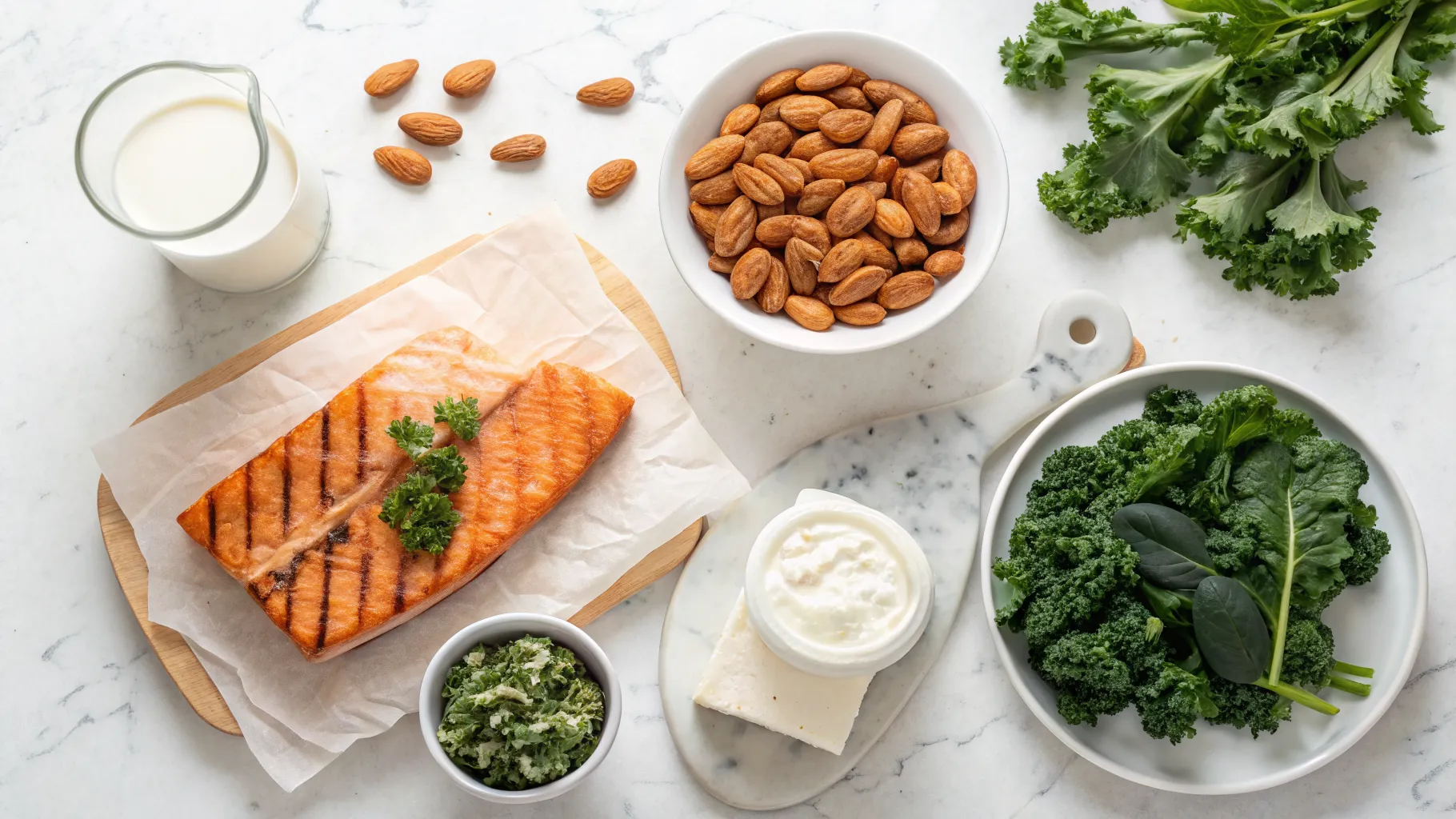
This comprehensive foods for bone strength guide explores the optimal dietary choices for long-term skeletal wellness. By understanding which nutrients target the structural components of the body, individuals can make informed decisions at the grocery store.
Understanding Symptoms and Causes of Bone Weakness
Recognizing the early symptoms and causes of structural deterioration is a crucial first step in prioritizing a nutrient-dense diet. Joint discomfort, stiffness after resting, and a gradual loss of mobility often point to underlying inflammation or cartilage wear. Meanwhile, bone weakness frequently develops without immediate physical signs, making preventative nutrition incredibly important for long-term health.
The primary causes of these issues typically include natural aging, genetic predispositions, and prolonged nutritional deficiencies. When the body lacks adequate calcium, vitamin D, or magnesium, it begins to extract these minerals directly from the skeletal system. Replenishing these stores through targeted foods for bone strength can help mitigate natural wear and tear while supporting the generation of new, healthy tissue.
1. Dairy Milk and Fortified Plant Alternatives
Traditional cow milk has long been celebrated as a cornerstone of skeletal health due to its high concentration of bioavailable calcium. A single serving provides a substantial portion of the daily recommended intake, along with phosphorus and high-quality protein. These components work synergistically to maintain the structural density of the human skeleton and facilitate tissue repair.
For those who are lactose intolerant or prefer plant-based diets, fortified alternatives offer comparable benefits. Almond, soy, and oat milks are frequently enriched with calcium and vitamin D, making them excellent additions to a skeletal support regimen. When selecting a plant-based beverage, checking the nutritional label ensures the product contains these added minerals, as they do not occur naturally in high amounts within the base ingredients.
2. Plain Yogurt and Fermented Dairy
Yogurt provides a dual benefit for the human body by offering substantial amounts of calcium alongside beneficial probiotics. The fermentation process makes the nutrients in yogurt highly accessible, allowing the digestive system to absorb minerals efficiently. Greek yogurt, in particular, delivers an exceptional amount of protein, which is vital for preserving the muscle mass that supports and protects moving joints.
- Choose plain, unsweetened varieties to avoid excess sugar that can trigger inflammation.
- Look for options labeled with live and active cultures to support gut health.
- Incorporate yogurt into morning routines or use it as a base for savory dips.
3. Fatty Fish Like Wild-Caught Salmon
Salmon is widely recognized as a nutritional powerhouse, especially when it comes to combating joint stiffness. It is exceptionally rich in omega-3 fatty acids, which are known to reduce systemic inflammation. Lowering inflammation directly benefits the joints by reducing swelling and minimizing the enzymes that break down protective cartilage.
In addition to its anti-inflammatory properties, salmon is one of the few natural food sources of vitamin D. Vitamin D is biologically essential for calcium absorption; without it, the body cannot effectively utilize the calcium consumed through other foods. Consuming fatty fish twice a week is a practical strategy for maintaining adequate levels of this vital nutrient.
4. Bone-In Sardines and Canned Fish
Sardines might be small, but they deliver an incredibly potent dose of structural nutrients. Because they are typically consumed whole, including their tiny, edible bones, they provide a direct and highly concentrated source of calcium and phosphorus. This makes them one of the most effective non-dairy foods for supporting structural density.
Beyond their mineral content, sardines share the same anti-inflammatory omega-3 benefits found in larger fatty fish. They are also highly convenient and shelf-stable, making them an accessible option for individuals looking to improve their dietary habits on a budget. Adding them to salads, pastas, or whole-grain toast is a simple way to boost daily mineral intake.
5. Dark Leafy Greens Such As Kale
Kale and similar dark leafy greens are vital for individuals seeking plant-based sources of calcium. While dairy is the most famous source, greens like kale provide an easily absorbed form of the mineral without the saturated fat found in whole milk products. Furthermore, kale is packed with antioxidants that help protect cellular structures from oxidative stress.
Perhaps most importantly, kale is an exceptional source of vitamin K, a nutrient that is often overlooked in skeletal health information. Vitamin K works alongside calcium to bind minerals to the bone matrix, effectively cementing the structural foundation. Regular consumption of dark greens ensures the body has the necessary tools to maintain strong and resilient tissue over time.
6. Cruciferous Vegetables Like Broccoli
Broccoli offers a unique combination of nutrients that support both the skeletal frame and the surrounding connective tissues. It contains a respectable amount of plant-based calcium, but its true strength lies in its high vitamin C content. Vitamin C is a critical component in the body's natural production of collagen, the primary protein found in cartilage, tendons, and ligaments.
Maintaining healthy collagen levels is essential for joint flexibility and shock absorption. By eating broccoli and other cruciferous vegetables regularly, individuals provide their bodies with the building blocks needed to repair joint tissues. Steaming or lightly roasting these vegetables helps preserve their water-soluble vitamins for maximum nutritional benefit.
7. Almonds and Almond Butter
Nuts are incredibly dense in minerals, and almonds stand out as a premier choice for skeletal wellness. They are naturally high in calcium and magnesium, two minerals that must work in tandem to ensure proper tissue mineralization. Magnesium regulates calcium transport and helps convert vitamin D into its active form, making it indispensable for overall structural maintenance.
- A small handful of raw almonds serves as a convenient, nutrient-rich snack.
- Almond butter can be stirred into oatmeal or blended into smoothies for added texture.
- Soaking almonds overnight can help reduce phytic acid, potentially improving mineral absorption.
8. Chia Seeds and Flaxseeds
Seeds are tiny but boast an impressive nutritional profile that directly targets mobility and strength. Chia seeds are packed with calcium, magnesium, and phosphorus, while flaxseeds are renowned for their high concentration of alpha-linolenic acid, a plant-based omega-3 fatty acid. This combination makes them excellent for both remineralizing tissue and soothing inflamed joints.
Because the body cannot easily digest whole flaxseeds, it is important to consume them in a ground or milled form to access their beneficial oils. Chia seeds, conversely, can be eaten whole and absorb liquid to create a hydrating gel. Both options can be effortlessly integrated into daily meals by sprinkling them over cereals, blending them into drinks, or baking them into healthy breads.
9. Soy Foods Including Tofu and Edamame
Soy products are highly regarded in many traditional diets for their rich protein content and bone-supporting properties. Tofu, particularly when prepared with calcium sulfate, becomes an extraordinary source of dietary calcium that rivals traditional dairy products. The high-quality protein found in soy also supports the muscular system, which inherently relieves stress on load-bearing joints.
Additionally, soy contains unique compounds known as isoflavones. Emerging research suggests that these plant-based compounds may help mimic the beneficial effects of estrogen in the body, which plays a protective role against tissue density loss. Incorporating edamame as a snack or using firm tofu in stir-fries offers a versatile way to enjoy these protective benefits.
10. Extra Virgin Olive Oil
While not a traditional mineral source, extra virgin olive oil is indispensable for preserving joint function and reducing wear. It is rich in oleocanthal, a natural phenolic compound that exhibits anti-inflammatory properties similar to over-the-counter pain relievers. By regularly incorporating this oil into a balanced diet, individuals can help manage the chronic inflammation that often leads to cartilage degradation.
Olive oil also supports cardiovascular health, which ensures that nutrient-rich blood is efficiently pumped to the extremities and structural tissues. When exploring what to know about dietary fats, it is important to remember that cold-pressed, unrefined olive oil retains the highest levels of beneficial antioxidants. It is best used as a finishing oil on salads and vegetables rather than for high-heat cooking.
Practical Health Information and What to Know Moving Forward
Transforming dietary habits requires consistency and a comprehensive understanding of how different nutrients interact. For instance, consuming high amounts of sodium or excessive caffeine can actually accelerate calcium excretion, undermining the benefits of a mineral-rich diet. It is advisable to pair iron-rich foods away from calcium sources, as they can compete for absorption within the digestive tract.
A well-rounded diet focused on whole, unprocessed foods will naturally provide the necessary components for lifelong structural support. By referencing this foods for bone strength guide and prioritizing diverse nutrient sources, individuals can proactively protect their mobility. Maintaining a balanced lifestyle that includes weight-bearing exercise alongside these nutritional choices is the most effective strategy for long-term resilience.