10 Foods That Boost Immunity for Older Adults in 2025
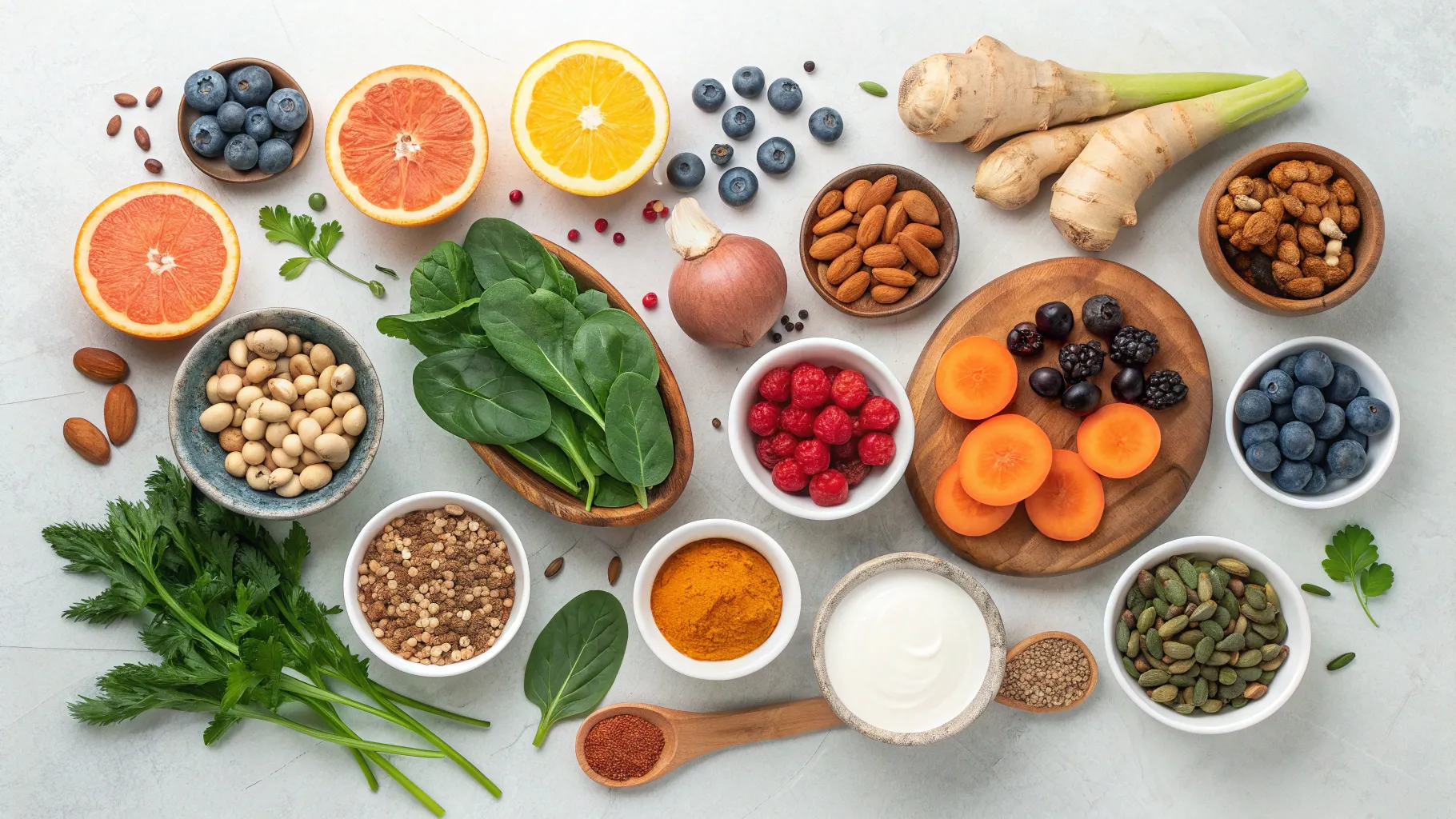
Exploring 10 Foods That Boost Immunity in Older Adults
As we age, maintaining a robust immune system becomes increasingly essential for overall health and well-being. For seniors, a strong immune system helps combat illnesses, recover faster, and leads to a better quality of life. In 2025, as awareness about nutrition continues to grow, incorporating 10 foods that boost immunity in seniors into a daily diet is more crucial than ever. The right nutrients can provide the necessary immunity support foods that older individuals need to thrive.
1. Citrus Fruits
When it comes to immune-boosting foods, citrus fruits stand out as a favorite. Oranges, lemons, grapefruits, and limes are packed with vitamin C, which helps stimulate the production of white blood cells. According to recent studies, older adults who consume adequate vitamin C have shown significantly better immune responses compared to those with lower intake, especially during cold and flu season.
2. Leafy Greens
Leafy greens such as spinach, kale, and Swiss chard are rich in vital nutrients that support immune health. These greens are high in vitamins A, C, and K, along with a plethora of antioxidants. The phytonutrients found in these vegetables boost the body’s ability to fend off infections. A recent survey revealed that older adults who regularly consume leafy greens report fewer instances of illness.
3. Nuts and Seeds
Nuts and seeds, like almonds, walnuts, and sunflower seeds, are excellent sources of vitamin E, which plays a crucial role in enhancing immune function. This nutrient not only acts as an antioxidant but also helps regulate and maintain the immune system’s response. In fact, research conducted within the last year has shown that incorporating a handful of nuts into daily meals correlates with reduced inflammation and improved immune responses in seniors.
4. Yogurt
Yogurt is another powerhouse in the realm of nutrition for older adults. It contains probiotics that help maintain gut health—a key factor for a strong immune system. As recognized by the World Health Organization, gut health is often linked to immune function. Regular consumption of yogurt has been associated with lower rates of respiratory infections in older populations, making it an essential ingredient for a healthy diet for older adults.
5. Garlic
This pungent bulb isn’t just a culinary favorite; garlic comes loaded with beneficial compounds that boost the immune system. Allicin, a compound found in garlic, has demonstrated anti-viral and anti-bacterial properties. Recent clinical trials indicate that older adults who include garlic in their diets experience a quicker recovery from infections. Moreover, it can act as a natural remedy for common ailments such as cold and flu, which become more prevalent as one ages.
6. Berries
Berries, such as blueberries, strawberries, and raspberries, are rich in antioxidants and vitamins. Specifically, their high content of vitamin C and polyphenols supports immune function. A comprehensive study published in early 2025 emphasized the link between berry intake and improved immune function in seniors. Including a variety of berries in the diet not only adds a refreshing taste but also provides essential nutrients that fortify health.
7. Sweet Potatoes
Sweet potatoes are not just delicious; they are also packed with beta-carotene, which the body converts into vitamin A. This vitamin is vital for maintaining the health of the immune system. A vibrant, orange-fleshed vegetable helps in the production of immune cells. Research conducted this past spring indicates that older adults who include sweet potatoes in their diets show robust immune function compared to those who consume fewer fruits and vegetables.
8. Mushrooms
Mushrooms such as shiitake, maitake, and reishi are gaining recognition for their significant health benefits, particularly their ability to enhance immune response. Studies over the last year point to mushrooms containing beta-glucans, which activate immune cells that play a critical role in inflammation and infection protection. Regularly incorporating mushrooms into meals not only enriches the diet but also supports increased immunity.
9. Turmeric
This bright yellow spice is not just a staple in curry dishes; turmeric contains curcumin, which has powerful anti-inflammatory properties. Scientific analysis shows that curcumin may enhance immune responses, particularly in older adults who may suffer from chronic inflammation. Including turmeric in daily meals can be an easy and effective way to reap its health benefits.
10. Green Tea
Green tea is rich in polyphenols and antioxidants, which are known to enhance immune function. Much like the other items on this list, it helps protect against infections. A study from late 2024 highlighted that older adults who regularly consumed green tea exhibited a lower risk of upper respiratory infections and better overall health outcomes compared to those who didn’t. Sipping on this healthful beverage is a great way to promote immunity.
Incorporating these 10 foods that boost immunity in seniors into daily meals can significantly fortify the immune system. By focusing on a healthy diet for older adults that is rich in vitamins, minerals, and antioxidants, seniors can better support their immune health. Embracing a variety of these nutrient-dense foods not only promotes better health but also creates enjoyment in the dining experience—vital for both mental and physical well-being.