10 Fascinating Facts About the Human Body You Should Know
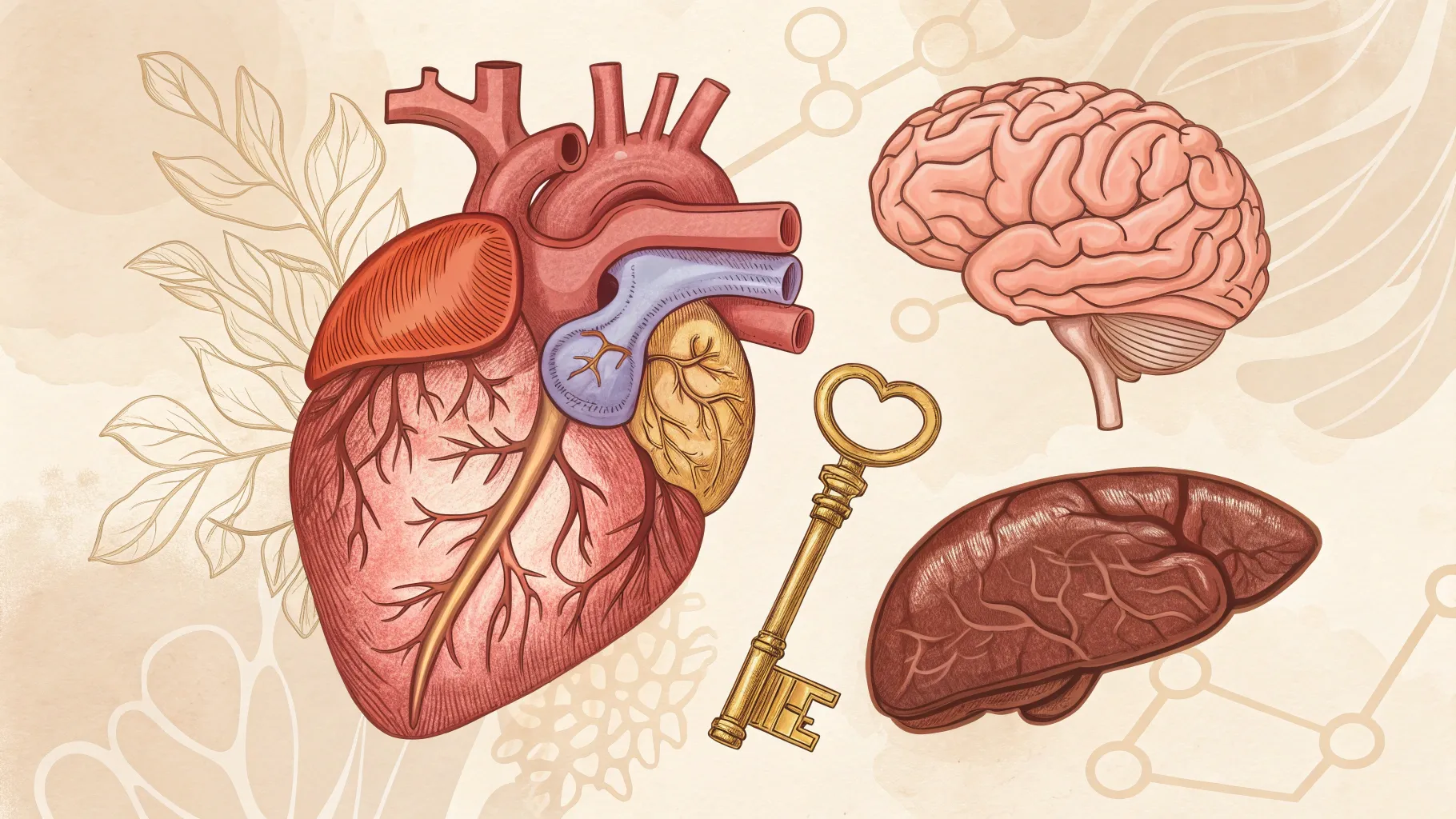
Fascinating Facts About the Human Body in 2025
The human body, with its remarkable complexity and efficiency, continues to captivate researchers and the everyday person alike. While we often take our bodily functions for granted, understanding the intricacies of our biology can enhance our appreciation of life and health. In this article, we delve into ten fascinating facts about the human body that reveal just how extraordinary we really are.
The Heart: A Tireless Pump
Every day, your heart beats more than 100,000 times. Over the course of a year, that’s approximately 36 million beats! Imagine the dedication of your heart, tirelessly pumping around 2,000 gallons of blood daily. This relentless activity is not just impressive; it's vital for circulating oxygen and nutrients throughout your body, while also removing waste products. In 2025, advancements in cardiac research mean we now understand more about heart disease prevention than ever, allowing us to lead healthier lives.
Bones: Nature's Strongest Building Material
Think of your bones as the sturdy framework of your body. Surprisingly, a cubic inch of bone can endure over 8,000 pounds of pressure, which makes human bones stronger than steel! This strength is vital, considering how much trauma our bodies can endure. Interestingly, our bones are dynamic, constantly reforming and adapting to stressors through a process known as remodeling. Even as we age, our bones retain the capability to remain strong with proper nutrition and exercise.
The Brain: A Powerhouse of Activity
Did you know your brain houses over 86 billion neurons? These neurons communicate via trillions of synapses, allowing for thought, memory, and emotions. Research shows that when awake, the human brain can generate around 20 watts of power. That’s enough to illuminate a small light bulb! In recent months, scientists have made strides in understanding how brain plasticity continues to evolve throughout our lives, emphasizing that it's never too late to learn new skills or information.
The Skin: Our Body's Shield
Covering approximately 22 square feet, your skin is the largest organ of your body, weighing around 8 pounds. Its primary functions include protecting internal organs, regulating body temperature, and serving as a sensory interface with the environment. One particularly fascinating aspect of skin is its ability to regenerate rapidly; you shed millions of skin cells each day! With skincare technology advancing, maintaining our skin health has never been easier.
Genetic Links: Humans and Bananas
In a surprising twist of genetic commonality, humans share about 60% of our DNA with bananas. This fact highlights the basic building blocks shared among all living organisms and reminds us of our connection to nature. As research into genetics continues to unfold in 2025, the implications of shared DNA can lead to breakthroughs in understanding diseases and enhancing our food supply through improved agricultural practices.
The Stomach: An Acidic Powerhouse
Your stomach's environment is highly acidic, with gastric acid (primarily hydrochloric acid) capable of dissolving metal! This strong acidity is crucial for breaking down food and aiding nutrient absorption. Remarkably, the stomach lining regenerates every few days, protecting itself from the harsh environment. Alongside advancements in digestive health research, more people are becoming aware of how their dietary choices impact stomach function, leading to healthier eating habits.
The Liver: Your Regenerative Champion
The liver is extraordinary; it can regenerate after injury or partial removal. In fact, it can regrow to full size within weeks! Performing over 500 functions, including detoxifying harmful substances and producing essential biochemicals, the liver is vital for health. In recent months, scientists have made significant strides in liver research, with promising studies exploring how to harness regeneration for therapies in liver disease treatment.
Saliva: More Than Just Spit
You might not think much about saliva, but the average adult produces about 1 to 2 liters of saliva daily! This natural fluid plays a key role in digestion and oral hygiene, aiding in food breakdown and helping to prevent tooth decay. New findings in 2025 highlight that saliva can also play a role in diagnostics, as specific biomarkers can be detected in this fluid, allowing for new methods of disease screening.
The Nose: Our Scent-Sensing Supercomputer
Your nose is a complex organ capable of detecting more than 1 trillion different scents. This acute sense of smell not only enhances our enjoyment of food but also plays a significant role in memory and emotion. Advances in olfactory research show how scent can trigger memories more powerfully than other senses, opening doors to therapeutic uses for individuals with memory-related conditions.
Nail Growth: Understanding the Differences
Have you noticed that your fingernails seem to grow faster than your toenails? Fingernails typically grow at a rate of about 3.5 millimeters a month, whereas toenails grow merely 1.6 millimeters monthly. Various factors influence this including blood circulation and nail usage. As health trends focus on self-care and nail health, many are turning to high-nutrition diets to fuel faster growth and stronger nails.
By delving into these fascinating facts, we can better appreciate the complexity of our bodies. Each detail reveals the sophistication of our physiological systems and how they work together to sustain life. Whether through exercise, good nutrition, or simply understanding how our bodies function, there's an abundance of opportunities to improve our health and well-being.
With many scientific breakthroughs occurring almost daily, staying informed about the human body empowers us to make better health choices. Remember, your body is a marvel of evolution and design. Truly, understanding its capabilities takes us a step closer to living our best lives.