10 Essential Vitamins for Seniors for Optimal Health
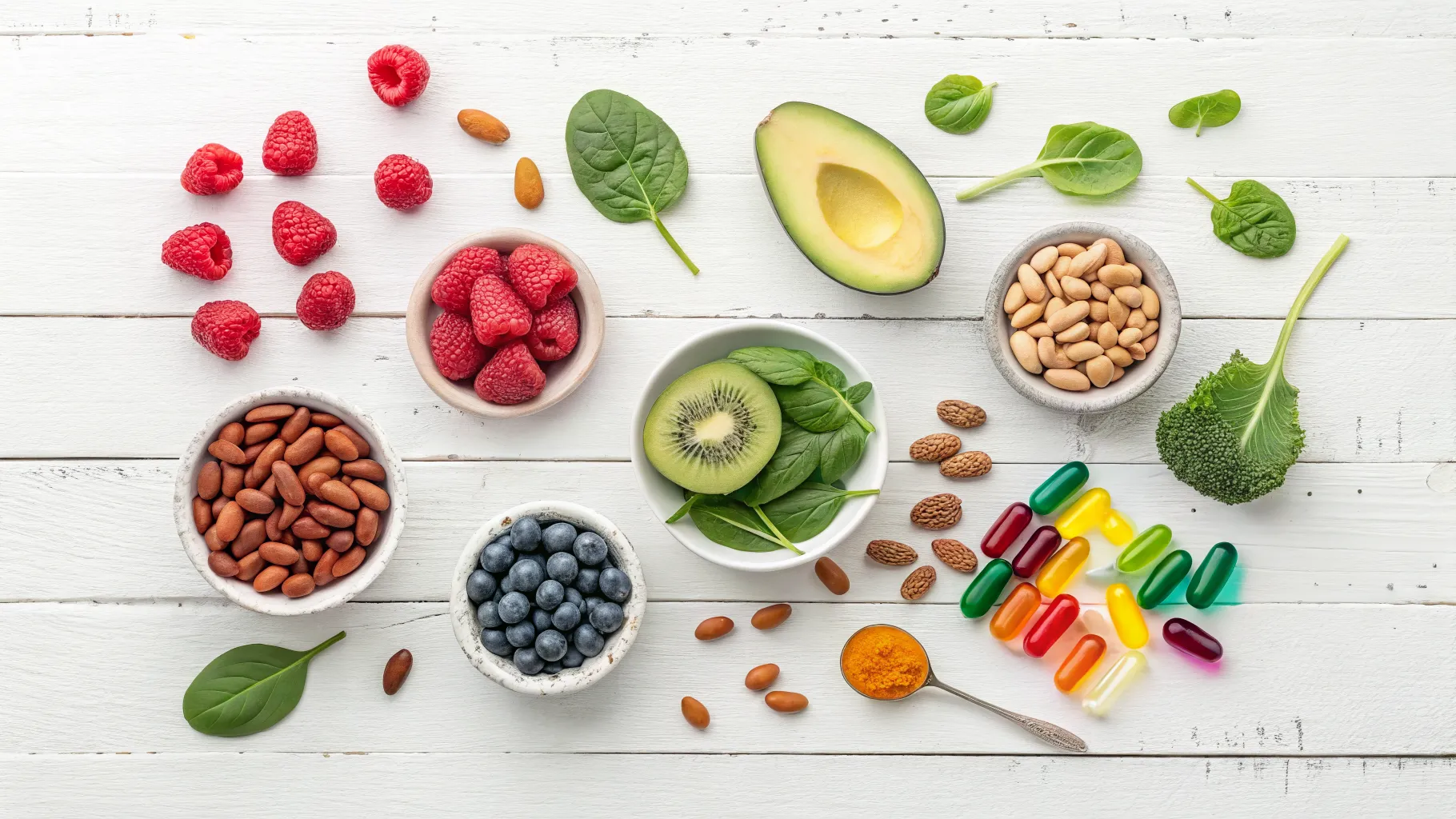
10 Essential Vitamins for Seniors for Optimal Health
Navigating through the golden years of life requires careful attention to nutrition. As we age, our body's nutritional needs change, and ensuring we get the right vitamins and essential nutrients for older adults is crucial. Older adults often face a variety of health challenges, making it vital to focus on vitamins that support vitality, immunity, and overall wellness. Below, we explore the 10 vitamins for seniors that can significantly enhance health and energy levels, while also boosting the immune system.
The Key Vitamins for Energy and Immunity
Understanding which vitamins are most beneficial can help seniors make informed dietary choices. Here are the key vitamins every senior should consider:
- Vitamin D: Often referred to as the "sunshine vitamin," vitamin D is essential for bone health, immune function, and overall well-being. Many older adults have insufficient vitamin D levels, especially those who spend limited time outdoors. Recent studies show that adequate vitamin D levels can reduce the risk of falls in seniors, making this vitamin especially crucial.
- Vitamin B12: Vital for nerve function and the production of DNA and red blood cells, vitamin B12 is commonly deficient in older adults. As absorption diminishes with age, it's important to monitor intake. Foods fortified with B12 or supplements can help maintain energy levels and cognitive function.
- Calcium: Essential for maintaining strong bones, calcium is critical as we age, particularly for women who are at higher risk of osteoporosis. Combining calcium with vitamin D enhances absorption and helps keep bones healthy.
- Vitamin A: Known for its role in eye health, vitamin A also supports the immune system. This vitamin can be found in foods such as carrots, spinach, and sweet potatoes. Adequate intake can help seniors maintain vision and overall health.
- Vitamin C: A powerful antioxidant, vitamin C plays a significant role in boosting the immune system. It helps fight infections and supports collagen production for maintaining skin and joint health. Recent research suggests older adults might benefit from higher doses to enhance their immune response.
- Vitamin E: This vitamin acts as an antioxidant and supports heart health. Vitamin E can help prevent the oxidative damage associated with cognitive decline, making it particularly important for seniors.
- Vitamin K: Not often discussed, vitamin K is essential for proper blood clotting and bone health. As many seniors are on blood-thinning medications, specifically discussing vitamin K intake with a healthcare provider is important.
- Folate: Also known as vitamin B9, folate supports cell function and tissue growth. It’s especially important for seniors to have a diet rich in folate to support heart health and reduce the risk of cognitive decline.
- Omega-3 Fatty Acids: While not a vitamin per se, omega-3 fatty acids are crucial for brain health. They can help reduce inflammation and lower the risk of chronic diseases. Seniors can find omega-3s in fatty fish like salmon, as well as in flaxseeds and walnuts.
- CoQ10 (Coenzyme Q10): Another important supplement for seniors, CoQ10 is involved in energy production in cells and acts as an antioxidant. Studies show that CoQ10 can improve energy levels and aid heart health.
In 2025, many leading health organizations stress the importance of a balanced diet that incorporates these vitamins. Regular health screenings and discussions with healthcare professionals help seniors tailor their diet and supplementation accordingly. It is adaptive and vital for older adults to evaluate their individual health needs regularly.
How to Incorporate These Vitamins into Your Diet
For seniors, it’s important to get these essential nutrients daily. Here are some practical tips on how to incorporate these vitamins into your daily routine:
- Eat a Colorful Diet: Focus on a plate filled with colorful fruits and vegetables. For instance, carrots and spinach are great for vitamin A, while citrus fruits are rich in vitamin C.
- Supplement Wisely: If diet alone isn’t enough, consider taking a multivitamin or specific supplements. Always consult with a healthcare provider before starting new supplements.
- Plan Meals: Meal planning can help ensure that you're consuming a well-rounded diet that includes all essential vitamins. This is especially true for seniors with dietary restrictions due to health issues.
- Stay Hydrated: Adequate hydration improves nutrient absorption. Water is crucial in keeping the body functioning optimally, particularly as we age.
- Regular Check-ups: Regular physician visits can help monitor vitamin levels, ensuring any deficiencies are caught early and treated effectively.
The importance of a nutrient-rich diet can't be overstated for those in their senior years. Balancing vitamins, along with a healthy lifestyle including regular exercise and mental activities, completes the wellness puzzle.
In summary, prioritizing these important supplements for seniors goes hand in hand with maintaining a healthy, active lifestyle. Emphasizing on a diet rich in these 10 essential vitamins can lead to improved vitality, energy, and immunity, enhancing the quality of life for older adults today and in the future.