The Essential Guide to the Top 10 Vitamins for Seniors in 2025
Facts:
- Over 30% of seniors are deficient in at least one key nutrient.
- Personalized nutrition is a growing trend for vitamins for older adults.
Essential Nutrients: Unpacking the Top 10 Vitamins for Seniors' Health
As we age, our bodies undergo significant changes, and so do our nutritional requirements. Maintaining optimal health becomes a priority, and understanding which nutrients are crucial is the first step. This comprehensive aging supplements guide is designed to illuminate the path toward better health by focusing on the 10 vitamins for seniors that are most impactful. These micronutrients play vital roles in everything from bone density and cognitive function to energy metabolism and immune response. Getting enough of these essential vitamins can make a profound difference in quality of life, helping to prevent age-related conditions and maintain vitality for years to come.
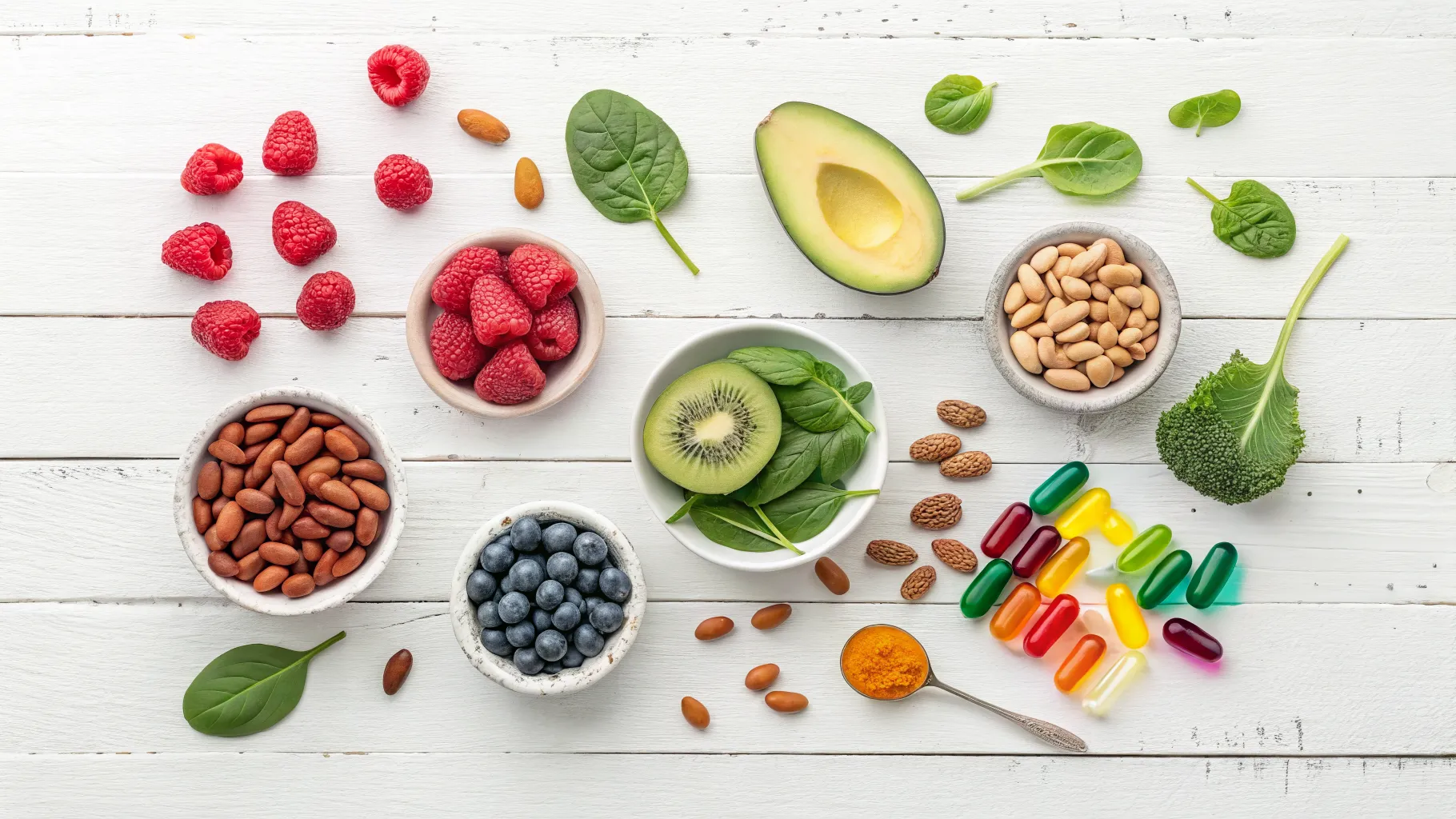
A Deep Dive into the Most Important Vitamins Seniors Need
Navigating the world of supplements can be overwhelming, but focusing on specific, science-backed nutrients simplifies the process. The following list details the most critical vitamins seniors need, explaining why each is essential for healthy aging. From protecting your bones to sharpening your mind, these nutrients are the building blocks of wellness in your golden years.
1. Vitamin D (The Sunshine Vitamin)
Vitamin D is paramount for seniors as it facilitates calcium absorption, which is essential for maintaining strong bones and preventing osteoporosis. As we age, our skin's ability to synthesize Vitamin D from sunlight diminishes, and we may spend more time indoors, increasing the risk of deficiency. Adequate levels of Vitamin D also support immune function and mood regulation. Many senior vitamin supplements are fortified with Vitamin D to address this common shortfall among vitamins for older adults.
2. Vitamin B12 (The Energy Booster)
Vitamin B12 is crucial for nerve function and the formation of red blood cells. A deficiency can lead to fatigue, weakness, and neurological issues like memory loss. Stomach acid, which is needed to absorb B12 from food, often decreases with age. Therefore, many seniors find it difficult to get enough from diet alone, making supplementation a vital part of their health regimen. This is one of the key vitamins seniors need for maintaining cognitive sharpness and energy levels.
3. Calcium (The Bone Guardian)
Calcium is synonymous with bone health. Post-menopausal women and older men are at a higher risk for bone density loss, which can lead to fractures. While dairy products are a primary source, many older adults have difficulty digesting them. A high-quality calcium supplement, often paired with Vitamin D, is a cornerstone of any effective aging supplements guide for preventing bone-related ailments.
4. Vitamin B6 (The Brain Supporter)
Vitamin B6 plays a role in over 100 enzyme reactions in the body, including those related to brain development and function. It's essential for creating neurotransmitters, the chemicals that carry signals between nerve cells. Some studies suggest that adequate B6 levels may help protect against cognitive decline and memory loss, making it a critical component of the top 10 vitamins for seniors.
5. Omega-3 Fatty Acids (The Heart Helper)
While technically not a vitamin, Omega-3 fatty acids are indispensable for senior health. Found in fatty fish, these fats are known to reduce inflammation, support heart health by lowering triglycerides, and promote brain function. Given their profound benefits, Omega-3s are a standard recommendation in any list of essential senior vitamin supplements.
6. Magnesium (The Muscle & Nerve Mineral)
Magnesium is involved in hundreds of biochemical reactions, including muscle and nerve function, blood glucose control, and blood pressure regulation. Deficiency is common in older adults and can lead to muscle cramps, fatigue, and an irregular heartbeat. Ensuring adequate magnesium intake is crucial for overall metabolic health and is one of the most important vitamins for older adults.
7. Coenzyme Q10 (CoQ10) (The Cellular Energizer)
CoQ10 is an antioxidant that the body produces naturally, but its production declines with age. It helps generate energy in your cells and protects them from oxidative damage. Some research indicates that CoQ10 supplements may improve heart health and reduce muscle pain associated with statin use, making it a valuable addition for many seniors.
8. Vitamin C (The Immunity Shield)
As a powerful antioxidant, Vitamin C is essential for a robust immune system. It helps protect cells from damage by free radicals and is necessary for the growth and repair of tissues throughout the body. For seniors, a strong immune system is the first line of defense against common illnesses, solidifying Vitamin C's place among the key vitamins seniors need.
9. Vitamin E (The Antioxidant Protector)
Vitamin E is another potent antioxidant that helps protect cells from oxidative stress, a process linked to aging and chronic diseases. It supports immune function and helps prevent blood clots. Found in nuts, seeds, and green leafy vegetables, it is an important nutrient to monitor for healthy aging.
10. Potassium (The Blood Pressure Regulator)
Potassium is an electrolyte that is vital for heart function and plays a key role in regulating blood pressure. A diet rich in potassium can help counteract the effects of sodium, which is often consumed in excess. Many older adults don't get enough potassium, making it a critical nutrient to focus on for cardiovascular health.
Choosing the Right Senior Vitamin Supplements: A Comprehensive Comparison
When selecting senior vitamin supplements, it's important to consider whether a comprehensive multivitamin or individual supplements are more appropriate. A multivitamin tailored for seniors can be a convenient way to cover many nutritional bases. However, some individuals may need higher doses of specific nutrients, like Vitamin D or B12, based on blood tests and medical advice. This is where this aging supplements guide becomes practical. Always look for third-party certifications (like USP or NSF) on the label to ensure quality, purity, and potency. Consulting with a healthcare provider is the best way to develop a personalized plan that addresses your unique health needs and complements your diet.
Practical Tips for Integrating Vitamins into Your Daily Routine
- Consult Your Healthcare Provider: Before starting any new supplement regimen, discuss your needs with a doctor or registered dietitian. They can recommend specific dosages based on your health status and bloodwork.
- Read Labels Carefully: Pay attention to the form of the nutrient, the dosage per serving, and the list of other ingredients. This is a key part of using an aging supplements guide effectively.
- Establish a Consistent Routine: Take your supplements at the same time each day to build a habit. Using a pill organizer can help you stay on track.
- Pair with Food for Better Absorption: Many vitamins, especially fat-soluble ones like Vitamin D, are absorbed better when taken with a meal that contains some fat.
- Monitor for Effects and Side Effects: Pay attention to how you feel. Note any positive changes or adverse reactions and report them to your doctor. Getting the right vitamins for older adults is about finding what works for your body.
Frequently Asked Questions
Do all seniors need to take the top 10 vitamins for seniors?
Not necessarily. While these vitamins are commonly needed by older adults, individual requirements vary greatly based on diet, lifestyle, health conditions, and medication use. It is crucial to consult with a healthcare professional who can assess your specific needs through discussion and lab tests before you begin taking new senior vitamin supplements.
What is the difference between food-based vitamins and synthetic senior vitamin supplements?
Food-based vitamins are derived from whole food sources and contain co-factors and enzymes that may aid absorption. Synthetic vitamins are created in a lab. While both can be effective, some people find that food-based supplements are gentler on the stomach. The best choice depends on individual tolerance, cost, and the specific nutrient in question. A good aging supplements guide will often recommend consulting a professional to decide.
How can I know which vitamins seniors need most for my specific condition?
The only reliable way to determine your specific vitamin needs is through a consultation with a doctor or a registered dietitian. They can analyze your diet, review your medical history, and order blood tests to identify any deficiencies. Self-diagnosing can be risky, as taking too much of certain vitamins can be toxic. Professional guidance ensures you get a safe and effective supplementation plan.
References
- National Institute on Aging (NIA)
- World Health Organization (WHO) - Ageing and health
- The Journal of Nutrition, Health & Aging
- Office of Dietary Supplements - National Institutes of Health