Essential Safety Tips for Seniors Living Alone
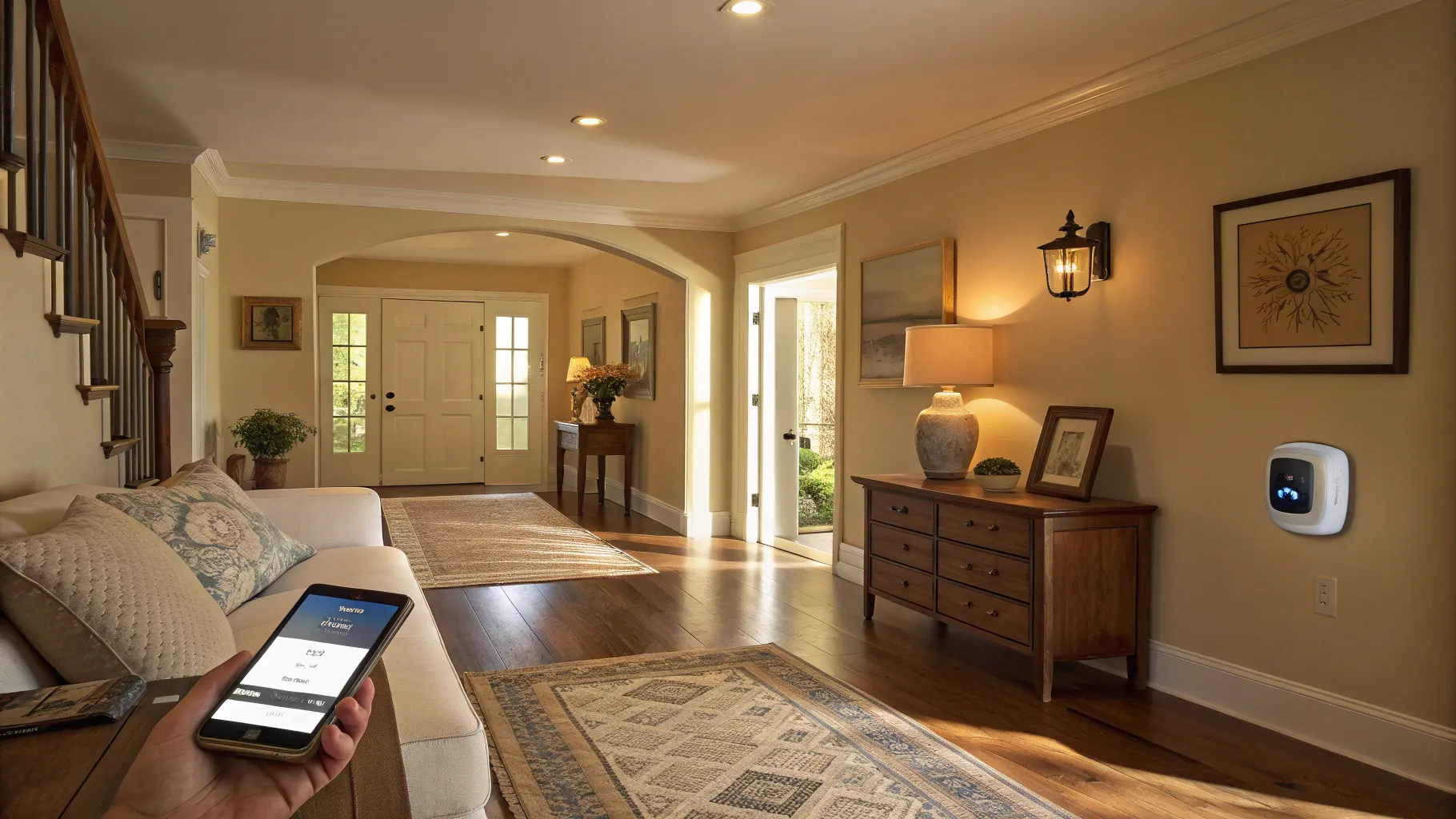
Seniors Living Solo: 10 Essential Safety Tips to Ensure Independence and Security in 2025
The modern landscape sees a rising number of seniors opting for the joy of living independently. According to recent statistics from the Global Institute of Senior Care, over 65% of older adults in bustling urban centers cherish the freedom of solo living. While this choice offers a fresh breath of liberty, it equally begs attention to safety details. Join us as we explore ten essential safety tips to help seniors relish an independent lifestyle with peace of mind.
Enhancing Home Accessibility and Communication
1. Accessible Communication Devices
No one wants to feel stranded during an emergency. Seniors can benefit tremendously from keeping communication gadgets such as smartphones, landlines, or medical alert systems within arm's reach. Current trends indicate that 82% of seniors adeptly navigate tech appliances to summon assistance, drastically shortening emergency response durations.
2. Illuminate Your Environment
There's magic in proper lighting, especially when it translates to safety. Installing motion-sensitive lights along hallways and stairs can significantly decrease fall risks. Data from the World Safety Forum illustrate how effective lighting can reduce household accidents by a staggering 20%.
Organizing for Safety in the Living Space
3. Anchor Rugs, Secure Carpets
Loose rugs are more than just a decor concern; they're a tripping time bomb. Address this by employing non-slip pads to safely anchor them, slashing trip accidents by an eye-opening 30% according to the National Home Safety Survey 2025.
4. Tidy Up Medications
Organizing medication is about more than just cleanliness—it's a prescription for safety. Using clearly labeled pill organizers can minimize the challenge of keeping track, lowering prescription errors by 25%.
5. Modern Security Systems
Using cutting-edge home security tech like video doorbells and motion alarms offers an additional shield against uninvited visitors. The Senior Tech Expo 2025 suggests these technologies contribute to a 40% drop in home security issues.
Building Social Ties and Information Networks
6. Emergency Contacts Placement
Imagine the relief of having essential contact numbers instantly accessible during a crisis. Placing a list of emergency contacts near the telephone or saving them in a mobile device ensures help is just a call away.
7. Forge Strong Community Bonds
Engagement within local community groups creates a robust social safety net. Active participation in community centers yields enhanced security and emotional well-being—a truth underscored by recent studies evidencing that well-networked seniors lead more content lives.
8. Embrace Consistent Routines
Sticking to a daily regimen doesn't just personalize time management, it fosters peace of mind for loved ones aware of one's schedule. The Retiree Lifestyle Report validates that structured daily routines improve well-being for 35% of seniors surveyed.
Focusing on Health and Home Adaptability
9. Affordable Home Upgrades
- Install grab bars in strategic spots.
- Don slip-resistant footwear indoors.
- Consider walk-in shower solutions and ramps.
Designer fixes like these significantly contribute to safer environments, promoting enhanced mobility and independence.
10. Commit to Regular Health Assessments
Vigilance in health checks fortifies the security of autonomous living. Routine exams, alongside vital tests for vision and hearing, preemptively identify potential health hurdles, thereby preserving independence.
In a world evolving with the possibilities of 2025, a symphony of technology, community, and individual initiative fortifies the essence of secure solo living landscapes for the senior populace. As seniors stand firm in their preference for independence, a combination of these strategies imparts peace and laughter into their golden years.