10 Essential Foods to Support Strong and Healthy Bones
Our skeletal structure is the foundation of our body, and keeping it strong is vital at every age. While genetics and physical activity play a part, nutrition is a cornerstone of bone health. Consuming a diet rich in specific vitamins and minerals can help build and maintain bone density, reducing the risk of issues later in life. Understanding which foods provide these essential nutrients is the first step toward building a bone-supportive diet.
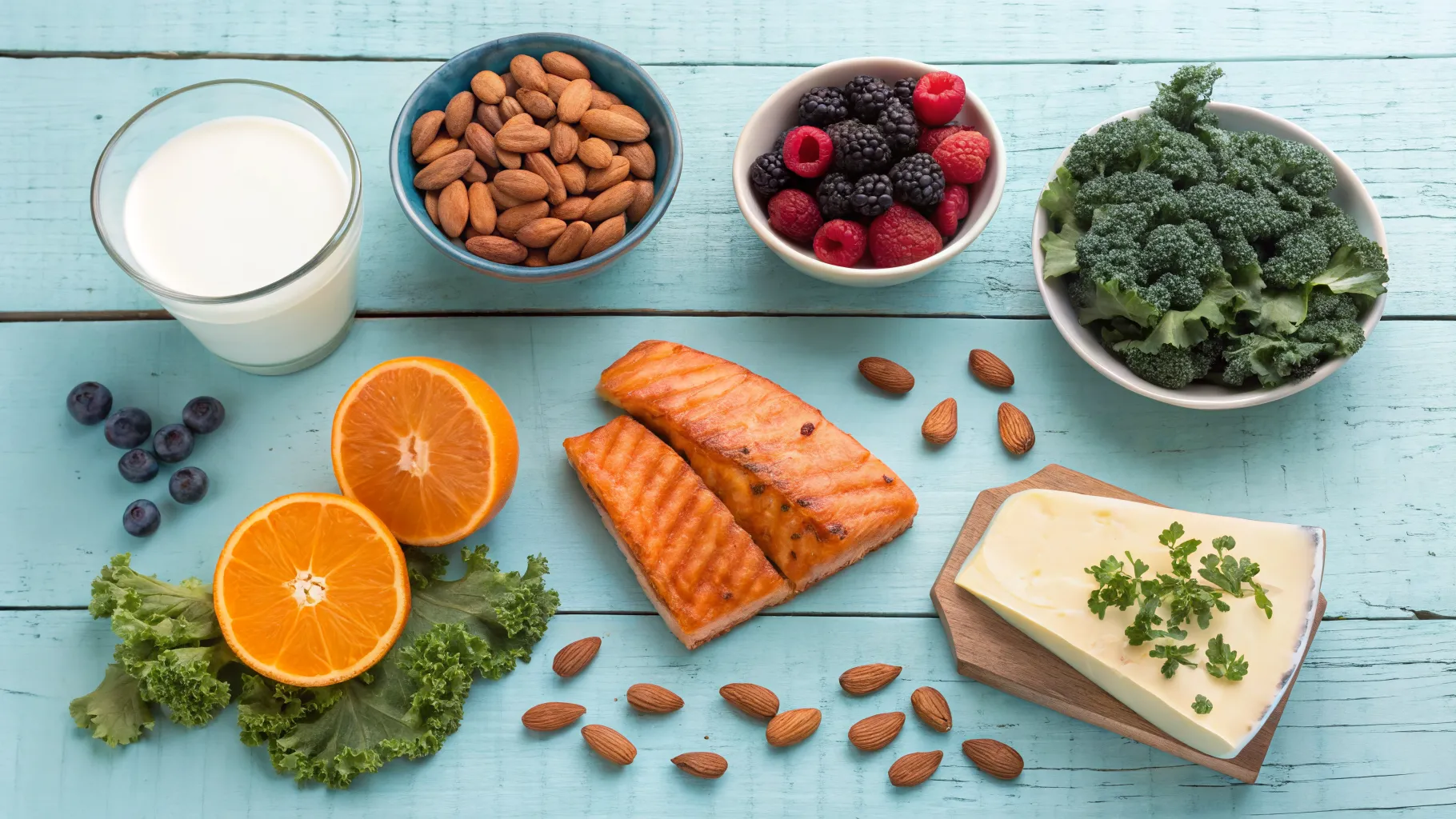
Dairy Products: The Calcium Classics
Dairy products like milk, yogurt, and cheese are famously rich in calcium, the primary mineral found in your bones. A single cup of milk or yogurt can provide a significant portion of the recommended daily calcium intake. Calcium is the main building block of bone tissue, and a consistent supply is necessary for maintaining bone mass and structure. When the body doesn't get enough calcium from the diet, it may draw it from the bones, which can weaken them over time.
When choosing dairy, plain yogurt is often a great choice as it also contains probiotics, which can support gut health. Cheese is another excellent source of calcium. For those with lactose intolerance or who follow a plant-based diet, many dairy alternatives are available that are fortified with calcium and vitamin D, offering similar benefits for bone health. Always check the nutrition label to ensure these nutrients have been added.
Leafy Greens: More Than Just Salads
Dark, leafy greens are nutritional powerhouses for bone strength. Vegetables like collard greens, kale, and bok choy are excellent sources of calcium. They also provide a healthy dose of vitamin K, a nutrient that works alongside calcium to support bone formation. Vitamin K helps produce proteins that are essential for bone mineralization, essentially helping calcium bind to the bone matrix.
While spinach is also a leafy green rich in calcium, it contains oxalates, which are compounds that can interfere with the body's ability to absorb calcium. While it is still a healthy food, it is beneficial to get calcium from a variety of other green vegetables as well. Incorporating a mix of different greens into your meals ensures you receive a broad spectrum of bone-supporting nutrients.
Fatty Fish: Your Source for Vitamin D
Vitamin D is crucial for bone health because it helps the body absorb and utilize calcium. While sunlight is a primary source of vitamin D, certain foods can contribute significantly to your intake. Fatty fish such as salmon, mackerel, and tuna are among the best natural dietary sources of this essential vitamin. Including a few servings of fatty fish in your weekly meal plan can make a substantial difference.
Canned fish, like sardines and salmon, offer a double benefit. Not only do they provide vitamin D, but they also contain calcium, particularly if you consume the small, edible bones. They are an accessible and affordable option for boosting your intake of these two vital bone nutrients. Look for options packed in water or olive oil for a healthier choice.
Fortified Foods: A Convenient Boost
Many common foods are fortified with bone-building nutrients, making it easier to meet your daily requirements. Fortification involves adding vitamins and minerals that are not naturally present in the food. This is particularly helpful for individuals who may not get enough of certain nutrients through their regular diet. It's a simple way to increase your intake without drastically changing your eating habits.
Look for products that are specifically fortified with calcium and vitamin D. Common examples include:
- Ready-to-eat breakfast cereals
- Orange juice
- Plant-based milks like soy, almond, and oat milk
- Tofu
Reading the nutritional labels on packaging is the best way to identify fortified products and understand how much of each nutrient they provide per serving.
Nuts and Seeds: Nutrient-Dense Powerhouses
Nuts and seeds may be small, but they pack a significant nutritional punch for your bones. Almonds are a good source of calcium, magnesium, and protein. Magnesium is another key mineral for bone health, as it plays a role in converting vitamin D into its active form, which in turn helps with calcium absorption. A deficiency in magnesium can affect the bone-building process.
Other seeds, such as chia seeds, flaxseeds, and sesame seeds, are also valuable. They contain calcium, phosphorus, and magnesium, all of which contribute to bone structure and strength. Sprinkling a tablespoon of seeds on your yogurt, oatmeal, or salad is an easy way to incorporate them into your daily routine and support your skeletal system.
Beans and Legumes: Plant-Based Bone Builders
Beans and legumes are excellent plant-based sources of several bone-friendly nutrients. Soybeans, which are used to make tofu and edamame, are particularly noteworthy. Tofu, especially when prepared with calcium sulfate, is a fantastic source of calcium. Many types of beans, including white beans and black-eyed peas, also provide a good amount of calcium and magnesium.
In addition to their mineral content, beans are rich in protein and fiber, making them a healthy addition to any diet. They are versatile and can be used in a wide variety of dishes, from soups and stews to salads and side dishes. Including beans and legumes in your meals is a great strategy for supporting bone health, particularly for those on vegetarian or vegan diets.