10 Essential Foods for Building and Maintaining Strong Bones
Maintaining strong and healthy bones is a lifelong process. Our bones are living tissue, constantly undergoing a cycle of renewal. Providing your body with the right nutritional building blocks is essential to support this process and reduce the risk of bone-related issues later in life. Key nutrients like calcium, vitamin D, and vitamin K play starring roles in bone health, and they can be found in a variety of delicious and accessible foods.
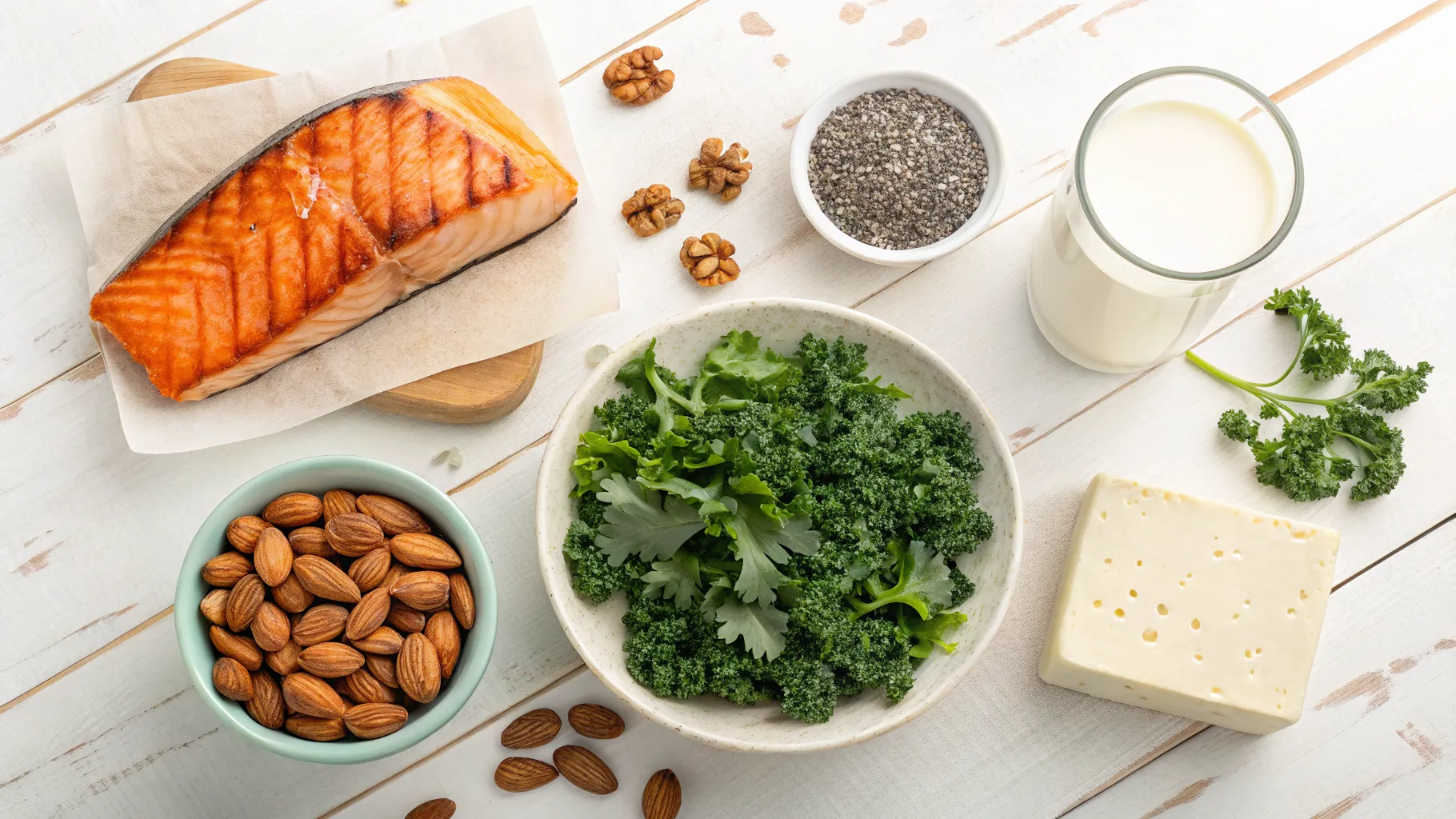
Dairy: The Classic Calcium Source
When people think of bone health, dairy products like milk, yogurt, and cheese often come to mind first, and for good reason. They are among the most concentrated sources of calcium, the primary mineral that makes up your bones and teeth. A single serving of yogurt or a glass of milk can provide a significant portion of your recommended daily calcium intake. These foods also contain phosphorus, another key mineral in the bone matrix, and are often fortified with vitamin D.
When choosing dairy, you have many options. Plain yogurt, especially Greek yogurt, is not only high in calcium but also provides protein. Cheeses like mozzarella and cheddar are also excellent sources. If you are mindful of fat intake, low-fat and non-fat versions of these products are widely available and typically contain similar, if not slightly higher, levels of calcium.
Dark Leafy Greens
Dairy isn't the only place to find bone-supporting nutrients. Dark leafy greens are nutritional powerhouses packed with calcium and vitamin K. Vegetables like collard greens, kale, and bok choy are excellent sources. For instance, a cup of cooked collard greens provides about a quarter of the daily recommended calcium.
Vitamin K is another crucial component found in these greens. It works by helping your body produce proteins needed for bone formation, essentially acting as a partner to calcium. While spinach is also rich in calcium, it contains oxalates, compounds that can interfere with your body's ability to absorb the calcium. However, it still contributes valuable nutrients and can be part of a balanced diet for bone health.
Fatty Fish for Vitamin D
Vitamin D is essential for bone health because it helps your body absorb calcium from the food you eat. While sun exposure is a primary source of vitamin D, certain foods are naturally rich in it. Fatty fish like salmon, mackerel, and sardines are some of the best dietary sources available. Including these types of fish in your meals a couple of times a week can significantly boost your vitamin D levels.
In addition to vitamin D, fatty fish provide omega-3 fatty acids. Some research suggests that these healthy fats may also play a role in supporting bone density. Canned sardines and canned salmon are particularly beneficial because they often contain tiny, edible bones that are loaded with calcium, giving you a dual benefit.
Fortified Foods
Many common foods are fortified with bone-healthy nutrients, making it easier to meet your daily needs. Fortification involves adding vitamins and minerals that aren't naturally present in the food. This is especially helpful for people who may not consume enough dairy or fatty fish. Check the labels on foods to see if they have been fortified.
Commonly fortified products include:
- Ready-to-eat breakfast cereals
- Orange juice
- Plant-based milk alternatives like soy, almond, and oat milk
- Tofu
Reading the nutrition label is key, as the amount of added calcium and vitamin D can vary widely between brands and products. Fortified foods can be a convenient and effective way to ensure you're getting a steady supply of these vital nutrients.
Nuts and Seeds
Nuts and seeds may be small, but they offer a surprisingly large nutritional punch for bone health. Almonds, for example, are a good source of calcium, magnesium, and protein. Just a small handful can contribute to your daily mineral intake. Magnesium is important because it helps your body activate vitamin D, which in turn helps with calcium absorption.
Other seeds, like chia seeds, flaxseeds, and sesame seeds, are also valuable. They contain not only calcium and magnesium but also phosphorus, another mineral that is a major component of bone structure. Sprinkling seeds on your yogurt, oatmeal, or salads is an easy way to incorporate them into your diet.
Beans and Legumes
Beans and legumes are excellent plant-based sources of several bone-building nutrients. White beans, in particular, stand out for their high calcium content. Other varieties like black beans, pinto beans, and kidney beans also provide a good amount of magnesium and phosphorus. They are also rich in fiber and protein, making them a healthy addition to any meal.
Calcium-set tofu is another standout in this category. Made from soybeans, its calcium content can be comparable to that of dairy products, making it a fantastic alternative for those following a plant-based diet. Be sure to check the label to confirm it has been prepared with calcium sulfate.