10 Effective Methods for Controlling Weeds in Your Garden
Weeds are a persistent challenge for any gardener, competing with your plants for water, nutrients, and sunlight. Fortunately, there are numerous ways to manage them, ranging from simple manual labor to more strategic, long-term solutions. Understanding the different options available can help you create a more effective and sustainable weed control plan for your garden beds, lawn, and pathways.
Manual Removal Techniques
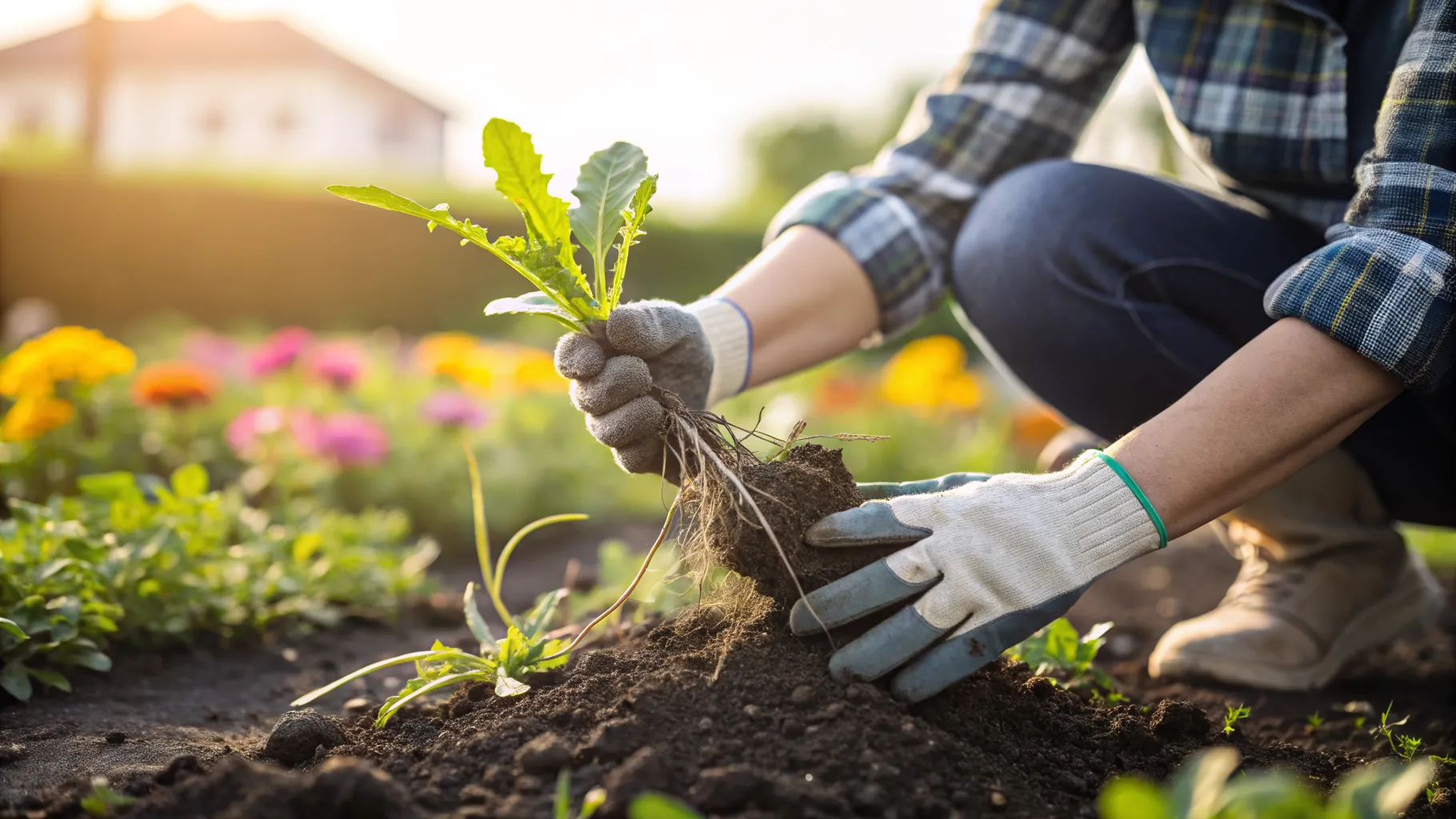
The most direct approach to weed control involves removing them by hand or with simple tools. This method is highly effective for small infestations and is best done when the soil is moist, which makes it easier to pull the entire root system out. Leaving parts of the root behind can allow many types of weeds to regrow.
For slightly larger areas or more stubborn weeds, a variety of gardening tools can make the job easier. A garden hoe is excellent for scraping away young surface weeds, while a dandelion weeder or forked trowel can help you get leverage to remove deep taproots. Regularly turning over the top layer of soil with these tools can also disrupt the life cycle of newly germinated weeds.
Natural and Homemade Solutions
For those who prefer to avoid commercial chemicals, several simple household items can be effective. Pouring boiling water directly onto weeds, particularly those growing in cracks in pavement or driveways, will instantly kill them. This method is non-selective, meaning it will harm any plant it touches, so it requires careful application in garden beds.
A spray made from household vinegar can also act as a natural herbicide. The acetic acid in vinegar works by drawing moisture out of the plant's leaves, causing them to wither. This works best on young, annual weeds and may require multiple applications for more established plants. Be aware that like boiling water, vinegar is non-selective and can damage nearby desirable plants if not applied carefully.
Smothering and Light Deprivation
Weeds, like all plants, need sunlight to survive. You can use this to your advantage by blocking their access to light. This technique, often called smothering, involves covering the weedy area with a light-blocking material. One popular method is to lay down layers of cardboard or newspaper directly over the weeds and then cover them with a thick layer of mulch or compost. Over time, the weeds will die, and the cardboard will decompose, enriching the soil.
Another method is soil solarization, which uses the sun's heat to kill weeds and their seeds. This involves tightly covering a moist, tilled area of soil with a clear plastic sheet for several weeks during the hottest part of the year. The plastic traps solar radiation, raising the soil temperature to levels that are lethal for most weeds and soil-borne pathogens.
Preventative Barriers
One of the most effective long-term strategies is to prevent weeds from growing in the first place. Landscape fabric is a physical barrier that is laid down over the soil. It allows water and air to penetrate but blocks sunlight, preventing weed seeds from germinating. You can cut holes in the fabric to place your desired plants. It's often used in perennial beds and is typically covered with mulch for a more aesthetic look.
Applying a thick layer of organic mulch, such as wood chips, straw, or shredded leaves, is another excellent preventative measure. A two-to-three-inch layer of mulch blocks sunlight from reaching the soil surface, which inhibits weed seed germination. Mulch also helps the soil retain moisture and can improve its structure as it breaks down over time.
Using Plants as a Defense
You can fight weeds with other plants through a strategy called 'crowding out.' By planting a dense ground cover or spacing your garden plants closely together, you create a living mulch. As your desirable plants mature, their leaves will create a canopy that shades the soil, making it difficult for weed seeds to get the light they need to sprout. This not only reduces weeding chores but also creates a lush, full look in your garden.
This technique works well in both vegetable gardens and ornamental beds. Choose vigorous plants that are well-suited to your climate and soil conditions. As they establish, they will naturally outcompete most invasive weeds for resources like water, light, and nutrients, creating a self-sustaining, low-maintenance garden environment.
Considering Chemical Controls
When other methods are not practical for large or severe infestations, chemical herbicides are an option. Herbicides are generally categorized as selective or non-selective. Selective herbicides are designed to target specific types of plants, such as broadleaf weeds in a lawn, without harming the surrounding grass. Non-selective herbicides will kill any plant they come into contact with and are best used for clearing large areas or tough spots like sidewalk cracks.
If you choose to use chemical controls, it is crucial to read and follow the manufacturer's instructions carefully to ensure safety for yourself, your desirable plants, and the environment. Application timing is also important; many herbicides are most effective when weeds are young and actively growing. Always consider whether a less impactful method could achieve the same results before turning to chemical solutions.