10 Early Signs of Vitamin Deficiency You Should Know
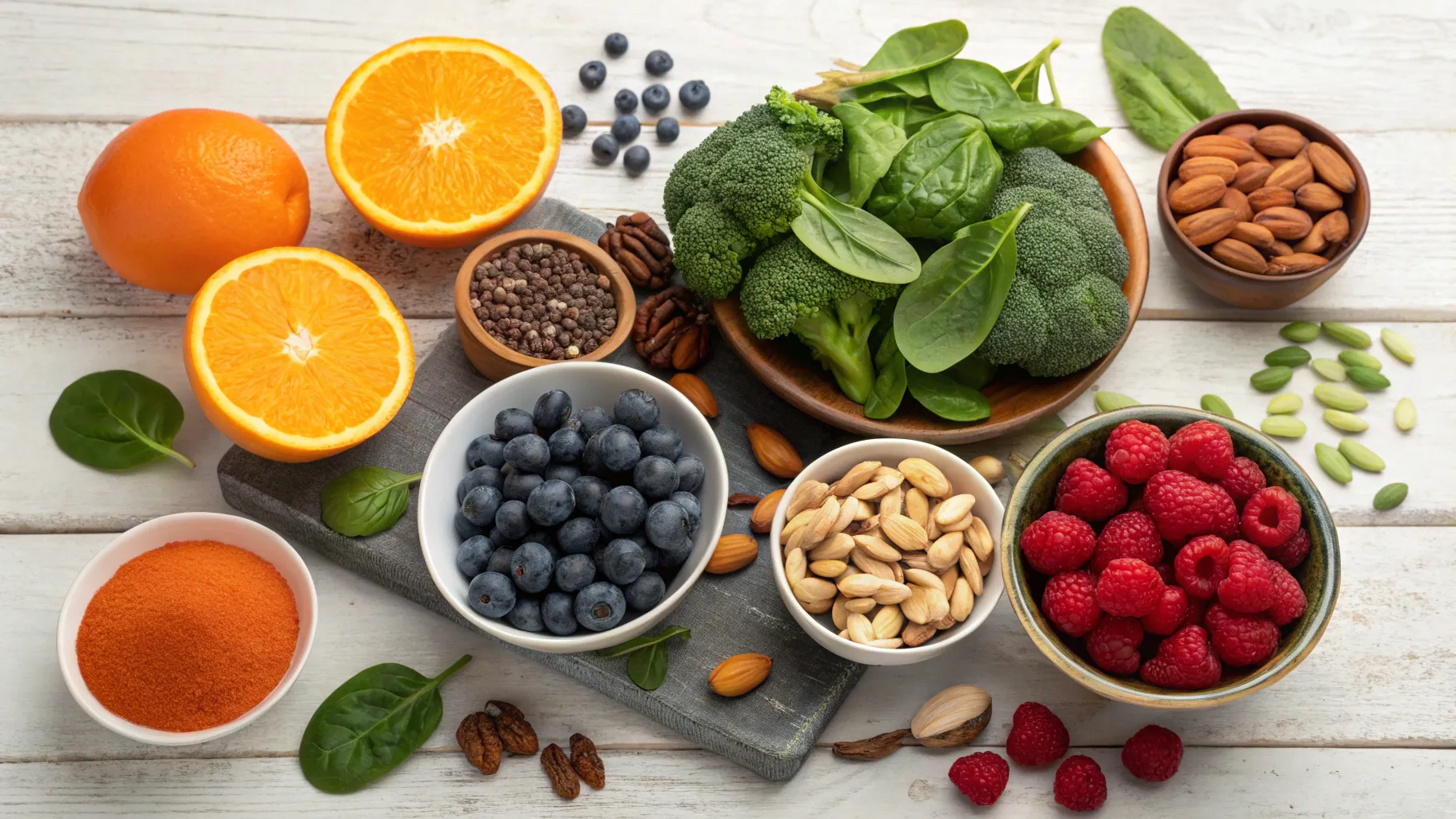
10 Early Signs of Vitamin Deficiency
In our quest for better health, we often overlook the significance of vitamins in our diet. Vitamin deficiencies can manifest in various ways, and being aware of the signs can aid in early detection and treatment. This article dives into 10 early signs of vitamin deficiency that you may encounter in daily life, providing valuable insight into the common symptoms of vitamin deficiency in adults.
1. Constant Fatigue
Feeling unusually tired? This could be linked to a lack of essential vitamins, particularly Vitamin D and Vitamin B12. Adequate Vitamin D levels help regulate energy levels, while Vitamin B12 is integral to red blood cell formation. Studies show that nearly 42% of adults are Vitamin D deficient, leading to symptoms of fatigue and overall low energy.
2. Pale Skin and Brittle Hair
If your skin lacks its usual glow or your hair appears dull and breaks easily, you might be dealing with deficiencies in iron or Vitamin B7 (biotin). Iron deficiency often leads to a condition called anemia, where the body does not produce enough healthy red blood cells, resulting in pale skin. Biotin plays a critical role in maintaining healthy hair, and low levels can lead to hair loss.
3. Increased Susceptibility to Illness
Vitamins significantly contribute to a well-functioning immune system. Vitamin C and Vitamin A, in particular, are crucial for maintaining immune health. Recent studies have noted that populations with lower Vitamin C levels experience more incidences of colds and flu. If you find yourself falling ill more frequently, consider your vitamin intake.
4. Mood Changes
Contrary to popular belief, your emotional wellbeing can be influenced by your nutrient intake. Vitamins like B6, B9 (folate), and B12 are critical in synthesizing neurotransmitters that regulate mood. Signs of deficiency can include depression, anxiety, and irritability. A correlation between Vitamin D deficiency and seasonal affective disorder has also been observed, affecting mood during winter months.
5. Poor Wound Healing
If small cuts and scrapes seem to take longer to heal, it could be due to a lack of Vitamin C or Vitamin K. These vitamins are vital for skin repair and cellular regeneration. A study conducted recently showed that individuals with low levels of Vitamin C experienced slower wound healing, highlighting the importance of adequate nutrition.
6. Frequent Cramps and Muscle Pain
Regular muscle cramping or pain may indicate a deficiency in magnesium or potassium. These minerals play key roles in muscle function and nerve signal transmission. In 2024, a significant number of athletic communities reported that dietary adjustments improved their performance by addressing deficiencies in these critical nutrients.
7. Vision Problems
Vitamin A is essential for maintaining good vision, especially in low light. A deficiency typically presents as night blindness or more severe issues over time, such as retinal damage. A report in 2024 indicated that a substantial portion of the population remains unaware of their Vitamin A status, leading to increased rates of vision impairment.
8. Swollen or Bleeding Gums
If your gums bleed frequently during brushing or feel swollen, this might be a sign of Vitamin C deficiency, commonly known as scurvy. This vitamin is crucial for overall oral health and tissue integrity. A clinical review from earlier this year highlighted a concerning link between Vitamin C deficiency and oral health issues among adults, emphasizing the need for balanced nutrition.
9. Digestive Issues
Digestive troubles such as bloating, gas, and irregular bowel movements can arise from deficiencies in Vitamin D, Vitamin B12, and magnesium. Ensuring proper levels can significantly improve digestive health as these vitamins and minerals support gastrointestinal function. Research from late 2024 emphasizes the growing concern of digestive problems among adults due to lack of essential vitamins.
10. Cravings for Unusual Foods
Lastly, cravings for non-food items, known as pica, can indicate nutritional deficiencies, particularly iron or zinc. This condition, while often associated with pregnancy, can affect individuals of any gender or age. If you're drawn to chewing ice, dirt, or starch, it may signify your body's urgent need for certain nutrients. A recent case study illustrated how addressing zinc deficiencies led to the cessation of such cravings in multiple patients.
Identifying Vitamin Deficiency Through Lifestyle Factors
Many lifestyle factors influence vitamin status, which makes identifying vitamin deficiency an important part of maintaining health. For example, a predominantly plant-based diet without proper planning may lead to deficiencies in B12 and iron. Moderation in alcohol consumption is also vital as excessive intake can interfere with nutrient absorption.
Moreover, age plays a critical role; older adults often have decremented absorption capabilities for several key vitamins. Additionally, lifestyle habits such as smoking and high-stress levels can deplete the body's vitamin reserves. Consider your daily habits and potential gaps in your nutrition as you reflect on these signs of deficiency.
Staying proactive about your health can mean the difference between minor adjustments and serious health issues. Regular check-ups, a balanced diet, and awareness of these signs will help you maintain optimal vitamin levels. By prioritizing nutrition, you will not only enhance your overall wellbeing but also mitigate the risk of long-term health effects linked to vitamin deficiency.