10 Drought-Tolerant Plants for Busy Gardeners: A Complete Guide
Facts:
- Switching to native, drought-tolerant plants can reduce outdoor water usage by 20-50%.
- The trend of xeriscaping, or designing landscapes to minimize water use, is growing rapidly among eco-conscious homeowners.
Transform Your Garden with Water-Wise Choices
Creating a beautiful, lush garden doesn't have to mean spending hours with a hose or dealing with a sky-high water bill. For those with hectic schedules or living in arid regions, the solution lies in embracing water wise gardening. This approach focuses on selecting plants that are naturally adapted to survive and thrive with minimal irrigation. By choosing the right drought tolerant plants, you can cultivate a stunning landscape that is both low-maintenance and environmentally friendly. This guide will walk you through the top 10 drought-tolerant plants for busy gardeners, ensuring your garden remains vibrant all season long.
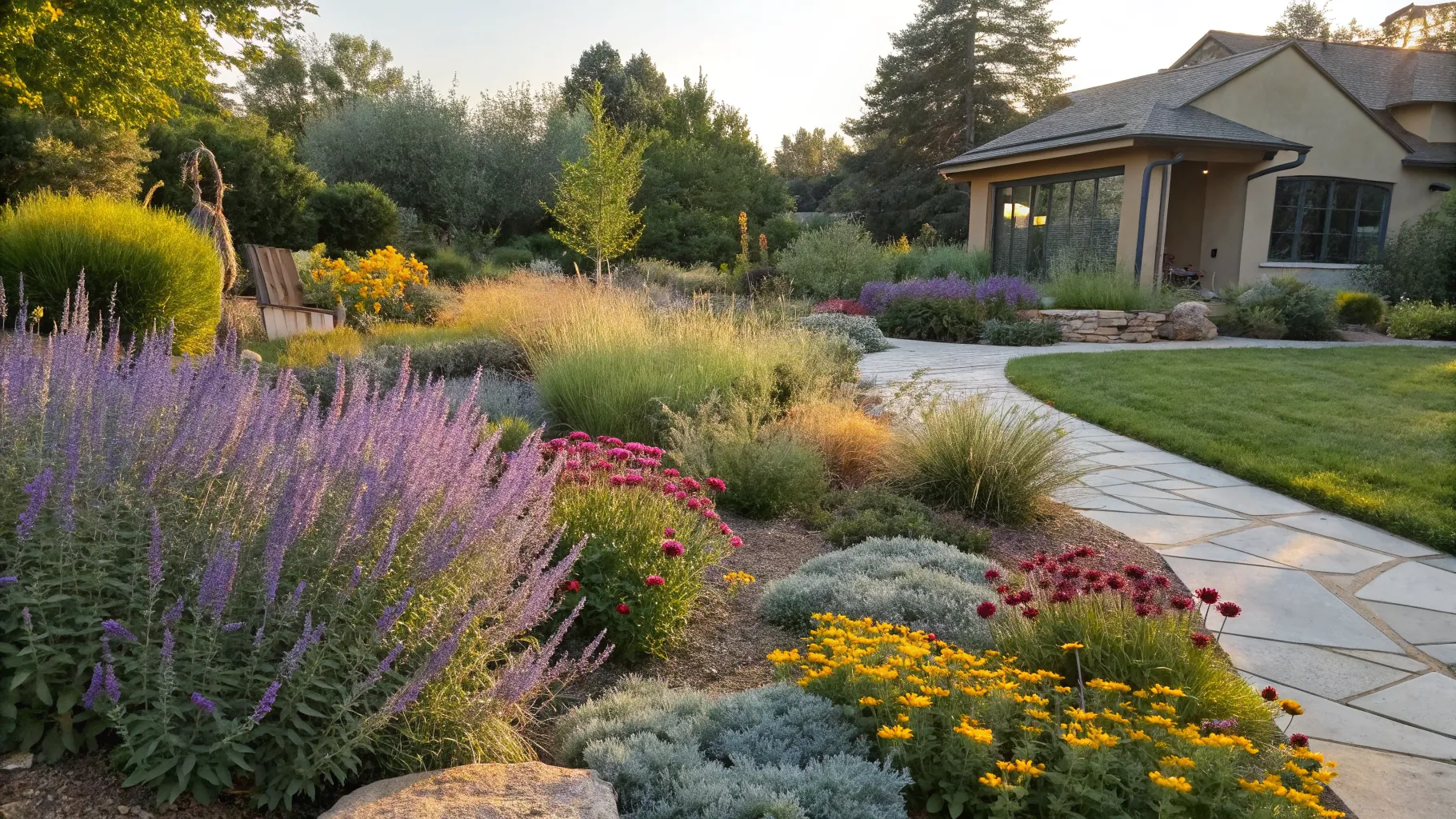
Our Top 10 Drought-Tolerant Plants for Busy Gardeners
Selecting the right plants is the cornerstone of a successful low-water garden. These ten options are celebrated for their resilience, beauty, and minimal water requirements, making them perfect choices for anyone looking to practice water wise gardening.
1. Lavender (Lavandula)
Known for its soothing fragrance and beautiful purple spikes, Lavender is a classic choice for dry climate plants. It thrives in full sun and well-drained soil, and once established, it is exceptionally drought-tolerant. Its silvery-green foliage adds texture and color to the garden even when not in bloom, making it a year-round asset for any collection of low water garden plants.
2. Sedum (Stonecrop)
Sedums are a diverse group of succulents that come in a wide range of shapes, sizes, and colors. From low-growing groundcovers to taller, upright varieties, there's a Sedum for every garden. They store water in their fleshy leaves, making them incredibly resilient drought tolerant plants. They are ideal for rock gardens, borders, and containers.
3. Coneflower (Echinacea)
With their iconic daisy-like flowers and prominent central cones, Coneflowers are a favorite among pollinators and gardeners alike. These hardy perennials are native to North American prairies, so they are naturally adapted to heat and drought. They are excellent dry climate plants that add a splash of color from mid-summer to fall.
4. Russian Sage (Perovskia atriplicifolia)
Russian Sage offers an airy, cloud-like texture with its delicate silver foliage and spires of lavender-blue flowers. It loves heat and sun and requires very little water once it's established. This is a must-have for anyone seeking beautiful and tough low water garden plants that provide long-lasting color.
5. Yarrow (Achillea)
Yarrow is a tough, low-maintenance perennial that produces flat-topped clusters of flowers in a variety of colors, including yellow, white, pink, and red. It's one of the most reliable drought tolerant plants you can find, thriving in poor soil and hot, dry conditions where other plants might struggle. It's a fantastic addition to any water wise gardening plan.
6. Agastache (Hummingbird Mint)
Agastache is prized for its aromatic foliage and long-lasting, showy flower spikes that are magnets for hummingbirds and butterflies. This plant is a workhorse in a dry garden, blooming for weeks on end with very little care. It's a perfect example of hardy dry climate plants that don't sacrifice beauty for resilience.
7. Salvia (Sage)
The Salvia family includes a vast number of species, many of which are exceptionally drought-tolerant. Varieties like Salvia nemorosa ('May Night') or Salvia greggii (Autumn Sage) are excellent choices for a low-water garden. They offer vibrant flower spikes and are incredibly tough, making them a top pick from our list of 10 drought-tolerant plants for busy gardeners.
8. Gaillardia (Blanket Flower)
These cheerful, daisy-like flowers bloom profusely in shades of red, yellow, and orange. Gaillardia is incredibly heat and drought-tolerant, often blooming all summer long with no supplemental watering once established. It's an easy-care perennial that brings a burst of color to any collection of low water garden plants.
9. Rosemary (Rosmarinus officinalis)
More than just a culinary herb, Rosemary is a woody, evergreen shrub that is extremely well-suited to dry conditions. Its needle-like leaves conserve moisture, and it thrives in full sun and well-drained soil. It's a versatile plant that works well as a low hedge, in containers, or as a standalone specimen in a drought tolerant plants garden.
10. Verbena
Verbenas are known for their clusters of small, vibrant flowers and their ability to withstand heat and drought. Trailing varieties are excellent for groundcover or spilling out of containers, while upright types work well in mixed borders. They are a reliable choice for continuous color in a challenging, dry environment.
Choosing the Best Plants for Your Climate Zone
While all the plants on this list are known for their drought tolerance, it's crucial to select varieties that are appropriate for your specific USDA hardiness zone. Some dry climate plants, like Rosemary, may not be winter-hardy in colder regions, while others, like Coneflower, can handle freezing temperatures with ease. Always check the plant tag or consult a local nursery to ensure the drought tolerant plants you choose will thrive year-round in your location. The success of your water wise gardening efforts depends on matching the right plant to the right place.
Practical Tips for Successful Water-Wise Gardening
Embracing water wise gardening goes beyond just plant selection. Follow these actionable tips to create a resilient and beautiful garden that conserves water effectively.
- Improve Your Soil: Amend your soil with organic compost. Healthy soil retains moisture more effectively, delivering it to plant roots where it's needed most. This reduces the need for frequent watering of your low water garden plants.
- Mulch Generously: Apply a 2-3 inch layer of organic mulch, like wood chips or shredded bark, around your plants. Mulch helps retain soil moisture, suppresses weeds that compete for water, and keeps the soil cool.
- Water Deeply and Infrequently: When you do water, water deeply to encourage deep root growth. This makes plants more resilient during dry spells. Avoid frequent, shallow watering, which encourages shallow roots.
- Group Plants by Water Needs: Place plants with similar water requirements together. This practice, known as hydrozoning, allows you to water more efficiently and prevents over- or under-watering certain plants.
Frequently Asked Questions
What are the easiest drought tolerant plants for beginners?
For beginners, Sedum (Stonecrop) and Yarrow (Achillea) are excellent choices. They are incredibly forgiving, require minimal care once established, and tolerate a wide range of soil conditions, making them fantastic starter drought tolerant plants.
How often do I need to water new low water garden plants?
Even low water garden plants need regular watering to get established. For the first season, water them deeply once or twice a week, depending on the heat and rainfall. Once their root systems are developed, you can significantly reduce the frequency.
Can I have a colorful garden with only dry climate plants?
Absolutely! Many dry climate plants offer spectacular, long-lasting blooms. Plants like Coneflower, Gaillardia, Salvia, and Lavender provide a rich palette of colors throughout the growing season, proving that water wise gardening can be incredibly vibrant.
References
- The Water-Wise Home: How to Conserve, Capture, and Reuse Water in Your Home and Landscape
- Sunset Western Garden Book of Landscaping
- Drought-Resistant Planting: Lessons from Beth Chatto's Gravel Garden
- National Gardening Association Water-Wise Guides