10 Drought-Tolerant Plants for Busy Gardeners: A Water-Wise Guide
Facts:
- Xeriscaping can reduce outdoor water use by over 50%.
- A key trend in sustainable landscaping involves using drought tolerant plants.
Why Water-Wise Gardening is Essential for Modern Landscapes
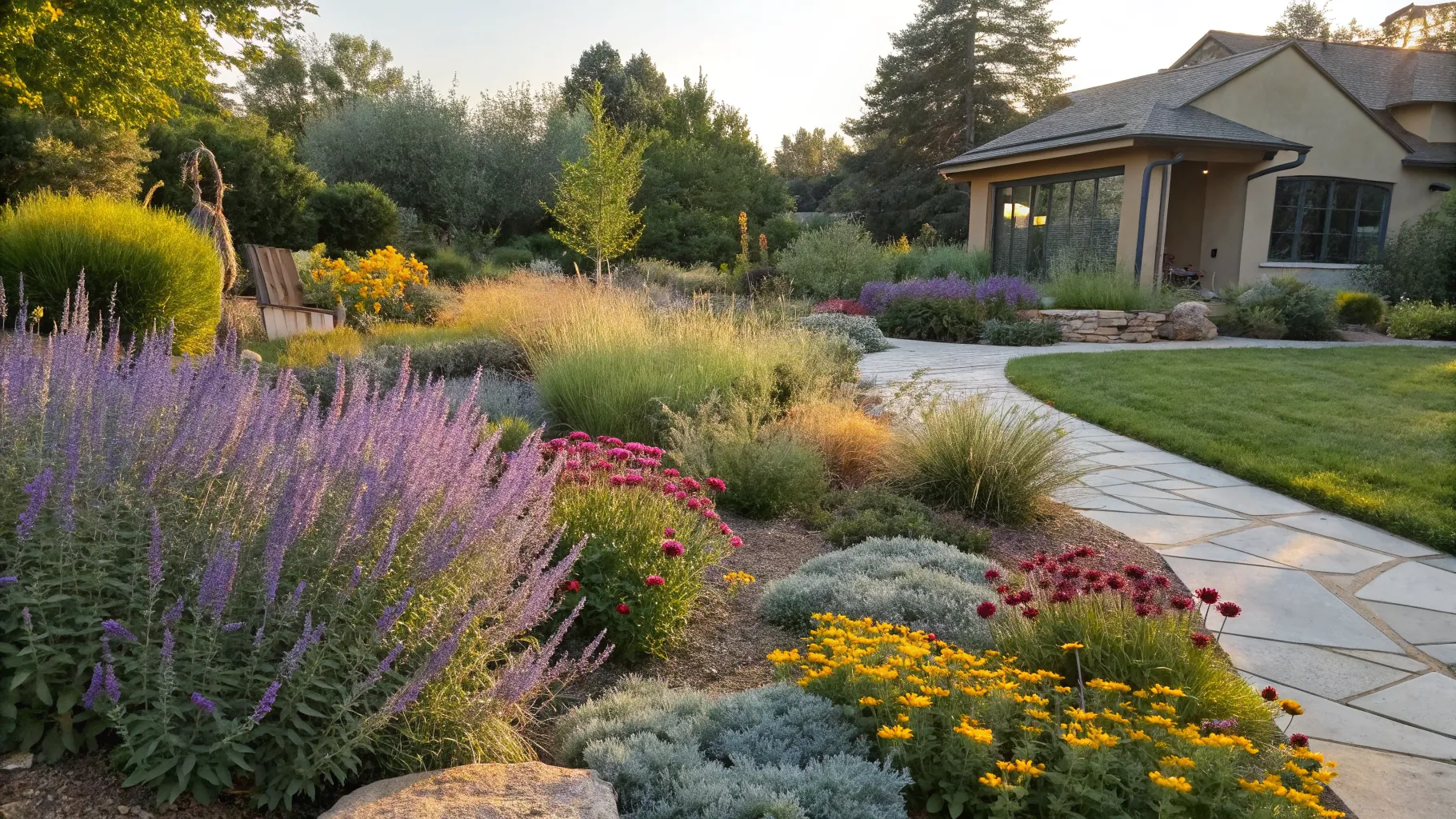
For many busy homeowners, the dream of a lush, vibrant garden often clashes with the reality of time constraints and rising water bills. The constant need for watering, especially in warmer regions, can turn a relaxing hobby into a demanding chore. This is where the concept of water wise gardening comes to the rescue. By selecting the right species, you can create a stunning and sustainable outdoor space that requires minimal intervention. This guide focuses on the top 10 drought-tolerant plants for busy gardeners, offering a practical solution for a beautiful, low-maintenance landscape that conserves a precious resource and thrives even in challenging conditions. These are the ultimate low water garden plants for a resilient and beautiful garden.
Our Top 10 Drought-Tolerant Plants for a Thriving Garden
Creating a garden that's both beautiful and resilient doesn't have to be complicated. The key is choosing plants that are naturally adapted to conserve water. Below are ten exceptional choices that offer a variety of colors, textures, and sizes, perfect for anyone looking to practice water wise gardening. These selections prove that low water garden plants can be just as stunning as their thirstier counterparts.
1. Lavender (Lavandula)
Lavender is celebrated not only for its calming fragrance and beautiful purple spikes but also for its incredible resilience. Native to the Mediterranean, this plant thrives in full sun and well-drained soil, making it one of the most popular drought tolerant plants. Once established, it requires very little watering and is largely pest-resistant. It's an excellent choice for borders, rock gardens, or as a fragrant addition to any sunny spot.
2. Agave
For a dramatic and architectural statement, Agave is unmatched. These succulents store water in their thick, fleshy leaves, allowing them to withstand long periods without rain. They are quintessential dry climate plants, demanding full sun and excellent drainage. With a wide variety of sizes and shapes, from the massive Century Plant to smaller, more manageable varieties, there is an Agave for almost any garden design focused on water wise gardening.
3. Sedum (Stonecrop)
Sedums are a diverse group of succulents that are virtually foolproof for busy gardeners. Available in both upright and groundcover forms, they offer interesting textures and colors year-round. Their ability to store water in their leaves makes them exceptionally hardy and perfect examples of low water garden plants. They are ideal for rock gardens, green roofs, and filling in gaps in sunny borders.
4. Coneflower (Echinacea)
A prairie native, the Coneflower is famous for its daisy-like flowers with raised centers. Not only are they beautiful and attract pollinators like bees and butterflies, but they are also incredibly tough drought tolerant plants. Their deep taproots allow them to access water from deep within the soil, helping them thrive through summer heat and dry spells. They add a wonderful splash of color to any perennial bed.
5. Rosemary (Rosmarinus officinalis)
More than just a culinary herb, Rosemary is a woody, evergreen shrub that is remarkably adapted to dry conditions. Its needle-like leaves are designed to minimize water loss, making it a star performer in a garden built around water wise gardening principles. It loves sun, tolerates poor soil, and once established, rarely needs watering. It can be used as a hedge, groundcover, or a standalone specimen.
6. Yarrow (Achillea millefolium)
Yarrow is a hardy perennial known for its flat-topped clusters of flowers and feathery, fern-like foliage. It is one of the toughest drought tolerant plants you can find, thriving in poor soil and intense sun where other plants might fail. It comes in a range of colors, from traditional white and yellow to shades of pink and red, and is a favorite among pollinators.
7. Russian Sage (Perovskia atriplicifolia)
With its silvery foliage and airy spires of lavender-blue flowers, Russian Sage adds a cool, elegant touch to the late-summer garden. It is exceptionally tolerant of heat and drought, making it a staple for dry climate plants. It needs full sun and well-drained soil to flourish and is an excellent choice for adding height and texture to a garden that uses low water garden plants.
8. Verbena
Verbenas are known for their long blooming season and vibrant flower clusters. Many varieties, particularly Verbena bonariensis, are extremely drought-tolerant once established. They have a light, airy structure that allows them to weave beautifully among other plants. Their resilience makes them a fantastic choice for gardeners seeking continuous color without continuous watering, a key goal of water wise gardening.
9. Bougainvillea
In warmer climates, Bougainvillea is an explosion of color. This vining plant is famous for its vibrant paper-like bracts in shades of pink, purple, red, and orange. It thrives on neglect, producing more flowers when the soil is kept on the drier side. It's a perfect example of how drought tolerant plants can provide spectacular visual impact in a challenging environment.
10. Portulaca (Moss Rose)
Portulaca is a low-growing annual that is perfect for hot, dry spots where little else will grow. Its succulent leaves help it conserve moisture, and it produces a profusion of brightly colored, rose-like flowers all summer long. As one of the best low water garden plants for groundcover or container gardening, it asks for nothing more than sun and occasional watering.
Choosing Your Plants: A Quick Comparison
When planning your garden featuring 10 drought-tolerant plants for busy gardeners, consider the different roles each plant can play. Succulents like Agave and Sedum offer strong architectural forms and year-round texture, making them excellent focal points. Perennials such as Coneflower and Yarrow provide seasonal color and attract beneficial insects. Woody shrubs like Rosemary and Russian Sage can form the backbone of your garden design, offering structure and evergreen interest. Mixing these types allows you to create a dynamic and resilient landscape that embodies the best of water wise gardening.
Essential Tips for a Successful Low-Water Garden
Simply planting drought tolerant plants is the first step. To ensure their success and maximize water conservation, follow these essential practices:
- Improve Your Soil: Before planting, amend your soil with organic compost. While these plants tolerate poor soil, good structure helps retain the right amount of moisture and allows roots to establish deeply.
- Mulch Generously: Apply a 2-3 inch layer of organic mulch (like wood chips or shredded bark) around your plants. Mulch helps suppress weeds, moderate soil temperature, and, most importantly, significantly reduces water evaporation from the soil surface.
- Water Deeply, Not Daily: When you do water your established low water garden plants, water deeply and infrequently. This encourages roots to grow deeper into the soil, where they can find moisture even when the surface is dry. Avoid shallow, frequent watering.
- Group Plants by Need: Arrange your garden so that plants with similar water needs are grouped together. This practice, known as hydrozoning, is a cornerstone of efficient water wise gardening and prevents over- or under-watering different sections.
Frequently Asked Questions
What are the easiest low water garden plants for beginners?
For beginners looking into low water garden plants, Sedum (Stonecrop) and Yarrow are fantastic choices. Both are extremely forgiving, establish quickly, and tolerate a wide range of conditions, including poor soil and intense sun. They provide great color and texture with minimal effort.
How often should I water new drought tolerant plants?
While mature drought tolerant plants require little water, they need regular watering during their first growing season to establish a strong root system. Typically, this means a deep watering once or twice a week, depending on heat and rainfall. After the first year, you can significantly reduce the frequency.
Can I create a colorful garden using only dry climate plants?
Absolutely! The idea that dry climate plants are only green or brown is a myth. Plants like Coneflower, Verbena, Bougainvillea, and Portulaca offer a spectacular range of vibrant colors. By choosing a diverse selection from our list of 10 drought-tolerant plants for busy gardeners, you can have a beautiful, blooming garden all season long.
References
- The National Gardening Association Guide to Xeriscaping
- Water-Wise Landscaping Principles - University Extension Programs
- Sunset Western Garden Book of Easy-Care Plantings