10 Drought-Tolerant Plants for Busy Gardeners: A Water-Wise Guide
Facts:
- Drought-tolerant plants can reduce garden water usage by up to 75%.
- A major trend in sustainable landscaping is water wise gardening for homeowners.
Why Choose Drought-Tolerant Plants for Your Garden?
For gardeners with packed schedules or those living in regions with water restrictions, creating a beautiful, thriving garden can seem like a daunting task. The secret lies in selecting plants that are naturally adapted to survive with minimal water. This practice, known as water wise gardening, not only saves you time and effort but also conserves a precious resource. By choosing from a variety of drought tolerant plants, you can design a stunning landscape that is both resilient and eco-friendly. These hardy species are perfect for anyone seeking a low-maintenance yet vibrant outdoor space, proving that a lush garden doesn't have to mean a high water bill. Embracing these low water garden plants is a smart move for modern gardening.
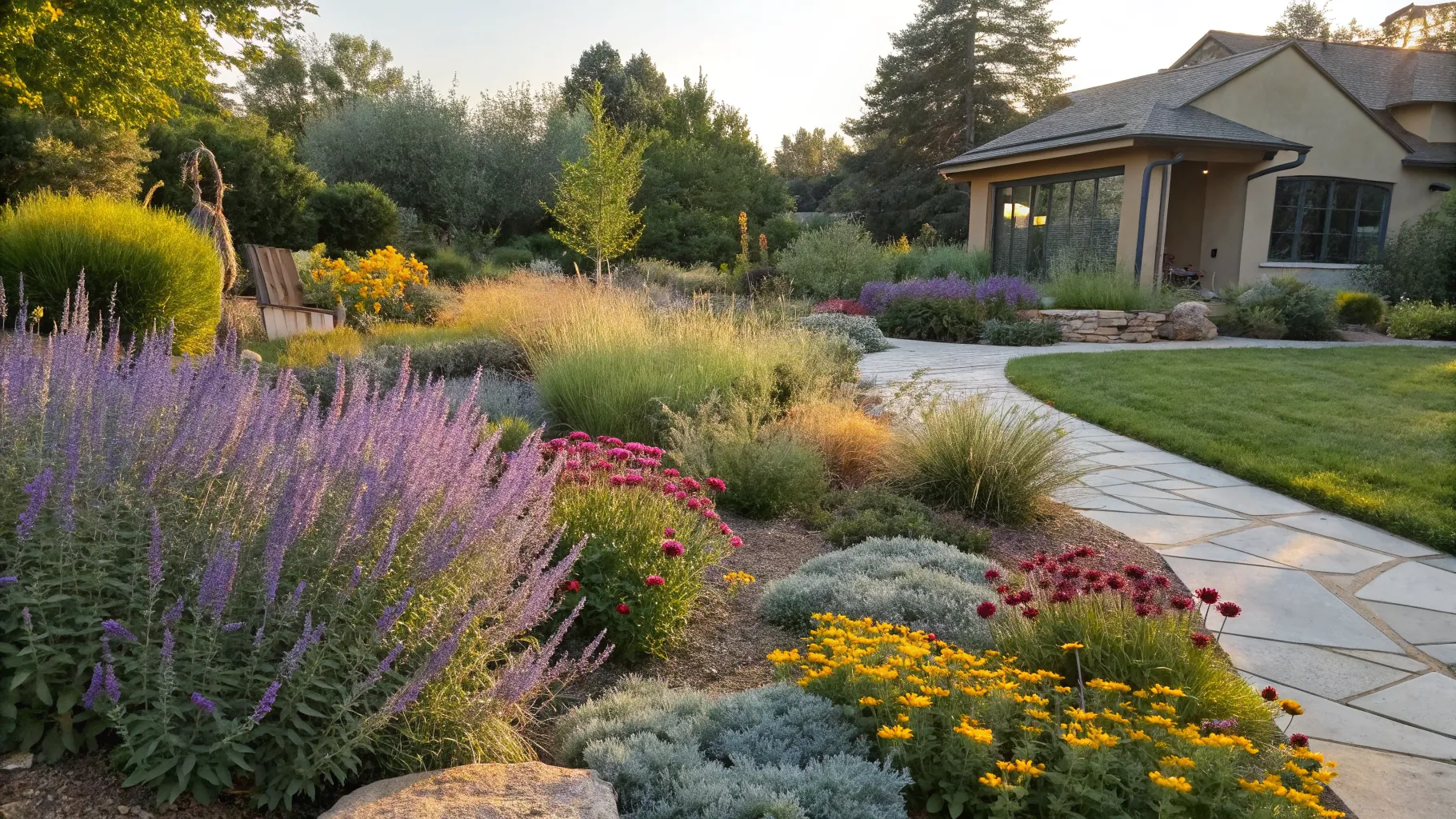
Our Top 10 Picks for Low Water Garden Plants
Here are 10 drought-tolerant plants for busy gardeners that will add color, texture, and life to your landscape without demanding constant attention or watering. These selections are known for their resilience and beauty in even the toughest conditions.
1. Lavender (Lavandula)
Famous for its fragrant purple spikes and silvery-green foliage, Lavender is a cornerstone of any water-wise garden. This Mediterranean native thrives in full sun and well-drained soil, making it one of the most popular drought tolerant plants. Once established, it requires very little watering and is highly resistant to pests and deer. Its calming scent and beautiful flowers are an added bonus, attracting pollinators like bees and butterflies to your garden.
2. Sedum (Stonecrop)
Sedums are a diverse group of succulents that come in a vast range of shapes, sizes, and colors. From low-growing groundcovers to upright varieties, they are incredibly hardy dry climate plants. Their fleshy leaves store water, allowing them to withstand long periods of drought with ease. They are perfect for rock gardens, borders, or containers and provide interest throughout the seasons, often with flowers appearing in late summer or fall.
3. Agave
For a dramatic and architectural statement, look no further than Agave. These succulents form striking rosettes of thick, fleshy leaves, often with sharp tips. They are the epitome of low water garden plants, thriving in heat and sun with minimal care. Agaves store water in their leaves and have extensive root systems to capture any available moisture, making them perfectly suited for arid conditions and a must-have for a bold, modern garden design.
4. Russian Sage (Perovskia atriplicifolia)
With its airy plumes of lavender-blue flowers and silvery foliage, Russian Sage adds a soft, cloud-like texture to the garden. It is exceptionally tough and thrives on neglect, preferring full sun and poor, dry soil. This perennial is a fantastic choice for water wise gardening, as it is highly drought-tolerant once established and provides a long season of color from mid-summer until frost.
5. Yarrow (Achillea)
Yarrow is a hardy perennial known for its flat-topped clusters of flowers that come in a variety of colors, including yellow, white, pink, and red. It's a workhorse in the garden, tolerating heat, drought, and poor soil without complaint. Yarrow's feathery, fern-like foliage adds a delicate texture, making it a wonderful companion for other drought tolerant plants. It's also a great plant for attracting beneficial insects.
6. Coneflower (Echinacea)
A classic prairie native, Coneflower is celebrated for its daisy-like flowers with prominent central cones. While they appreciate some water to get established, they develop deep taproots that make them exceptionally drought-tolerant. These beloved perennials are perfect for adding a splash of color to any list of 10 drought-tolerant plants for busy gardeners and are a favorite of pollinators.
7. Rosemary (Salvia rosmarinus)
More than just a culinary herb, Rosemary is a tough, evergreen shrub that excels in dry conditions. Its needle-like leaves are wonderfully aromatic, and it produces small blue flowers that are attractive to bees. Rosemary loves sun and well-drained soil, making it an excellent choice for a low-maintenance, fragrant hedge or accent plant in a garden focused on low water garden plants.
8. Gaillardia (Blanket Flower)
If you're looking for non-stop color, Gaillardia is an outstanding choice. These cheerful, daisy-like flowers bloom profusely from summer to fall in vibrant shades of red, orange, and yellow. They are native to dry, sunny prairies, so they are naturally adapted to heat and drought. Blanket Flowers are true dry climate plants that perform best in full sun and soil that is not overly enriched.
9. Yucca
Yuccas bring a bold, architectural element to the landscape with their sword-like leaves and towering spikes of white, bell-shaped flowers. They are extremely resilient and thrive in some of the hottest, driest conditions imaginable. As quintessential drought tolerant plants, they require virtually no supplemental water once established and can provide a strong focal point in a xeriscaped garden.
10. Verbena
Verbenas are known for their long bloom time and clusters of small, vibrant flowers. Many varieties, especially perennial types like Verbena bonariensis, are remarkably drought-tolerant. They add an airy, cottage-garden feel and are excellent for attracting butterflies. Their resilience makes them a fantastic final addition to our list of 10 drought-tolerant plants for busy gardeners.
Choosing the Right Dry Climate Plants for Your Space
When planning your garden, it's crucial to consider more than just a plant's drought tolerance. Analyze your garden's specific conditions. For instance, succulents like Agave and Sedum are perfect for areas with intense, all-day sun and sandy soil, while perennials like Coneflower and Yarrow might appreciate a little afternoon shade in the hottest climates. The key to successful water wise gardening is matching the right plant to the right place. Grouping plants with similar water and sun needs together, a practice known as hydrozoning, makes maintenance even easier. This strategic approach ensures your collection of low water garden plants not only survives but thrives, creating a cohesive and beautiful landscape.
Tips for Successful Water-Wise Gardening
- Improve Soil Drainage: Most drought tolerant plants hate 'wet feet'. Amend heavy clay soils with compost or sand to improve drainage and prevent root rot.
- Mulch Generously: Apply a 2-3 inch layer of organic mulch like wood chips or bark around your plants. Mulch helps retain soil moisture, suppresses weeds, and keeps the soil cool.
- Water Deeply, Infrequently: When you do water, especially during the first year of establishment, water deeply to encourage deep root growth. This makes plants more resilient during dry spells than frequent, shallow watering.
- Group Plants by Water Needs: Place plants with similar water requirements together. This is the core principle of water wise gardening and prevents over-or-underwatering plants within the same zone.
Frequently Asked Questions
What are the best drought tolerant plants for full sun?
Many of the best drought tolerant plants thrive in full sun. Species like Agave, Yucca, Lavender, Rosemary, and Sedum are excellent choices as they are naturally adapted to hot, sunny, and dry conditions. They require at least 6-8 hours of direct sunlight to perform their best.
How often do you need to water low water garden plants?
Once established (which can take a full growing season), most low water garden plants require very little supplemental watering. In many climates, normal rainfall is sufficient. During prolonged, extreme droughts, a deep watering every 3-4 weeks may be necessary. Always check the soil moisture a few inches down before watering.
Can I have a colorful garden with only dry climate plants?
Absolutely! A common misconception about water wise gardening is that it results in a bland, colorless landscape. Plants like Gaillardia (Blanket Flower), Yarrow, Coneflower, and Lavender provide a stunning array of vibrant colors, from fiery reds and yellows to cool purples and blues, ensuring your garden is full of life and color all season long.
References
- Information sourced from horticultural experts and botanical garden publications on water-wise gardening.
- Data compiled from studies on xeriscaping and sustainable landscaping practices.