10 Drinks to Avoid During Pregnancy for Safe Health
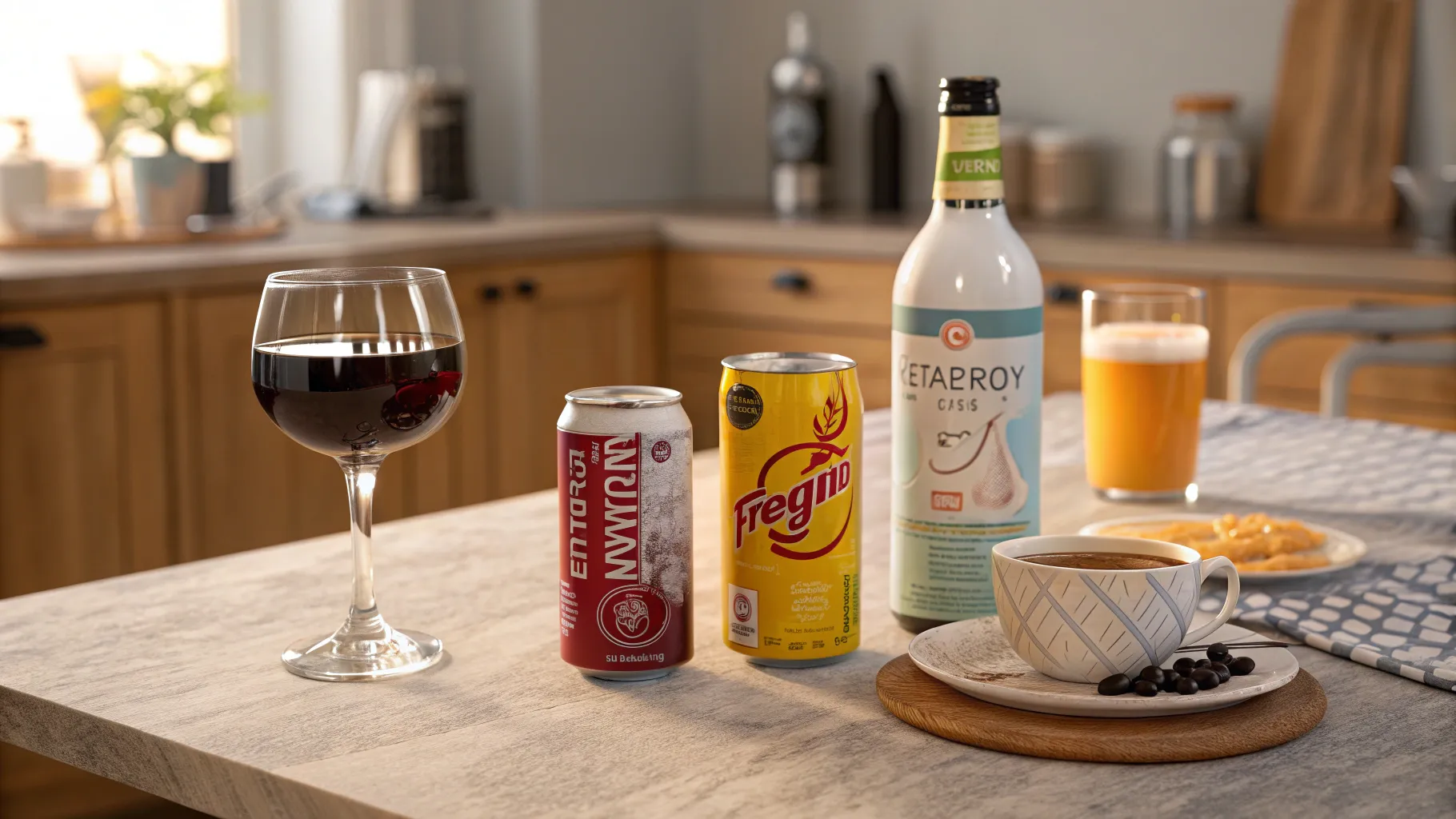
10 Drinks to Avoid When Pregnant
Pregnancy is a beautiful journey, marked by anticipation and the joy of bringing new life into the world. However, it comes with vital decisions, particularly about diet and beverages. Understanding which drinks to avoid during pregnancy is crucial for ensuring both the mother's and the baby's health. Here we explore 10 drinks to avoid while pregnant for a safe and healthy experience.
1. Alcoholic Beverages
First and foremost, alcohol is the clear front-runner on the list of drinks to avoid. Extensive research has linked alcohol consumption during pregnancy to fetal alcohol spectrum disorders, which can manifest as developmental delays and physical complications in children. Even the smallest amounts of alcohol can have harmful effects, making it essential for pregnant women to completely abstain from alcoholic beverages until after their baby arrives.
2. Caffeinated Drinks
Caffeine is another substance that deserves caution. Many pregnant women find themselves reaching for coffee or energy drinks, but research suggests that high caffeine intake—more than 200 mg per day—can significantly increase the risks of miscarriage, as well as low birth weight. Consider switching to decaffeinated options or herbal teas that are safe for pregnancy, allowing you to enjoy a warm drink without compromising your health.
What to Drink Instead
- Herbal teas such as ginger or peppermint (ensure they are pregnancy-safe)
- Fruit-infused water to stay hydrated and satisfied
- Nutrient-rich milk or plant-based drinks
3. Sugary Soft Drinks
Sugary soft drinks are another category to be wary of. According to recent studies from the National Institutes of Health, consumption of high-sugar beverages can lead to excessive weight gain, gestational diabetes, and various other complications during pregnancy. This includes not only traditional soda but also fruit-flavored drinks that often contain hefty doses of sugar. Try substituting with sparkling water flavored with fresh fruits or herbs.
4. Unpasteurized Juices and Dairy Products
Fresh juices and dairy products are staples in many diets, but it’s vital to ensure they are pasteurized during pregnancy. Unpasteurized items can carry harmful bacteria such as E. coli and Listeria, posing serious risks for both the mother and the developing baby. Always pick pasteurized juices and dairy to minimize these risks, ensuring a safe supply of nutrients.
5. Energy Drinks
Energy drinks are increasingly popular, but they are packed with caffeine and various stimulants that can elevate heart rates and blood pressure, leading to dehydration and increased anxiety, as noted by the American Pregnancy Association. It’s much safer to energize your day with natural alternatives like homemade smoothies or blended fruit juices, which are nourishing and revitalizing.
6. Excessively Spiced Beverages
While a little spice can enhance the flavor profiles of drinks, excessively spiced beverages can create digestive issues. Ingredients such as ginger may provide some benefits when taken in moderation, but highly concentrated versions can be harmful. Always consult with your healthcare provider before consuming any drinks that contain strong spices or herbs to ensure they are safe for you and your baby.
7. High-Sodium Drinks
Some vegetable juices may contain unexpectedly high levels of sodium, which pregnant women should monitor closely. High sodium intake can lead to fluid retention and elevated blood pressure, both of which can complicate pregnancies. Reading labels becomes essential: stick to low-sodium alternatives and maintain a balanced diet to promote optimal health during this crucial time.
8. Coconut Water (in Excess)
Coconut water is often hailed as a super drink, known for its hydrating properties and electrolytes. However, moderation is key. Drinking coconut water in excessive amounts can lead to an overload of potassium in the body, potentially leading to unwanted side effects. Enjoy it as part of a diverse hydration strategy, combining it smartly with plain water and herbal teas.
9. Alcohol-Removed Beverages
While non-alcoholic beers and wines are marketed as alcohol-free, they often contain trace amounts of alcohol. This can be problematic, especially during pregnancy, since even small quantities may pose risks. Always read labels carefully and consider alternative options that are explicitly designated as alcohol-free.
10. Herbal Remedies and Supplements
Finally, not all herbal drinks and remedies are safe during pregnancy. Some herbs can potentially stimulate the uterus or disrupt hormonal balance, leading to complications. It’s imperative for expecting mothers to discuss herbal drinks or supplements with a healthcare provider before making any additions to their diet as a proactive measure to safeguard their health and that of their unborn child.
Final Thoughts
Pregnancy is a time filled with anticipation and responsibility, especially concerning what to eat and drink. The beverages highlighted above should be avoided for a healthier pregnancy experience. Your choices matter greatly, not just for your own well-being but for your baby’s development as well. Focus on hydrating wisely and consuming drinks that provide both safety and nourishment. For personalized advice, always consult your healthcare professional, ensuring that you make the best choices as you embark on this incredible journey of motherhood.