10 Drinks to Avoid During Pregnancy for a Healthy Baby
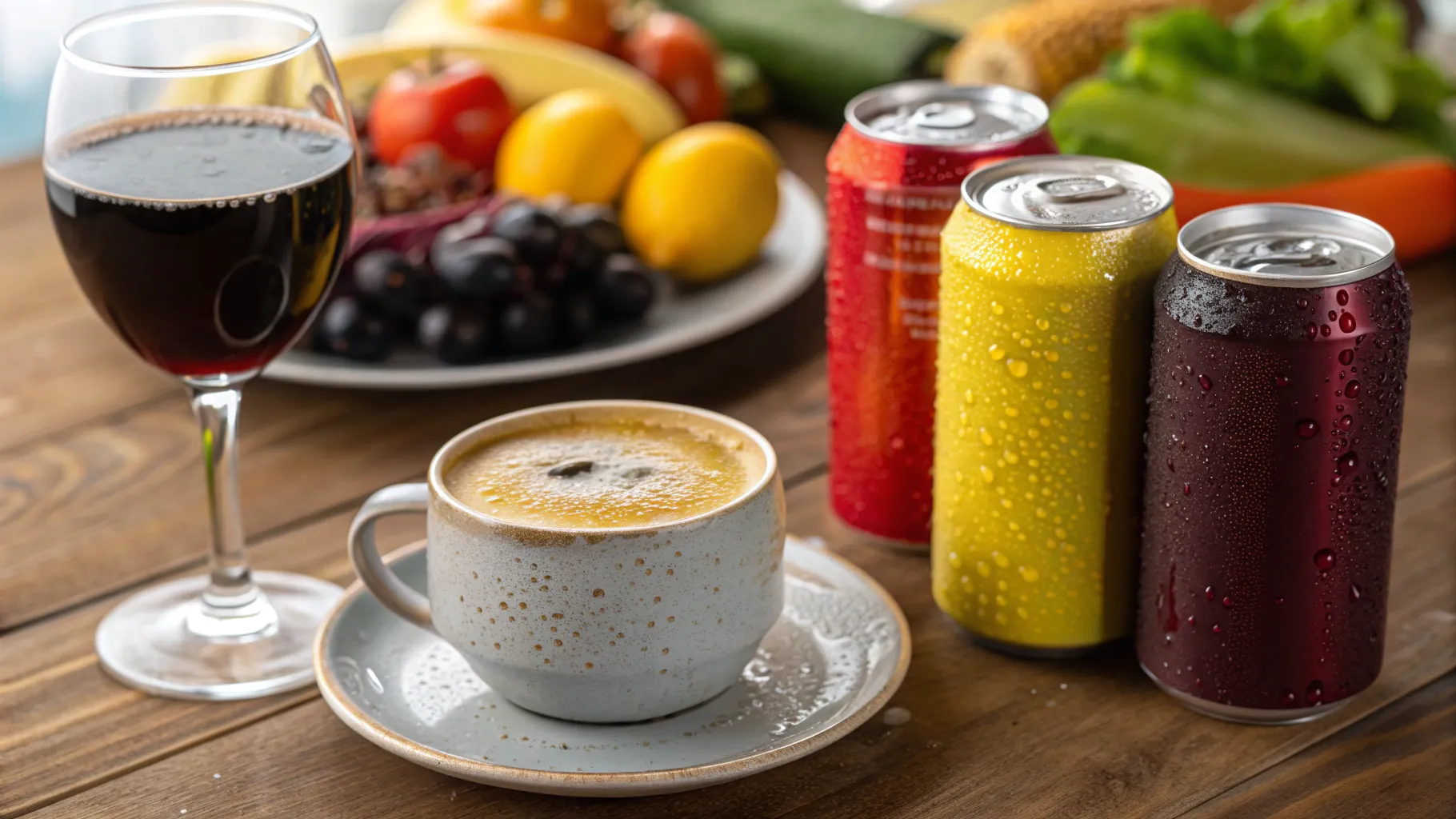
10 Drinks to Avoid During Pregnancy
Pregnancy is an incredibly rewarding journey, yet it comes with numerous lifestyle changes that are essential for the health of both mother and child. One of the most significant areas that require attention is what a pregnant woman consumes. While it's crucial to ensure a balanced intake of nutrients, there are certain drinks that should be avoided to safeguard the well-being of the developing fetus. In this article, we explore 10 drinks to avoid during pregnancy, detailing why these beverages are considered unsafe.
Caffeinated Beverages
Caffeine is a common ingredient in many drinks, from coffee to some teas and soft drinks. High caffeine consumption during pregnancy is linked to increased risks of miscarriage and low birth weight. While some studies suggest that moderate caffeine intake (around 200 mg per day) may be acceptable, it’s best to err on the side of caution. This means you might consider limiting or avoiding:
- Coffee: An 8-ounce cup can contain over 95 mg of caffeine.
- Tea: Black and green teas can also add significant caffeine to your daily intake.
- Sodas: Many soft drinks contain caffeine, alongside added sugars that can lead to excessive weight gain.
Alcoholic Beverages
It’s a well-established fact that alcohol consumption during pregnancy poses serious risks to fetal development. Drinking alcohol can lead to fetal alcohol syndrome, a condition that can cause physical and developmental problems for the child. No safe level of alcohol consumption has been identified, making complete abstinence the safest choice. This includes:
- Beer: Even non-alcoholic beer can contain up to 0.5% alcohol.
- Wine: All varieties, including red, white, and sparkling wine, should be avoided.
- Spirits: Hard liquors are particularly high in alcohol content and should be completely off-limits.
Unpasteurized Juices and Dairy
While fruit juices can be a great source of vitamins, consuming unpasteurized varieties poses risks of foodborne illnesses, which can be more intricate during pregnancy. Unpasteurized beverages may harbor harmful bacteria such as Listeria and Salmonella, which could lead to serious complications. Opt for pasteurized options only. Likewise, unpasteurized dairy products can pose similar risks. It’s wise to steer clear of:
- Freshly squeezed juices: If it’s not pasteurized, it could be unsafe.
- Raw milk: Always choose pasteurized options to eliminate risk.
Energy Drinks
Energy drinks are popular for their quick energy-boosting effects, but they contain caffeine and other stimulants that can be harmful during pregnancy. Many also include high levels of sugar and other additives that are not conducive to a healthy pregnancy. Instead of reaching for these quick fixes, it’s better to look for natural alternatives, such as:
- Fresh fruit smoothies: Packed with nutrients and energy-boosting properties.
- Herbal teas: Many herbal options can provide a calming effect without the caffeine.
Sweetened Beverages
High sugar intake is primarily concerning during pregnancy as it can lead to gestational diabetes and excessive weight gain. Drinks high in added sugars can also contribute to mood fluctuations, energy crashes, and cravings. Pay attention to beverages such as:
- Soft drinks: Regular sodas are high in sugar and provide no nutritional value.
- Commercial fruit juices: Even 100% juice can contain high amounts of sugar.
- Sports drinks: Often marketed as healthy, many contain added sugars that can spike blood glucose levels.
Flavored Water and Seltzer
While staying hydrated is vital, flavored waters can contain artificial sweeteners and added sugars that may not be safe during pregnancy. Seltzers and sparkling waters can also include citric acid, which may exacerbate morning sickness for some women. It’s better to stick with:
- Pure water: This should be your primary source for hydration.
- Infused water: Use fresh fruits and herbs to add flavor without additives.
Herbal Teas
While some herbal teas can be beneficial during pregnancy, many are not safe or researched extensively. Certain herbs can cause uterine contractions or other issues that could risk the pregnancy. Avoid herbal teas that include:
- Chamomile: Though calming, high amounts may not be safe.
- Ginger: Moderate intake is fine, but high doses could lead to adverse effects.
- Licorice root: This can lead to an imbalance of hormones, which can affect the pregnancy.
Artificially Sweetened Drinks
Drinks containing artificial sweeteners, such as aspartame and sucralose, are topics of debate among health professionals regarding their safety during pregnancy. Some studies point to potential risks, while others deem them safe if consumed in moderation. However, choosing whole foods and natural ingredients tends to be the best approach during pregnancy. Avoid:
- Diet sodas: These often contain artificial sweeteners.
- Low-calorie flavored waters: As mentioned before, these can have artificial additives.
Unfamiliar Herbal Drinks
Lastly, unfamiliar herbal drinks or concoctions marketed for health benefits can pose risks because many haven’t been studied in pregnant women. Always consult your healthcare provider before trying new herbal blends, and avoid untested products. Staying with well-known and researched options ensures a safer journey for both mother and baby.
Making informed choices about what you drink while pregnant protects the health of your baby. Understanding which beverages are not safe for pregnant women is crucial in ensuring a healthy and balanced pregnancy. Always consult with your healthcare provider before making significant changes to your diet, and remember – hydration is key, but safety comes first!