10 Dog Breeds to Avoid When You Have Children
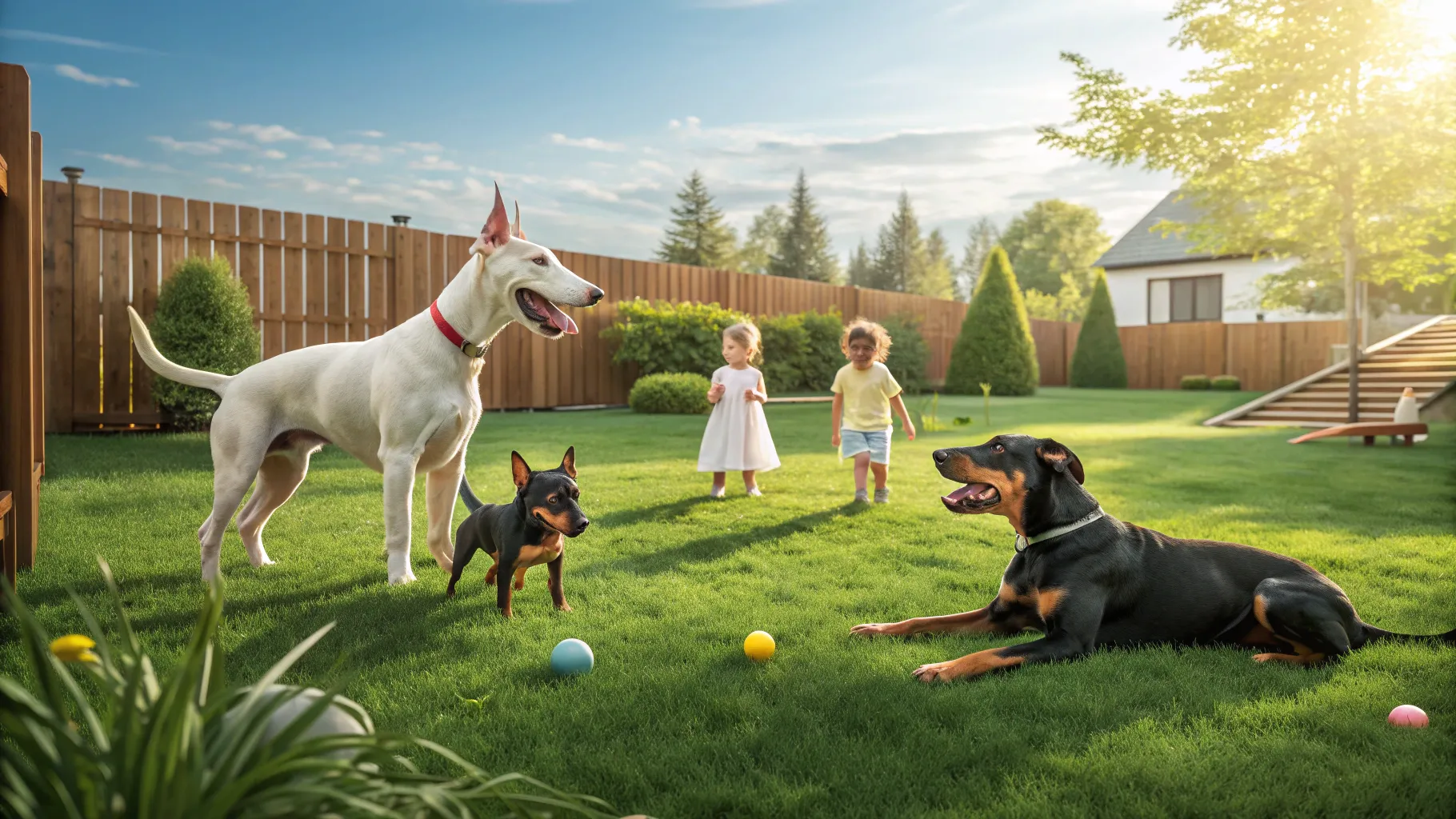
10 Dog Breeds to Avoid for Families with Children
Bringing a dog into your family can be an enriching experience, especially when you have children. However, not all dog breeds are suitable for households with kids. Certain breeds are often labeled as tricky due to their energy levels, size, or temperament, which can pose challenges in homes with young children. This article aims to inform families about the 10 dog breeds that may be difficult for families with children to manage, helping you make an educated choice when selecting a furry companion.
1. Bull Terrier
While Bull Terriers are known for their fun-loving nature, they can be quite stubborn and strong-willed. This breed has a high energy level, and their playful behavior can sometimes translate into rough play, which may not be ideal for younger children. In 2025, it's important to remember that effective training and consistent boundaries are a must for this breed, given their powerful build.
2. Doberman Pinscher
Dobermans are intelligent and loyal dogs, but their strong protective instincts can create challenging situations. They often have a high prey drive which may ignite during interactions with smaller children or pets. Statistically, reports from 2024 indicated that Dobermans are involved in more than 5% of dog bite incidents involving children annually. Thus, their management requires careful supervision.
3. Rottweiler
Rottweilers are known for their strength and loyalty. However, without proper training and socialization, they can become overly protective or aggressive, which may pose risks for young children. It is advised that families consider a Rottweiler only if they have the time and ability to invest in thorough training and socialization.
4. Jack Russell Terrier
Although Jack Russells are small and can be charming companions, they are incredibly high-energy and often require more engagement than families with small children can provide. Their propensity for hyperactivity can lead to unintentional accidents or injuries if they’re not given enough outlets for their energy.
5. American Pit Bull Terrier
The Pit Bull is a breed that suffers from a strong stigma. While many are friendly and loving, they may not be the best choice for families with young children due to their power and potential for aggression if not trained correctly. It is crucial to be knowledgeable about their behavior to prevent any misuse of their strength.
6. Chow Chow
Chow Chows are known for their unique appearances and aloof personalities. While they can form bonds with family members, they are incredibly independent and can be unfriendly with strangers. This breed’s temperament often results in standoffish behavior that may not align well with the abundant energy of children.
7. Alaskan Malamute
Malamutes are impressive sled dogs with a high energy requirement and strong pack instincts. Their tendency to roam and challenge authority can be problematic in a family setting. They're great if the family is active and can spend ample time exercising them, but that might not suit all households, particularly those with very young kids.
8. Standard Poodle
Standard Poodles are typically well-mannered and intelligent; however, they can become overly excited and jumpy, especially during play. In families where children are learning to respect personal space, these large dogs may unintentionally cause accidents due to their exuberance. Furthermore, their grooming needs can be time-consuming, making them a less manageable option for busy families.
9. German Shepherd
German Shepherds are one of the most popular breeds today, known for their intelligence and protective nature. However, they need extensive training and socialization to be safe around young children. Without it, their natural instincts can lead to unwanted aggression and possessiveness, making them unsuitable for families without the ability to invest time in their training.
10. Siberian Husky
Siberian Huskies are beautiful, energetic dogs, but they possess an independent streak that can make them challenging for families with kids. Their strong prey drive and tendency to wander off can lead to potential accidents. As active dogs commonly associated with escape artistry, constant supervision is vital if they’re to be integrated into a family with children.
Commonly Avoided Dogs for Households with Kids Explained
The breeds listed above exemplify those that may present challenges in a family setting. Factors such as energy levels, size, temperament, and training needs significantly influence whether or not they might coexist safely with children. Many of these dogs, despite their quirks and potential difficulties, can thrive in environments where their owners have a strong understanding of canine behavior and are committed to their training and socialization.
The importance of educating oneself about a breed’s characteristics cannot be overstated. For example, the American Veterinary Medical Association reports that approximately 4% of children experience dog bite injuries each year, and many of these incidents could be avoided by selecting the right breed for your family. Knowing the right fit for your household can lead to harmonious living between dogs and kids.
In 2025, it is crucial for families to carefully assess their lifestyles, resources, and the environment when considering a dog. The right choice can provide love, companionship, and joy, while the wrong choice may lead to significant issues. Engaging with a reputable breeder or rescue organization can help clarify which breeds may best fit your family's needs.