"Avoid 10 Common Grocery Mistakes for Seniors"
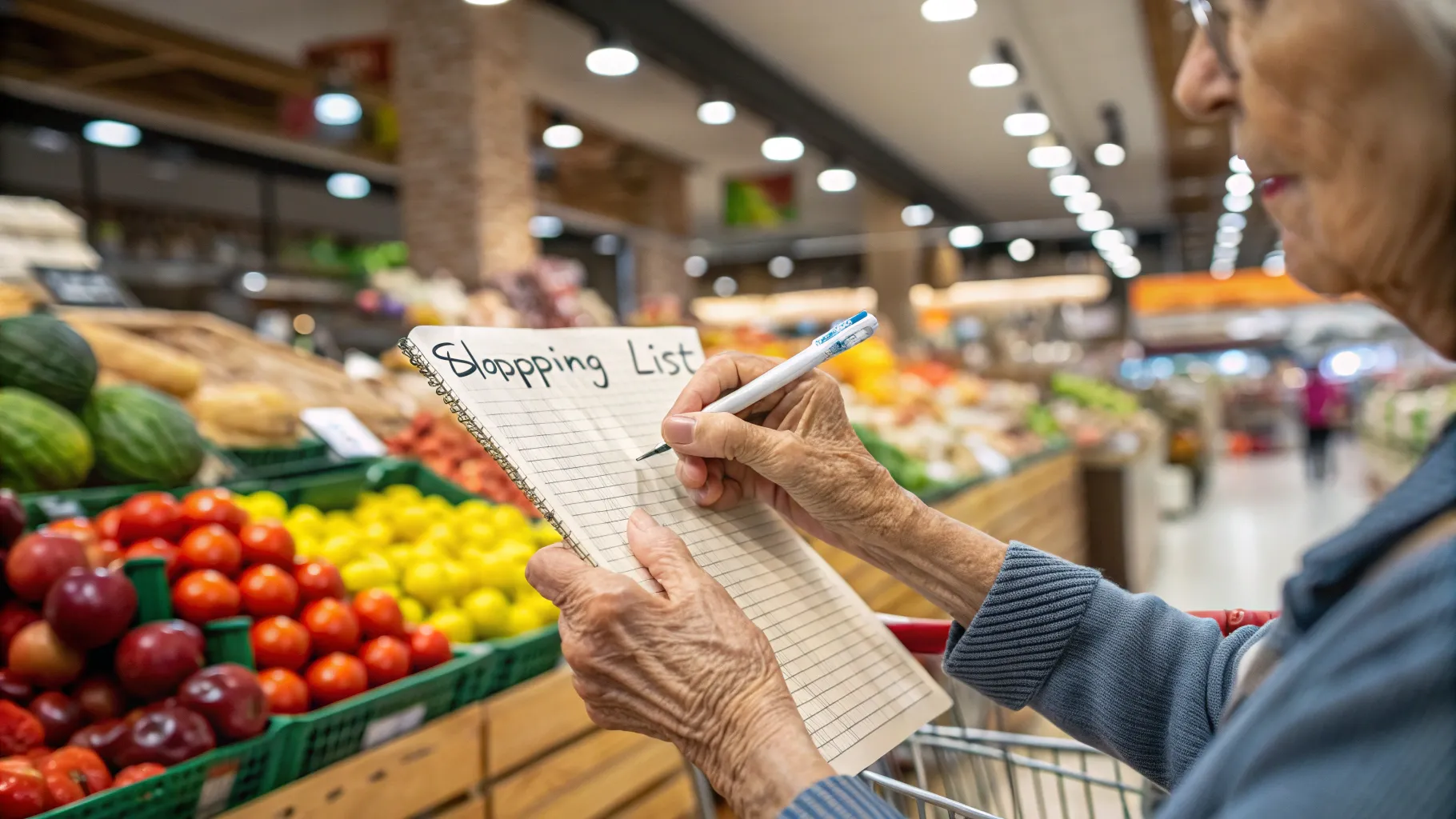
Common Grocery Mistakes Seniors Make and How to Avoid Them
Grocery shopping can be a formidable task for many people, and for seniors, it often presents unique challenges. Navigating through the maze of products, deals, and nutritional information available at a supermarket can be overwhelming. Add to this the need to maintain a budget, something many seniors on fixed incomes must prioritize, and one can see how even a simple shopping trip can become fraught with difficulty. In 2025, smarter shopping is not just a choice—it's a necessity, especially with food prices showing consistent increases.
Shopping Strategies to Keep Your Budget in Check
The pressure to make the most of every dollar spent is a constant concern for seniors. It's not uncommon for small oversights to snowball into bigger financial burdens. Here are some key strategies to maintain financial prudence while shopping:
1. Importance of Meal Planning
One of the essential habits anyone can form is meal planning. By creating a weekly or even monthly meal plan, seniors can avoid spur-of-the-moment purchases and have a clearer idea of what they truly need. According to the National Institute on Aging, older adults who plan their meals tend to save an average of 20% on grocery bills. This simple strategy allows for more structured shopping trips and minimizes impulse buys, which often result in buying more than necessary or splurging on unhealthy options.
2. Timing is Everything: Avoid Shopping While Hungry
"Your eyes are bigger than your stomach" is a phrase that rings especially true when grocery shopping on an empty stomach. Research shows that individuals who shop when they are hungry tend to spend more and make poorer food choices, often gravitating towards sugary or fatty snacks. To avoid this, make sure to eat a small snack before heading out. A full stomach can help keep your mind focused on the shopping list and prevent unnecessary purchases.
Maximizing Discounts and Offers
With savvy use of technology and awareness, seniors can take advantage of numerous discounts that can ease financial pressures. Shopping smart is not just about avoiding pitfalls—it's about harnessing opportunities for savings.
1. Unlocking the Power of Promotions
Special deals, discounts, and sales are a significant component of regular grocery shopping, yet they can easily be missed. By subscribing to store newsletters or downloading shopping apps, seniors can keep up with the latest deals. One notable example is Mr. Morris, a retired teacher from Ohio, who recorded savings of up to 40% on his grocery bill simply by using his store’s app and checking online flyers regularly.
2. Safe Bulk Buying
Though bulk buying is generally recommended for cost savings, it is crucial to approach it with caution. Many seniors fall into the trap of buying in large quantities only to end up discarding expired items later. The solution? Focus on non-perishables and items that are consistently used. Consider teaming up with friends or neighbors to split costs and portions, making bulk buying a viable option without the eventual waste.
Making Healthier and Smarter Food Choices
Shopping smartly entails more than just saving money—it involves making decisions that can impact health positively, a vital part of aging well.
1. Exploring Store Brands
In many instances, store brands offer the same quality as well-known brands but at a fraction of the price. Transitioning to these options can result in considerable savings. In fact, choosing store brands for staples such as grains and dairy products can cut costs by up to 30%, providing ample opportunity to experiment without compromising quality.
2. Critically Analyzing Nutrition Labels
As age increases, so does the importance of carefully selecting foods based on their nutritional content. High sodium and sugar intake is linked to several health issues prevalent among seniors. Learn to read and understand nutrition labels, and compare products to make choices that align with dietary needs. As a tip, look for labels that emphasize "low sodium" or "no added sugar" options.
Leveraging Technology and Community Support
Finally, making use of the technology available can elevate the efficiency and ease of the shopping experience. More seniors are turning to online shopping options and delivery services. These services can be particularly beneficial for those with restricted mobility or health concerns, allowing them to shop from the comfort of their homes while accessing the best deals online.
Moreover, loyalty programs are an underutilized gem. By enrolling in these programs, seniors can accumulate points for every dollar spent, eventually earning discounts or free items. For example, the recent update by StoreBuddy claims that its users save approximately $200 annually through loyalty rewards alone.
Shopping doesn't have to be a daunting task. By employing smart strategies, being aware of savings opportunities, and making health-conscious choices, seniors can navigate the grocery aisles with confidence. Small adaptations make a substantial difference in health and expenses, ensuring seniors can enjoy a stress-free and rewarding shopping experience.