10 Budget Friendly Grocery Habits for Seniors: Your Guide to Savings
Facts:
- Planning meals can reduce food waste by up to 20%.
- A growing trend is seniors using digital coupons for groceries.
Unlock Savings in Every Aisle: Smart Grocery Habits for Seniors
Navigating the grocery store on a fixed income can feel challenging, but with the right strategies, it can become a manageable, and even empowering, experience. Adopting a few key budget friendly grocery habits for seniors can dramatically reduce your weekly food expenses without sacrificing nutrition or quality. This guide is designed to provide practical, easy-to-implement budget grocery tips for seniors that focus on planning, smart shopping, and making the most of every dollar. By refining your senior grocery shopping habits, you can ensure your pantry is stocked, your meals are healthy, and your budget remains intact.
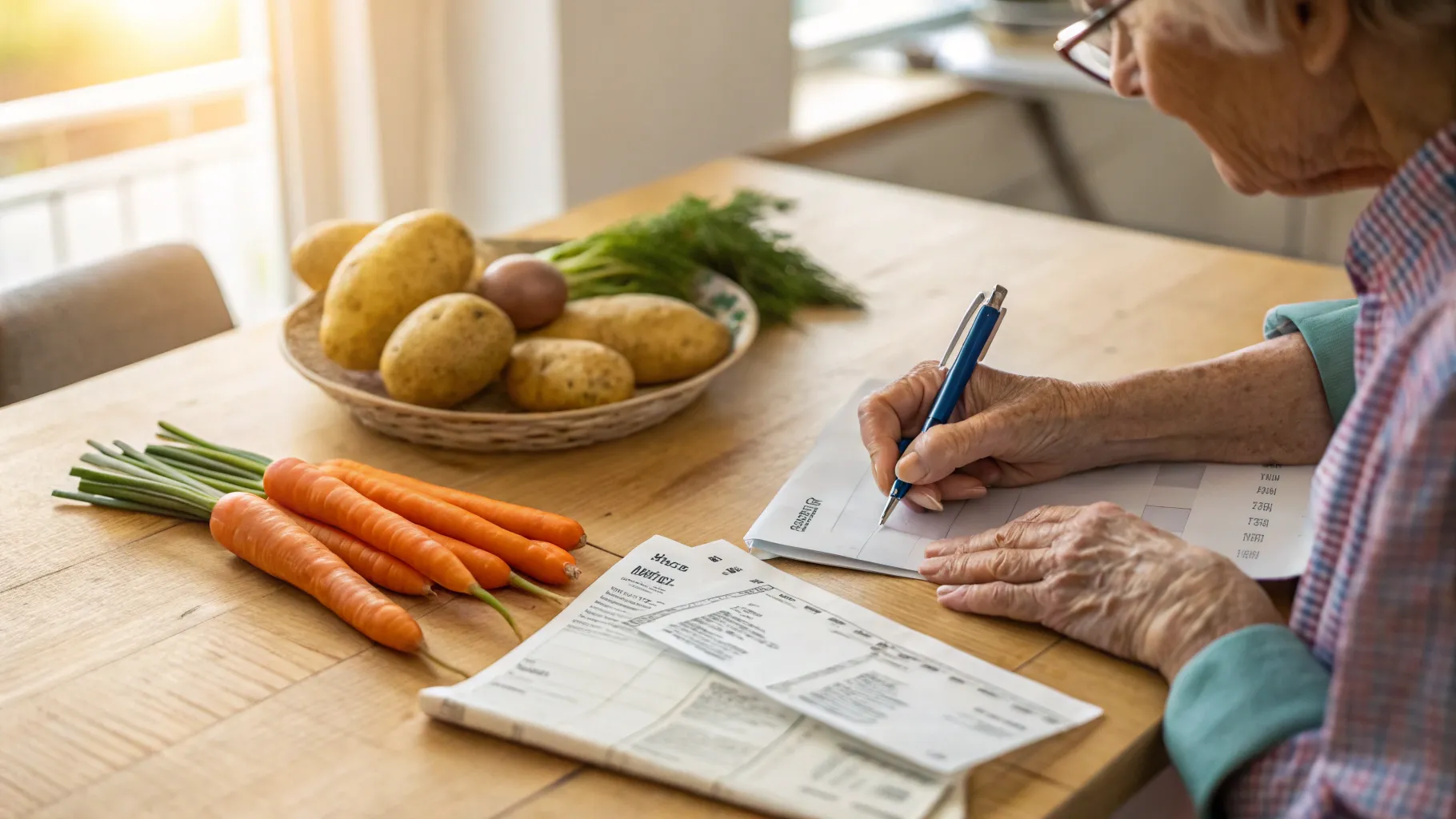
The Top 10 Budget Friendly Grocery Habits for Seniors
Incorporating these habits into your routine will transform your approach to shopping. This is the cornerstone of affordable grocery planning seniors can rely on for consistent savings. Each tip is a step towards more cost conscious food shopping seniors can practice for long-term financial well-being.
1. Create a Detailed Weekly Meal Plan
Before you even think about creating a grocery list, you must plan your meals for the week. This single habit is the most effective of all budget grocery tips for seniors. Look at what you already have in your pantry, fridge, and freezer. Plan breakfasts, lunches, dinners, and snacks around these existing items to minimize waste. A meal plan prevents impulse buys and ensures every item you purchase has a specific purpose. This structured approach is fundamental to successful affordable grocery planning seniors can master.
2. Shop with a Strict Grocery List
Once your meal plan is set, create a grocery list based ONLY on the ingredients you need. A list is your best defense against marketing tactics designed to encourage impulse purchases. Stick to it religiously. This discipline reinforces good senior grocery shopping habits and keeps you focused on your needs, not your wants. This is a critical element of cost conscious food shopping seniors should never ignore.
3. Embrace Store Brands and Generics
Many shoppers are loyal to name brands, but store brands (or generics) often offer identical quality for a fraction of the price. The ingredients are frequently the same, just with different packaging. Make it a habit to compare the unit price of store brands versus name brands. This simple switch can lead to significant savings over time and is one of the easiest 10 budget friendly grocery habits for seniors to adopt.
4. Utilize Coupons and Loyalty Programs
Don't dismiss the power of coupons, whether they are digital or from the Sunday paper. Many stores also have loyalty programs that offer exclusive discounts and points that can be redeemed for savings. Check store flyers weekly to see what's on sale and plan your meals around those discounted items. Combining sales with coupons maximizes your savings potential.
5. Shop Seasonal Produce
Fruits and vegetables that are in season are more abundant and therefore cheaper. They also tend to be fresher and more flavorful. Farmers' markets can be an excellent source for seasonal produce at a lower cost than large supermarkets. Learning what's in season is a smart strategy for cost conscious food shopping seniors.
6. Buy in Bulk Wisely
Buying in bulk isn't always the best option, especially for single or two-person households. However, for non-perishable items like pasta, rice, canned goods, and paper products that you use regularly, bulk purchasing can be a great money-saver. Always check the unit price to ensure the bulk size is genuinely a better deal. This is a key part of smart affordable grocery planning seniors should consider.
7. Understand Unit Pricing
The shelf tag often shows more than just the total price; it shows the unit price (e.g., price per ounce or per 100 grams). This is the best way to compare the true cost of different package sizes or brands. A larger package might seem cheaper, but the unit price will reveal the real value. Mastering this is a vital skill for effective senior grocery shopping habits.
8. Don't Shop When Hungry
This is a classic but crucial tip. Shopping on an empty stomach makes you more susceptible to impulse buys, especially for unhealthy snacks and expensive prepared foods. Have a meal or a healthy snack before you head to the store to ensure you can stick to your list with a clear mind. This simple psychological trick supports all other budget grocery tips for seniors.
9. Look High and Low on Shelves
Grocery stores strategically place the most expensive, high-profit items at eye level. Make it a habit to look at the top and bottom shelves. You will often find better deals and store-brand alternatives in these less prominent spots. This simple change in perspective can yield surprising savings on your regular purchases.
10. Cook at Home and Utilize Leftovers
Eating out and buying prepared meals are significant budget drains. Cooking at home is almost always cheaper and healthier. Plan to cook meals that can provide leftovers for lunch the next day. Repurposing leftovers into new dishes, like turning leftover chicken into a soup or salad, stretches your food budget even further and is one of the most impactful of the 10 budget friendly grocery habits for seniors.
Store Brands vs. Name Brands: A Cost-Conscious Comparison
A significant area for savings lies in choosing store brands over their name-brand counterparts. While marketing convinces us that brand names are superior, the reality is often different. For many staple items—like flour, sugar, salt, canned vegetables, pasta, and even some medications—the primary difference is the label and the price. The manufacturing standards are typically very similar. By adopting a mindset of being brand-agnostic, you can focus purely on value. Make it a habit to try the store brand of an item you frequently buy. In most cases, you won't notice a difference in taste or quality, but you will certainly notice the difference in your receipt. This is a cornerstone of cost conscious food shopping seniors can implement immediately for instant savings.
Putting Your Plan into Action: Weekly Grocery Strategy
Creating lasting change requires a consistent routine. Here is some actionable advice to solidify your new senior grocery shopping habits and ensure you are always getting the most for your money.
- Set a Weekly Budget: Determine a realistic amount you can spend on groceries each week and track your spending. This holds you accountable.
- Check Flyers First: Before you plan your meals, look at the weekly store flyers. Build your meal plan around the proteins and produce that are on sale.
- Prep Upon Return: When you get home from the store, wash and chop vegetables for the week. This makes cooking easier and reduces the temptation to order takeout.
- Freeze for the Future: Don't be afraid to use your freezer. If a staple item like bread or meat is on a deep discount, buy extra and freeze it. This is a key part of affordable grocery planning seniors use to lock in low prices.
Frequently Asked Questions
What is the single most effective budget grocery tip for seniors?
The most impactful habit is consistent meal planning. When you plan every meal for the week, you create a precise shopping list, eliminate impulse buys, use ingredients you already own, and significantly reduce food waste. It is the foundation for all other budget grocery tips for seniors.
How can seniors on a fixed income deal with rising food prices?
Focusing on staple, non-perishable goods, buying seasonal produce, utilizing coupons and loyalty programs, and choosing store brands are all effective strategies. Improving your senior grocery shopping habits by comparing unit prices and avoiding convenience foods can also offset the impact of inflation.
Are farmers' markets a good option for affordable grocery planning seniors?
They can be. While some artisanal items might be expensive, you can often find very fresh, seasonal produce for less than supermarket prices, especially if you go near closing time when vendors may offer deals. It's a great way to support local agriculture while practicing cost conscious food shopping seniors will appreciate.
References
- The National Council on Aging - Senior Nutrition and Food Assistance Guide
- AARP - Grocery Savings Tips for Older Adults
- USDA - Food Price Outlook Reports
- Consumer Reports - Store Brands vs. National Brands Analysis