10 Budget Challenges for Holiday Meal Preparation Tips
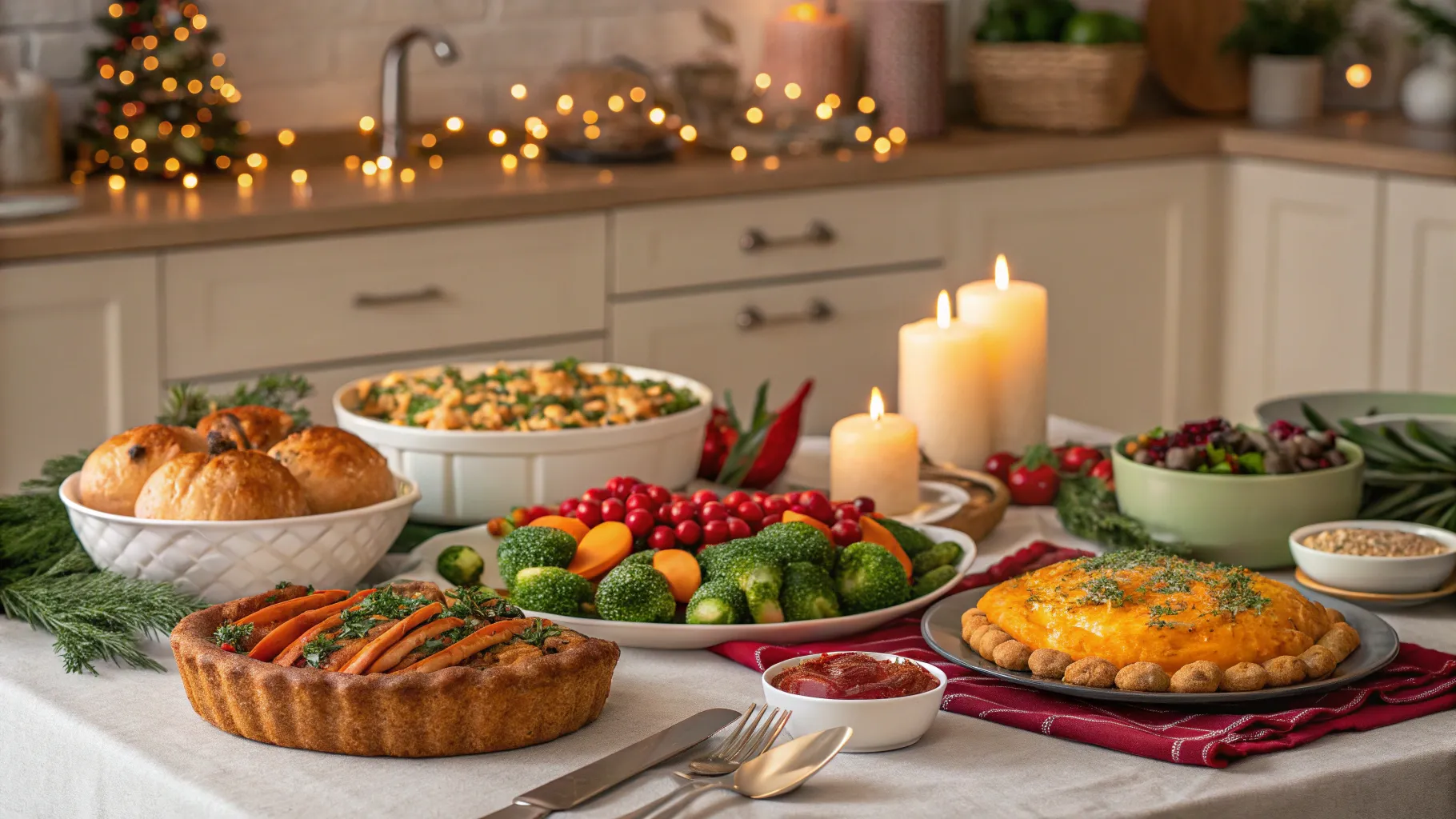
10 Budget Challenges Linked to Holiday Meal Preparation
The holiday season is a time filled with joy, family gatherings, and, of course, elaborate meals. However, the intention to bring everyone together around a beautifully prepared feast can quickly lead to financial stress. With inflation impacting seasonal food costs, it's crucial to navigate holiday cooking expenses strategically. Here, we explore ten budget challenges linked to holiday meal preparation and offer tips on how to handle them.
Understanding Seasonal Food Costs
During holidays, food prices typically experience a spike due to increased demand. Statistically, the USDA reports that food prices have risen by around 5% year over year, with holiday staples like turkeys and hams costing significantly more. As a result, families often find that their grocery budgets are stretched thinner during this festive period.
- Supply Chains: Supply chain disruptions continue to impact food availability and price. Many traditional holiday items might be harder to find or come at a premium cost.
- Inflation: General inflation affects everything from the cost of meat to groceries. In 2025, consider that the average price of a whole turkey can reach upwards of $1.89 per pound.
Being aware of these challenges is the first step toward meal preparation budgeting. While you want to serve the classics, you might need to make adjustments based on what's affordable and available.
1. Rising Costs of Ingredients
When planning a holiday meal, ingredient costs can be daunting. Seasonal items like cranberries, sweet potatoes, and fresh herbs may also carry higher prices. A wise approach is to track local grocery ads to find which stores offer sales on holiday essentials.
2. Last-Minute Purchases
Procrastination can be your financial enemy. Without advance planning, you might resort to last-minute purchases that often come with higher prices. In 2025, aim to finalize your menu and shopping list at least two weeks before the big day to take advantage of sales without succumbing to the convenience tax.
3. Overbuying Ingredients
One common mistake during holiday meal preparation is overbuying. It’s easy to get carried away with the idea of plentiful feasts, but overestimating the quantity of food can lead to leftovers that most families might not consume. This year, find a balance between variety and quantity. Consider a potluck approach, where guests bring a dish, helping to minimize your burden.
4. Delicacies and Specialty Items
While it’s enjoyable to add gourmet items to the holiday spread, these can eat up a chunk of your budget quickly. For example, premium cheeses or organic produce can often double the cost of a meal. Identify a few special touches that matter most to your family. Rather than splurging on every item, you can prioritize on a few crowd-pleasers and go for alternatives on those that are less critical.
5. Energy Costs of Cooking
Don't overlook the cooking-related energy expenses. As many Americans bake and roast during the holidays, energy consumption spikes. In 2025, energy prices have also continued to rise, meaning that every hour spent in the oven can add to your overall meal cost. Strategize by cooking multiple dishes at once or considering alternatives like slow cookers or air fryers that may consume less power.
6. Dietary Restrictions
Today’s gatherings often include diverse dietary preferences, such as vegetarian, gluten-free, or vegan options. Catering to everyone can be financially taxing; you may feel the need to prepare multiple main dishes. A creative way to deal with this is to adjust traditional recipes to accommodate various diets without creating entirely separate meals. For instance, a hearty vegan pumpkin soup can double as an appealing starter for all guests.
7. Waste Management
Food waste is an issue every household should address, especially during the holidays when meal preparation can yield excessive leftovers. In a 2025 survey, over 60% of respondents admitted to tossing out uneaten holiday food. To combat this, consider planning meals that use similar ingredients over a few days post-holiday or creating creative ways to repurpose leftovers into new dishes, preventing waste and saving costs.
8. Entertainment Costs
Holiday meals are often about more than just the food; they also entail decorations and entertainment, which can add up. To save without compromising the festive spirit, involve your family in creating DIY decorations, and utilize what you already have at home. Adding personal touches can enhance the atmosphere without inflating expenses.
9. New Recipes and Experimentation
Trying new recipes can be exciting, especially during holidays; however, that enthusiasm can lead to higher expenses due to the need for unique ingredients. Stick to tried-and-true recipes that your family loves while occasionally shaking things up with one experimental dish. This approach combines excitement with financial stability.
10. Impulse Buying
When strolling through the grocery aisles, holiday spirit can lead to impulse buying. Party supplies, festive snacks, and decorations often find their way into carts, inflating costs unexpectedly. Keep a strict shopping list and budget for any extras that grab your eye. Prioritize your must-have items to resist the urge to overspend.
Holiday meal preparation doesn't have to be a budget nightmare. By recognizing these ten budget challenges linked to holiday cooking expenses, you can make strategic decisions and plan ahead for a festive season filled with joy instead of financial stress. Remember, it’s not about how much you spend but how thoughtfully you celebrate the holiday with your loved ones. Happy cooking and joyous feasting!