10 Best Foods to Eat for Stronger Bones
A well-balanced diet is one of the most effective tools for building a strong, resilient skeletal system. While genetics and physical activity play significant roles, the nutrients you consume provide the essential building blocks for maintaining bone density throughout your life. Focusing on specific foods rich in calcium, vitamin D, and other key minerals can help protect your bones from becoming weak and brittle over time.
The Lifelong Importance of Bone Health
Your bones are dynamic, living tissues that are continuously breaking down and rebuilding. In your youth, your body builds new bone faster than it removes old bone, causing your bone mass to increase. Most people reach their peak bone mass around age 30. After that point, the remodeling process continues, but you begin to gradually lose more bone than you gain. A high peak bone mass provides a better reserve for later in life.
Maintaining bone health is not just about avoiding fractures. Strong bones support your body, protect your vital organs, and anchor your muscles. They also serve as a storage site for minerals, particularly calcium. A significant loss of bone density can lead to osteoporosis, a condition characterized by weak, porous bones that are highly susceptible to fractures, which can severely impact mobility and quality of life.
Key Nutrients for a Strong Skeleton
While calcium is famously linked to bone health, it is part of a team of nutrients that work together to keep your skeleton strong. Understanding this synergy helps in creating a truly effective diet for your bones. Without the right supporting cast, calcium cannot perform its job properly.
The primary nutrients to focus on include Calcium, which is the main structural component of bones, and Vitamin D, which is essential for your body to absorb that calcium. Vitamin K helps direct calcium to the bones and assists in producing proteins for bone formation. Additionally, Magnesium contributes to bone density, while Protein provides the fundamental framework of your bones.
Dairy and Fortified Options
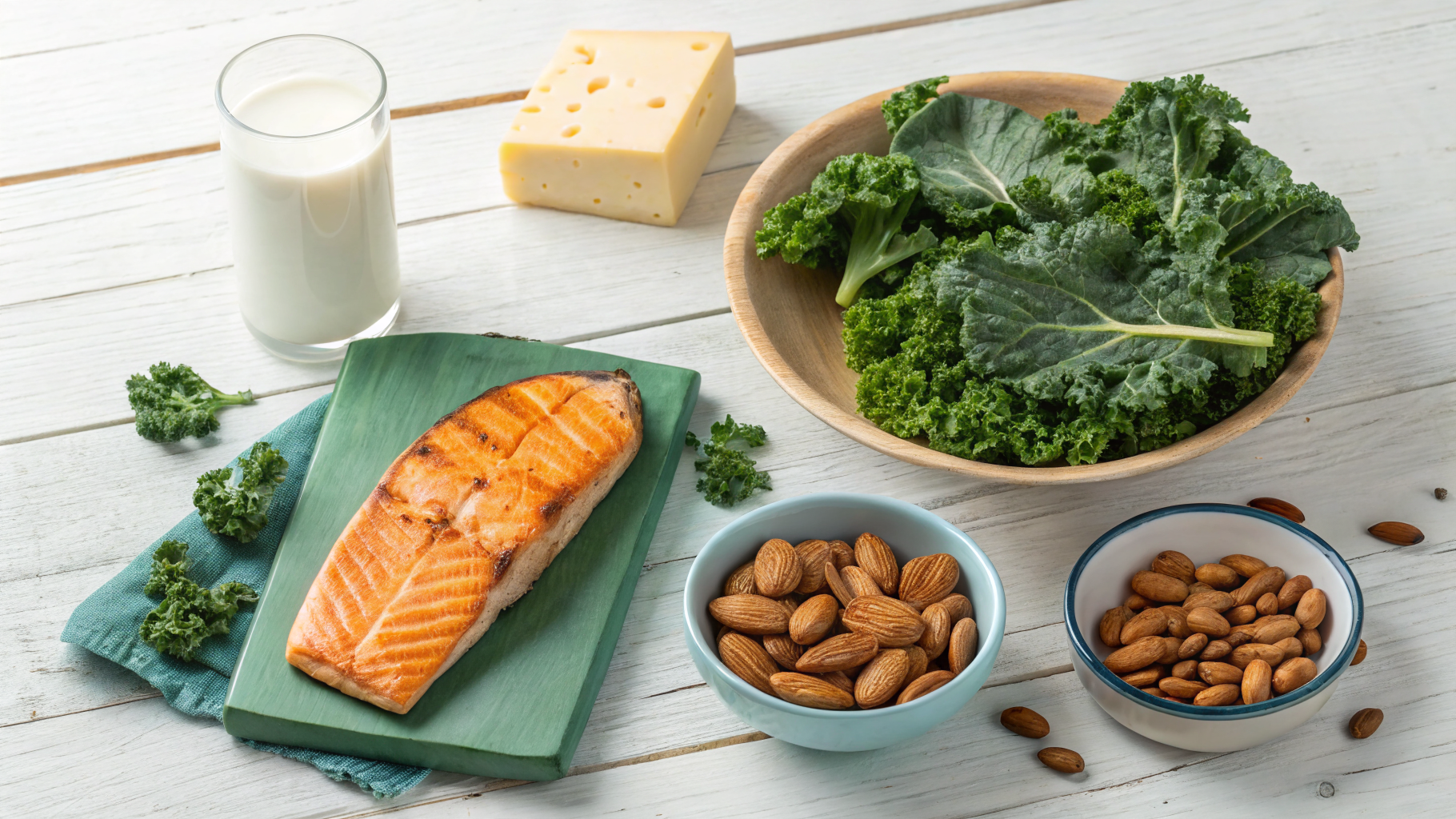
Dairy products are a classic choice for bone health due to their high calcium content. Milk and yogurt are excellent sources, with a single serving providing a substantial amount of the daily recommended intake. Greek yogurt offers the added benefit of being higher in protein. For those who enjoy cheese, harder, aged varieties like Parmesan typically contain more calcium than softer cheeses.
If you avoid dairy, there are many fortified alternatives available. Plant-based milks like soy, almond, or oat milk are often enriched with both calcium and vitamin D to levels comparable to cow's milk. Calcium-set tofu is another powerful plant-based option, offering a high concentration of calcium along with protein. Always check the nutrition label to ensure these products are fortified.
Vital Vegetables and Leafy Greens
Many vegetables are packed with bone-supporting nutrients. Dark leafy greens are particularly beneficial. Collard greens, kale, and turnip greens are rich in calcium and also provide vitamin K. One cup of cooked collard greens can make a significant contribution to your daily calcium needs.
Broccoli is another cruciferous vegetable that supplies a decent amount of both calcium and vitamin C, which is necessary for collagen production, a key protein in bone structure. While spinach is also a leafy green rich in calcium, it contains compounds called oxalates that can interfere with calcium absorption. For this reason, it is best to get calcium from a variety of green vegetables.
Protein and Healthy Fats for Bones
Fatty fish are a unique and valuable addition to a bone-strength diet. Salmon and sardines are among the best natural food sources of vitamin D, which many people find difficult to get enough of. These fish are also packed with omega-3 fatty acids, which may help protect against bone loss. Canned sardines, with their soft, edible bones, provide an extra boost of calcium.
Eggs, specifically the yolks, are another source of vitamin D and protein. For plant-based sources of bone-healthy fats and minerals, nuts and seeds are excellent. Almonds deliver a combination of calcium, magnesium, and protein. Chia seeds and sesame seeds are also incredibly dense in calcium, making them easy to sprinkle onto meals for an added nutritional benefit.
Lifestyle Habits That Complement Your Diet
While nutrition is a cornerstone of bone health, it works best in conjunction with other healthy habits. Weight-bearing exercises, such as walking, jogging, and strength training, are critical. These activities put stress on your bones, which stimulates them to grow stronger and denser. The combination of a nutrient-rich diet and regular physical activity provides the most comprehensive support for your skeletal system.
It is also wise to be mindful of habits that can undermine bone health. Excessive alcohol consumption and smoking have both been shown to contribute to bone loss. Limiting these can help preserve your bone density. By taking a holistic approach that includes diet, exercise, and healthy lifestyle choices, you can effectively support your bones for years to come.