10 Best Dog Breeds for Apartment Living
Choosing to bring a dog into an apartment requires careful consideration. While you might not have a sprawling backyard, many dog breeds can thrive in a smaller living space with the right care, exercise, and attention. The key is to look beyond size and consider factors like energy level, temperament, and how vocal the breed tends to be. With proper research, you can find the perfect canine companion to share your city home.
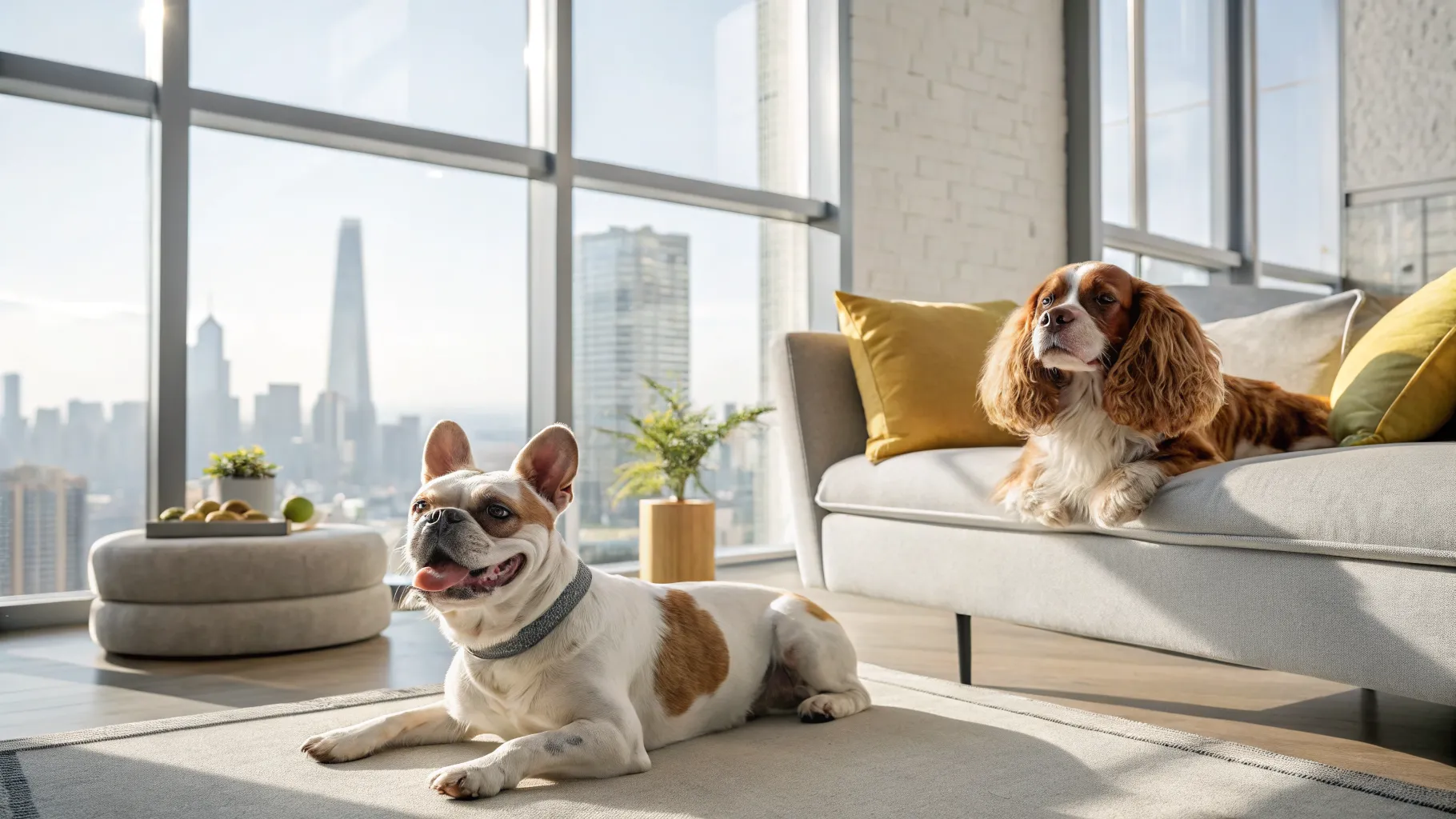
What Makes a Dog a Good Fit for Apartments?
The ideal apartment dog is more than just small. The most crucial traits are a low to moderate energy level, a quiet disposition, and an adaptable nature. A dog that is content with daily walks and indoor playtime is often a better fit than a high-strung breed that needs constant, vigorous exercise. Some small breeds are surprisingly energetic and vocal, making them less suitable for close quarters than some larger, more placid dogs.
Trainability and sociability are also very important. An apartment dog will frequently encounter other people and pets in hallways, elevators, and on walks. A dog that is friendly or neutral towards strangers and can be easily trained to walk politely on a leash will make life much more pleasant for everyone. Breeds that form strong bonds with their owners and are happy to be close by often adjust well to not having a large yard to roam.
Top 10 Breeds Suited for Smaller Homes
While any dog's personality can vary, certain breeds have characteristics that generally make them excellent apartment companions. Their needs for exercise, grooming, and social interaction align well with the lifestyle of many apartment dwellers. Here are ten popular breeds known for thriving in smaller living spaces:
- French Bulldog
- Cavalier King Charles Spaniel
- Bichon Frise
- Greyhound
- Pug
- Shih Tzu
- Maltese
- Basset Hound
- Boston Terrier
- Havanese
The Importance of Energy Level Over Size
One of the biggest myths about apartment dogs is that they must be tiny. While smaller dogs are a popular choice, energy level is a far more accurate indicator of a good fit. For example, the Greyhound is a large dog, but it is famously known as a 'couch potato.' These dogs are sprinters, not marathon runners, and are often perfectly happy with a daily walk followed by a long nap on a comfortable sofa.
In contrast, some small terriers were bred for hunting and have boundless energy. A dog like this can become frustrated and destructive in an apartment if its significant exercise needs are not met. Prospective owners should honestly assess their own activity level and choose a breed whose energy requirements they can realistically meet every day, regardless of the dog's physical size.
Managing Barking and Noise Levels
In a building with shared walls, a dog's tendency to bark is a major consideration. Constant barking can lead to unhappy neighbors and a stressful living situation. Some breeds are naturally more prone to being 'watchdogs' and will bark at every sound, while others are more reserved and quiet. Researching a breed's vocal tendencies is a critical step.
Breeds like the Cavalier King Charles Spaniel and the French Bulldog are not known for being excessive barkers. Regardless of the breed, however, proper training and socialization are key. Ensuring your dog gets enough physical exercise and mental stimulation can also prevent boredom, which is a common cause of nuisance barking.
Exercise and Enrichment in an Urban Environment
Living without a yard simply means you need to be more intentional about providing exercise. Daily walks are a necessity for potty breaks and are also a great opportunity for your dog to experience new sights and smells. The length and intensity of the walks should be tailored to your dog's specific needs based on its age, health, and breed.
Beyond walks, mental enrichment is vital for an apartment dog's well being. Puzzle feeders, treat-dispensing toys, and short, fun training sessions can work a dog's brain and tire it out just as effectively as physical exercise. Regular trips to a local dog park, if your dog enjoys it, can also provide a great outlet for running and socializing in a safe, controlled environment.
Preparing Your Apartment for a Canine Companion
Before bringing your new friend home, it's wise to 'dog-proof' your apartment. This involves securing electrical cords, moving potentially toxic houseplants out of reach, and ensuring cleaning supplies are safely stored away. Creating a designated 'den' for your dog with a comfortable bed and some favorite toys can help it feel secure and have a space of its own.
Establishing a consistent routine from day one is also crucial, especially for house training. Potty breaks will require trips outside, so plan a schedule that works for both you and your dog. Be a considerate neighbor by always cleaning up after your pet in common areas and on city streets. With a little preparation, you and your dog can live happily and harmoniously in your apartment.